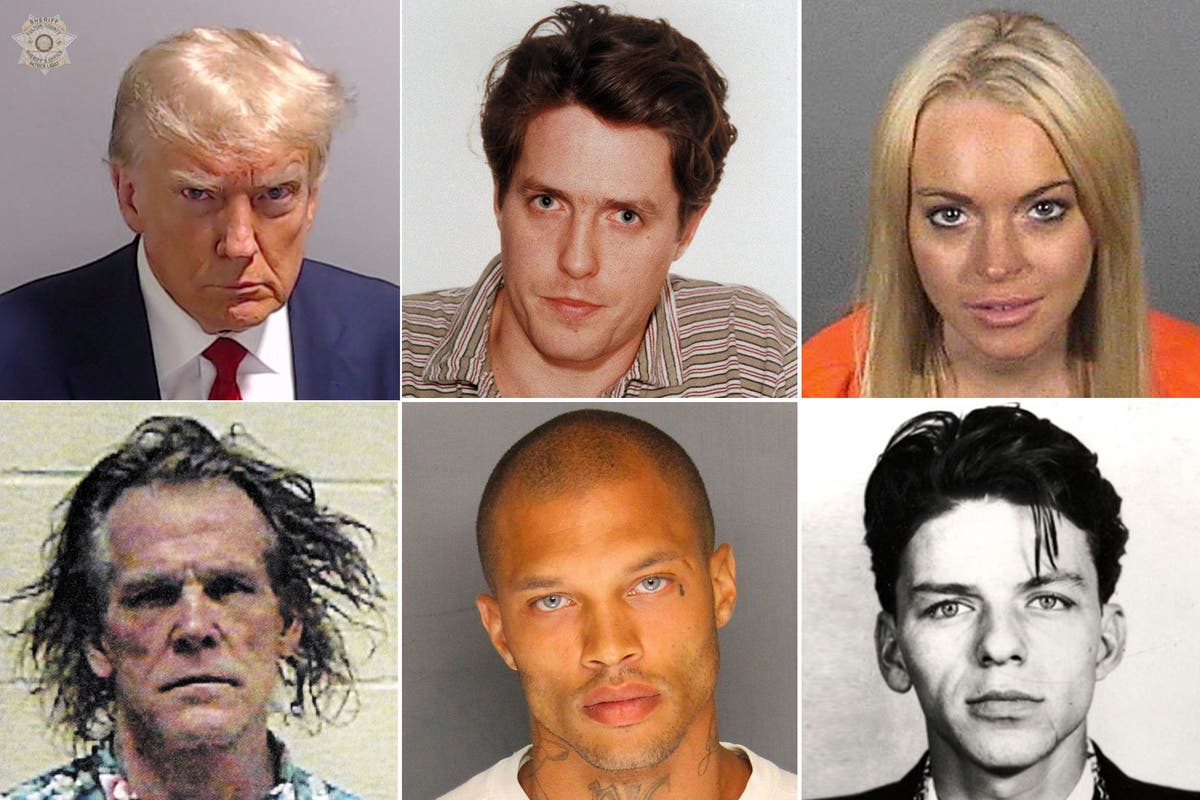
When a star steps in front of a booking camera, the resulting photograph often lives on long after the court dates and fines are forgotten. Famous arrest records strip away Hollywood glamour, exposing raw human moments that captivate the public imagination. From classic rock legends caught with illicit substances to modern actors facing bizarre legal trouble, booking photos have become a staple of pop culture history. Examining these historic records reveals the stark reality behind tabloid headlines and shows how public perception shifts when icons face the justice system.
The Evolution of the Celebrity Booking Photograph
Law enforcement agencies began capturing booking images in the late nineteenth century to track repeat offenders, but the practice transformed into a cultural phenomenon with the rise of modern media. When early film and music stars encountered the law, newspapers scrambled to print grain-heavy portraits that contrasted sharply with polished studio publicity shots. This visual friction created an insatiable public appetite for scandal. Over decades, the distribution channel shifted from morning newspapers to internet archives, turning historic booking records into permanent digital artifacts.
Understanding why certain booking photos resonate requires looking at the nature of the alleged offense and the public persona of the individual involved. When a wholesome icon or a revered musician faces charges, the dissonance between expectation and reality creates a lasting impression. Analyzing these cases offers a clear window into how society treats celebrity missteps across different eras.
Classic Rock and Roll Run-Ins
The intersection of counterculture movements and law enforcement produced some of the most widely discussed booking photos of the twentieth century. Musicians in the nineteen-seventies often collided with local authorities over substance possession charges, turning routine police stops into legendary cultural moments.
- David Bowie (1976): Following a concert performance in Rochester, New York, the iconic musician was taken into custody alongside fellow artist Iggy Pop. Police recovered cannabis from their hotel room, leading to a brief stay in holding before bail was posted. The resulting portrait captured Bowie with a calm, almost detached expression that later became a piece of rock memorabilia.
- Mick Jagger (1967): British authorities raided a Sussex estate owned by Keith Richards, resulting in narcotics charges for members of the Rolling Stones. Jagger's booking image reflected the intense media scrutiny surrounding the British invasion and drug laws of the era.
These early music industry incidents established a template where legal trouble occasionally fueled, rather than destroyed, an artist's rebellious brand identity. However, not all encounters with law enforcement fit the romanticized rock-and-roll narrative.
Unconventional Charges and Bizarre Circumstances
Some of the most striking booking records stem from eccentric behavior or bizarre misunderstandings that catch the public entirely off guard. These events often highlight the strange realities of living under constant public observation.
- Matthew McConaughey (1999): Austin police responded to a noise complaint at a residence and discovered the actor playing bongo drums inside his home while unclothed. He faced charges for marijuana possession and resisting arrest. The resulting narrative leaned heavily into absurdity, and the charges were subsequently dropped, leaving behind a bizarre piece of Hollywood folklore.
- Frank Sinatra (1938): Long before he became a legendary crooner, a young Sinatra was booked in New Jersey under historical statutes related to courtship and marital promises. The charges were eventually dismissed, but the vintage document remains a fascinating glimpse into a completely different legal era.
Modern Scandals and Digital Permanence
In the twenty-first century, digital media ensures that a booking photo spreads globally within minutes. High-profile DUI cases, probation violations, and sudden outbursts dominate the news cycle, altering careers in real time.
- Robert Downey Jr. (後期 1990s/2000): Multiple legal run-ins and probation violations resulted in several widely circulated booking photos during a difficult period in the actor's life. These images stand in stark contrast to his later career resurgence, serving as a reminder of his well-documented personal battles and recovery.
- Justin Bieber (2014): A late-night incident in Miami Beach led to a high-profile arrest on suspicion of driving under the influence and resisting arrest. The widely publicized booking photo captured a smiling expression that baffled commentators and dominated global entertainment headlines for weeks.
Frequently Asked Questions
Are celebrity booking photos part of the public record?
Yes. In most jurisdictions, arrest records and booking photographs are public documents accessible under freedom of information laws, though regulations regarding commercial use vary significantly by state and country.
Do booking photos always lead to criminal convictions?
No. A booking photo is captured immediately following an arrest before any trial or plea agreement occurs. Many individuals featured in famous booking photos were ultimately acquitted, had charges dropped, or completed diversion programs without a formal conviction.
Why do certain booking images become viral memes?
When an individual maintains a composed expression or a striking appearance despite the stressful circumstances, the image often disconnects from the legal reality. This contrast prompts internet users to share and remix the visual content across social media platforms.
How has digital media changed the impact of an arrest?
Historically, newspaper coverage faded from archives over time. Today, search engines and digital databases ensure that an arrest record remains easily accessible indefinitely, creating long-term reputation management challenges for public figures.



