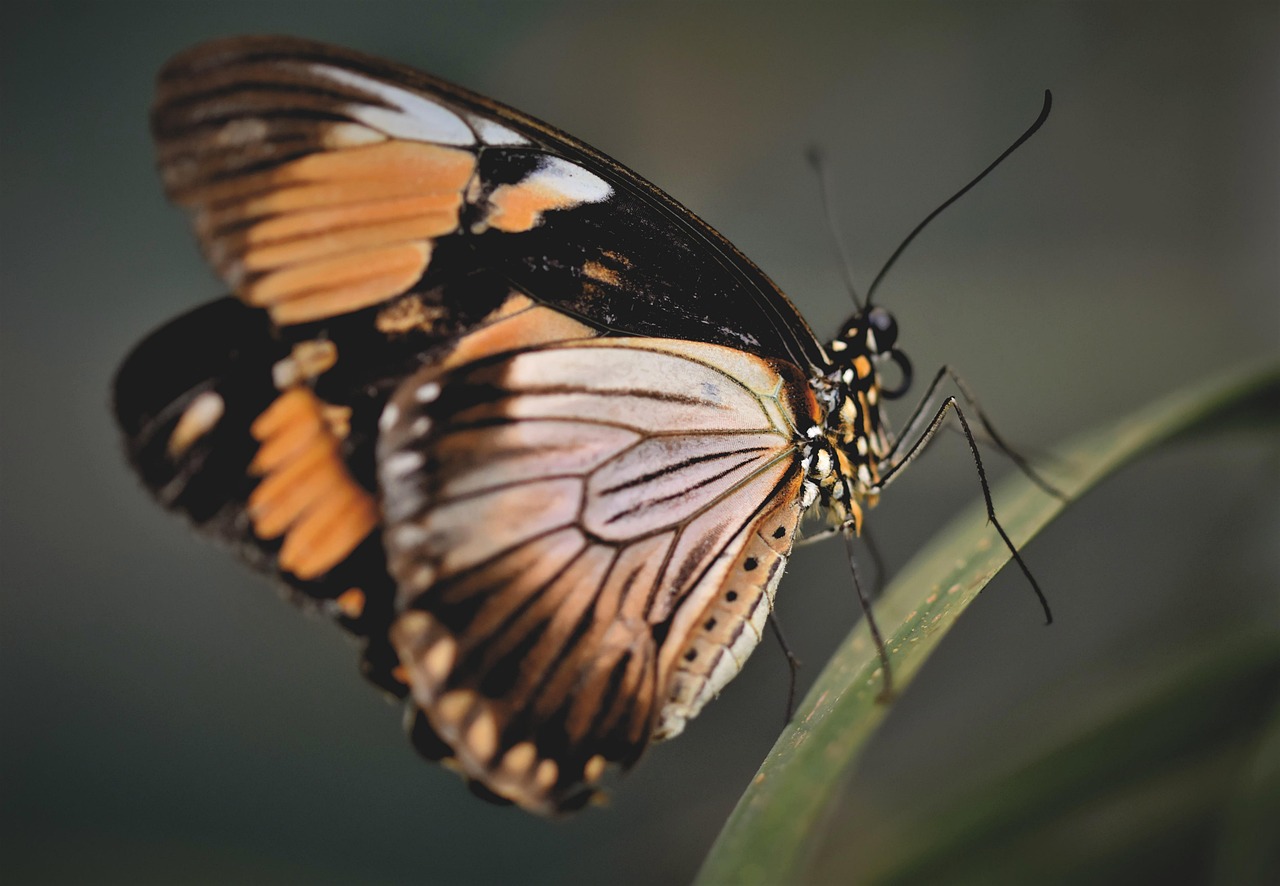
Shinobu Kocho redefines what it means to be a powerhouse in Demon Slayer: Kimetsu no Yaiba. Lacking the raw muscle needed to decapitate a demon, the Insect Hashira transforms her physical limitations into a lethal advantage through pharmacology and piercing combat. Beyond her butterfly haori and cheerful smile, her journey represents a harrowing psychological transformation driven by grief, suppressed rage, and meticulous self-sacrifice.
Understanding Shinobu requires looking past her polite exterior to examine the deliberate construction of her persona. Her narrative arc explores how trauma forces a person to adopt a mask, how intellectual brilliance can outpace brute strength, and how a quiet vow can shape an entire lifetime of calculated vengeance.
The Roots of Rage: From Tragedy to Masked Serenity
Shinobu’s early life wasn't defined by quiet compliance. Growing up in a loving household alongside her older sister Kanae, she possessed a quick temper and an open expression of her emotions. When a demon slaughtered their parents, that fierce anger was born. Rescued alongside Kanae by Gyomei Himejima, both sisters chose to pick up the blade and join the Demon Slayer Corps.
The critical turning point of Shinobu's identity occurs after Kanae is murdered by Upper Rank Two, Doma. Kanae possessed a gentle dream of humans and demons coexisting peacefully, and she asked Shinobu to live a normal, happy life. Shinobu rejects the peaceful path entirely. Instead, she adopts her sister's outward gentleness and trademark smile as an architectural homage, while allowing a freezing, bottomless fury to consume her inner world.
- The Duality: Her permanent smile serves as a psychological shield, tricking both allies and enemies while keeping her own grief tightly bound.
- The Olfactory Tell: Tanjiro Kamado, with his superhuman sense of smell, notes early on that Shinobu carries a perpetual scent of intense anger beneath her pleasant facade.
- The Sisterly Legacy: She takes in Kanao Tsuyuri, acting as an adoptive older sister and mentor while quietly preparing Kanao to finish the war she knows she might not survive.
Redefining Combat: Pharmacology Over Muscle
In the upper echelons of the Demon Slayer Corps, physical strength is typically the metric of survival. Hashira like Tengen Uzui or Sanemi Shinazugawa rely on sheer muscular force and heavy weaponry to overpower opponents. Shinobu's physical frame is petite, and she lacks the bone density and muscle mass required to slice through a demon's neck.
Rather than accepting defeat, she undergoes a literal metamorphosis of her combat style, pivoting entirely toward biochemistry.
Insect Breathing and Wisteria Poisons
Shinobu develops Insect Breathing (Mushi no kokyū), a derivative style optimized for agility, multi-strike precision, and rapid piercing attacks. Her standard-issue Nichirin Blade is modified into a thin, needle-like rapier that cannot cut, but can inject customized toxins at high velocity.
- Pharmaceutical Mastery: She designs lethal, fast-acting poisons synthesized from wisteria flowers, a plant toxic to demons.
- Medical Infrastructure: As the head of the Butterfly Mansion, she manages medical recovery for wounded slayers and researches antidotes for demonic venoms.
- Speed as a Weapon: To compensate for her lack of heavy striking power, she trains her body to achieve blinding movement speeds, allowing her to land dozens of microscopic strikes before a demon can react.
The Ultimate Sacrifice in the Infinity Castle
Shinobu's entire arc converges during her fateful confrontation with Doma inside the Infinity Castle. Knowing she cannot overpower the Upper Rank through conventional means, she executes a meticulous, long-term strategy built entirely around self-sacrifice.
For over a year, Shinobu intentionally ingests massive, sublethal doses of concentrated wisteria poison, saturating every tissue and organ in her body. When Doma corners and absorbs her, he expects an ordinary human meal. Instead, he consumes a walking pharmaceutical weapon.
- The Internal Collapse: The accumulated wisteria dosage breaks down Doma's cellular structure, melting his body from the inside out.
- Passing the Torch: Before losing consciousness, Shinobu uses sign language to communicate Doma's blood demon art mechanics to Kanao, ensuring her successor can exploit the opening.
- The Vengeance Realized: Her death isn't a tragic accident; it's a cold, calculated execution from beyond the grave that paves the way for Kanao and Inosuke Hashibira to claim victory.
Common Misconceptions About Shinobu Kocho
Viewers often misinterpret Shinobu's complex morality, leading to frequent errors in character analysis.
- She isn't truly forgiving: While she initially floats the idea of humans and demons getting along during the Rehabilitation Training arc, this is largely conversational bait or a reflection of Kanae's ideal. Shinobu's personal worldview is uncompromisingly hostile toward monsters.
- She isn't physically weak in agility: Confusing a lack of upper-body strength with overall weakness is a mistake. Shinobu is consistently ranked among the fastest characters in the series, capable of blitzing lower-tier demons effortlessly.
- Her smile isn't fake happiness: It is an intentional monument to grief. She smiles because her sister loved it, weaponizing her own sorrow into discipline.
Frequently Asked Questions
Why doesn't Shinobu Kocho cut off demon heads?
Shinobu lacks the physical strength and grip power required to decapitate a demon. Instead, she invented a specialized thrusting sword style to inject fatal wisteria poisons directly into her targets.
How did Shinobu defeat Upper Rank Two?
She didn't defeat Doma through a direct sword fight. By ingesting wisteria poison over a long period, she turned her own body into a trap. When Doma absorbed her, the poison paralyzed and degraded him, allowing Kanao and Inosuke to finish him off.
Is Shinobu the strongest Hashira?
No, in terms of raw physical combat or destructive output, she ranks below powerhouses like Gyomei Himejima or Sanemi Shinazugawa. However, her unique scientific intellect, medical expertise, and tactical lethality make her one of the most effective and indispensable members of the Corps.
What is the meaning behind the butterfly motif?
The butterfly motif symbolizes metamorphosis. Just as a caterpillar undergoes a complete physical restructuring, Shinobu transforms her grief, trauma, and physical limits into a deadly, specialized fighting style. It also mirrors real monarch butterflies, which store toxins from plants to deter predators.



