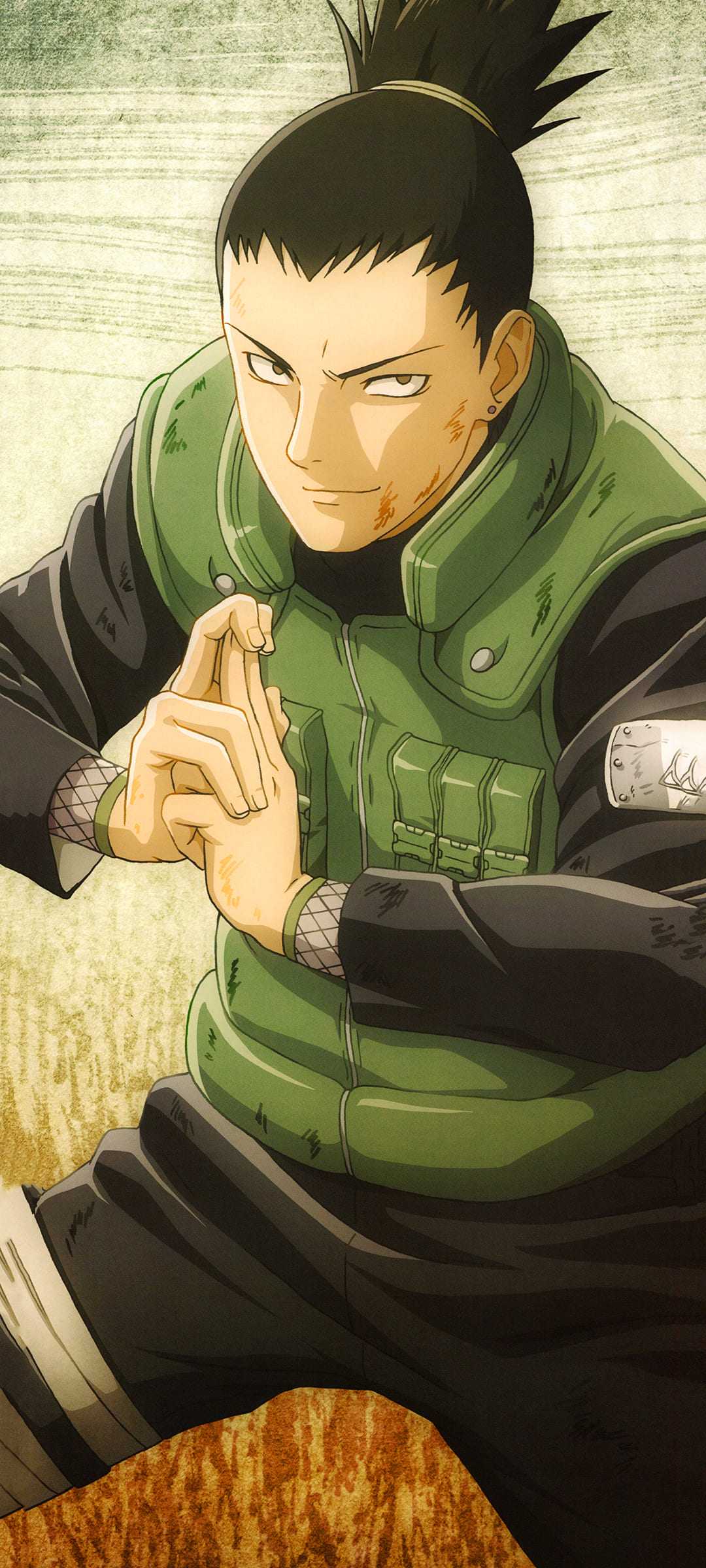
When fans look at Konohagakure’s leadership history, they usually think of raw power, colossal chakra reserves, and legendary bloodline traits. From Hashirama Senju to Naruto Uzumaki, the title of Hokage has traditionally belonged to dynastic powerhouses who led from the front lines with overwhelming force. That paradigm shifted dramatically when Shikamaru Nara stepped up as the Eighth Hokage in the Boruto era. He doesn't possess divine ocular powers or tailed beast bombs. Instead, Shikamaru rules with the deadliest weapon in the ninja world: an IQ over 200 and a tactical mindset that has repeatedly saved the Leaf Village from total destruction.
Shikamaru's rise to the Hokage’s office represents a fundamental evolution in how Konoha protects its people. While Naruto inspired the village through emotional warmth and sheer optimism, Shikamaru stabilizes it through cold logic, institutional preparedness, and ruthless pragmatism. His tenure proves that in an era of Otsutsuki gods and world-ending threats, a quiet strategist can change a nation's fate far more effectively than another brawler. Let's examine how his strategic genius reshaped Konoha's political and military landscape.
The Evolution from Lazy Genin to Master Strategist
Shikamaru didn't start his ninja career as an ambitious political climber. In the original Naruto series, he famously complained that everything was a drag, preferring to watch clouds and play shogi in peace. Yet, tragedy forced him to grow up faster than almost anyone else in his generation. The death of his mentor, Asuma Sarutobi, shattered his apathetic worldview and forced him to confront the cruel realities of the shinobi world.
When he avenged Asuma by outsmarting Hidan of the Akatsuki, it wasn't through brute strength. He won by exploiting his opponent's arrogance, carefully laying out a multi-layered trap using his signature Shadow Possession Jutsu and a lighter. That battle served as the turning point of his career.
- The Asuma Turning Point: Transforming personal grief into tactical discipline.
- The Allied Shinobi Forces: Serving as the de facto field commander alongside his father, Shikaku Nara, during the Fourth Great Ninja War.
- The Transition to Advisor: Spending years as Naruto's right hand, running the daily administrative machinery of the village while Naruto focused on diplomacy and defense.
By the time he assumed the mantle of Eighth Hokage, Shikamaru had already been running Konoha's logistical and security apparatus behind the scenes for years. He didn't seek power for prestige; he accepted the burden because no one else possessed the analytical depth required to navigate a post-war geopolitical crisis.
Tactical Brilliance on the Battlefield
In a world populated by characters who can level mountains, Shikamaru's combat philosophy centers on resource efficiency and psychological warfare. He understands that a smart shinobi wins before the first punch is thrown. His shadow techniques are physically limited compared to massive ninjutsu, so he compensates by weaponizing his environment and predicting enemy movements five steps ahead.
During the Fourth Great Ninja War, when the alliance was paralyzed by grief and confusion after heavy losses, Shikamaru stepped into the command tent. He synthesized intelligence from across multiple battlefields, coordinated unit placements, and kept morale from collapsing entirely.
When facing overwhelming odds, Shikamaru relies on core tactical principles:
- Information Gathering First: Never engage an unknown enemy without mapping their capabilities and limitations.
- Terrain Utilization: Turn trees, rivers, and even the opponent's own shadows into fatal constraints.
- Psychological Manipulation: Feed enemies false confidence to draw them precisely where you want them.
- Minimal Casualties: Achieve victory with the fewest possible losses by ending fights efficiently.
These traits made him indispensable to both Kakashi Hatake and Naruto Uzumaki. While they provided the political face and ultimate deterrence, Shikamaru provided the structural blueprint that kept the village functioning smoothly.
Administrative Realism and Post-War Governance
Running a hidden village in peace times requires an entirely different skill set than fighting wars, and this is where Shikamaru truly outshines his predecessors. Historical Hokage often left administrative duties to deputies while focusing on combat readiness. Shikamaru treats governance like a massive, high-stakes game of shogi.
Under his guidance, Konoha modernized its infrastructure, integrating scientific ninja tools cautiously while tightening internal security against Otsutsuki remnants and rogue elements. He doesn't rely on blind trust. He establishes redundancy systems, surveillance networks, and strict protocols to ensure the village isn't caught off guard by sudden crises.
- Security Over Sentiments: Willing to make unpopular, cold-blooded administrative decisions for the greater survival of the populace.
- Economic Integration: Strengthening alliances with neighboring countries through trade agreements and shared intelligence networks.
- Shinobi Academy Reform: Updating ninja training curricula to emphasize critical thinking, threat assessment, and survival logistics over simple combat drills.
Critics within the village sometimes mistake his cold calculus for lack of empathy. In reality, his emotional detachment is a deliberate shield. He bears the weight of difficult choices alone so that everyday shinobi don't have to carry that psychological burden.
Overcoming Limitations and Vulnerabilities
Shikamaru is far from an infallible deity. His reliance on intellect comes with distinct physical and mental vulnerabilities that make his journey as Hokage compelling. Unlike Naruto or Sasuke, he has a finite chakra pool and cannot afford prolonged skirmishes or massive stamina drains.
- Physical Strain: Overusing shadow manipulation causes severe mental fatigue and muscle exhaustion, leaving him defenseless if a battle drags on.
- The Burden of Isolation: Because he operates on a different intellectual plane, he often has to make lonely decisions without peers who can fully comprehend his strategic calculus.
- The Threat of Over-Calculation: When confronted with reality-warping entities like Code or Eida—whose powers bypass traditional logic—Shikamaru's standard predictive models have occasionally fallen short, forcing him to adapt on the fly.
Acknowledging these limits has only made him a better leader. Instead of charging into battle alone, he surrounds himself with capable specialists like Sai, Ino, and secondary support units, turning his individual weakness into a collective strength.
Frequently Asked Questions
Why was Shikamaru chosen as Hokage instead of other candidates?
Shikamaru was chosen because he was already running Konoha's daily administration as Naruto's primary advisor. In times of crisis—especially following Naruto's apparent disappearance—the village needed immediate stability, institutional knowledge, and a proven strategic mind rather than a raw fighter.
Does Shikamaru possess a powerful kekkei genkai?
No. Shikamaru does not possess a bloodline limit or massive chakra reserves. He belongs to the Nara Clan, utilizing their signature Shadow Imitation Technique, exceptional intellect, and high-level strategy to defeat opponents who outclass him physically.
How does Shikamaru compare to past Hokage in combat?
In terms of raw destructive power, Shikamaru ranks lower than heavyweights like Hashirama, Naruto, or Minato. However, in tactical combat intelligence and battlefield control, he ranks among the absolute elite, often defeating stronger enemies by turning their own strengths against them.
What is Shikamaru's ultimate goal as Hokage?
His primary objective is securing long-term peace and survival for Konohagakure through systemic preparedness, strong international alliances, and advanced intelligence networks, ensuring the village never relies solely on one powerful hero again.



