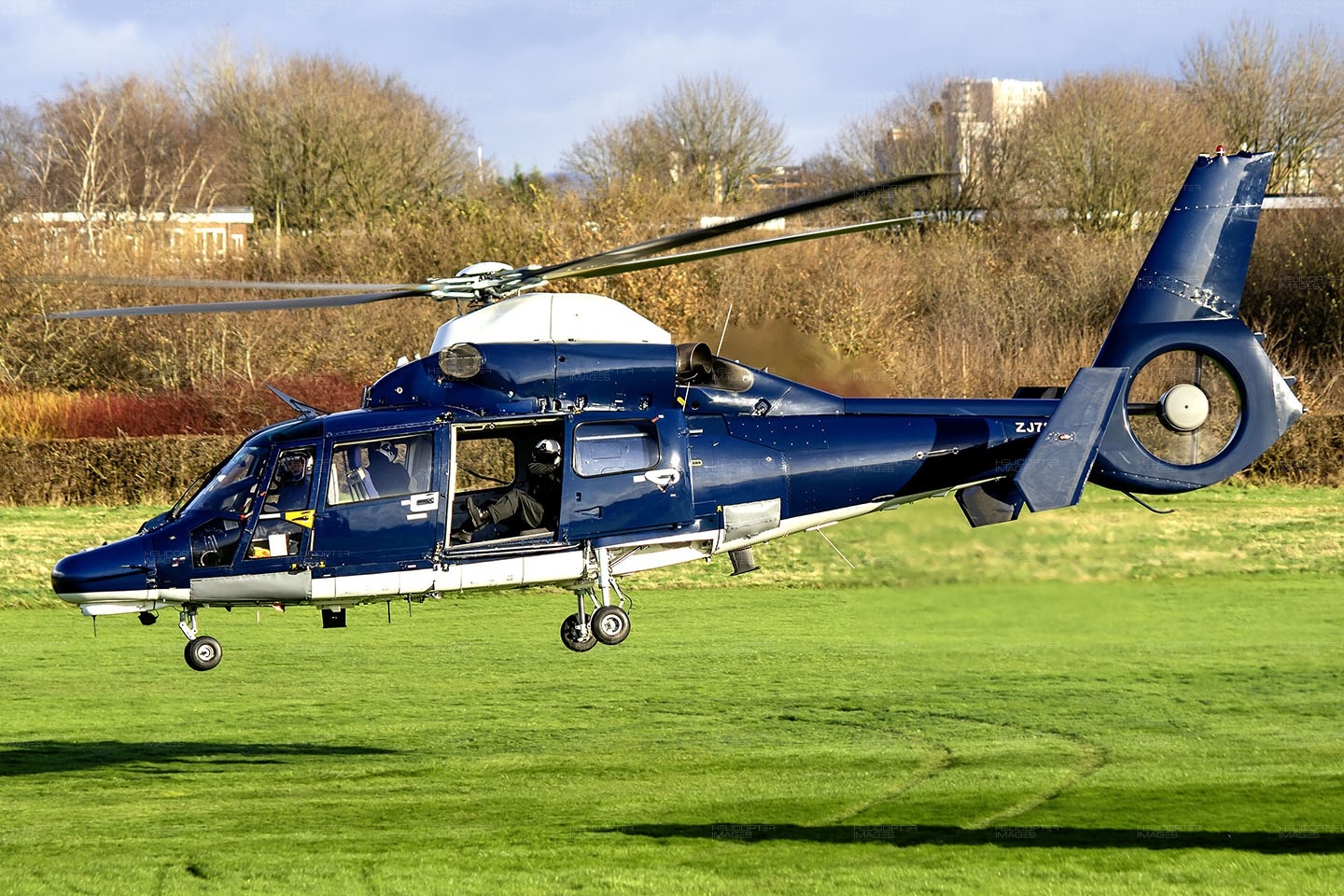
Navigating the San Fernando Valley during peak rush hours means enduring grueling stretches on the 405 or 101 freeways. For executives, frequent flyers, and time-conscious residents in Sherman Oaks, traditional road transit often turns a simple trip into an unpredictable ordeal. Enter the rising wave of urban air mobility and localized helicopter shuttle services operating across the Los Angeles basin. These flights turn a forty-minute crawl over the hill into a seven-minute hop, redefining how people move across Southern California.
While commercial air taxis and chartered copters aren't public buses running every ten minutes, they've evolved into structured, bookable options for point-to-point transit. Understanding how these services work, what they cost, and where they can actually land helps travelers decide if bypassing the interstate gridlock is worth the price tag.
Understanding Urban Air Mobility in Los Angeles
Los Angeles has long relied on helicopters for emergency services and traffic reporting, but private shuttle networks are carving out a distinct niche for commuter travel. Instead of driving down to LAX or across the Sepulveda Pass, passengers board light-to-medium twin-engine helicopters from designated helipads or private landing facilities.
The mechanics of these operations rely on strict scheduling windows, weather clearances by the Federal Aviation Administration, and ground-transfer coordination. Companies operating in this space coordinate with local fixed-base operators (FBOs) to handle passenger check-ins, luggage loading, and tarmac safety.
Unlike massive commercial airlines, these regional shuttles offer remarkable schedule flexibility once booked. However, operations remain strictly bound by visual flight rules (VFR) and instrument flight rules (IFR), meaning heavy Los Angeles marine layers or dense fog can occasionally ground flights for safety.
Key Routes and Time Savings
The primary value proposition of any helicopter shuttle is the stark compression of travel time. When driving from Sherman Oaks to Los Angeles International Airport (LAX) during morning peak hours, a motorist might spend anywhere from forty-five minutes to over two hours depending on accidents and congestion.
A direct air shuttle slashes that commute dramatically:
- Sherman Oaks to LAX: Cuts transit time from up to 90 minutes down to roughly 8 to 10 minutes in the air, plus brief ground handling.
- Sherman Oaks to Downtown Los Angeles: Bypasses the crawl along the 101 freeway, reducing a 45-minute drive to a 6-minute flight.
- Sherman Oaks to Van Nuys Airport (Vny): Connects regional business aviation terminals almost instantly for private jet transfers.
Beyond airport runs, corporate travelers use these hops to reach meetings in Santa Monica, Burbank, or Long Beach without losing half the workday behind the steering wheel.
The Cost Structure and Booking Logistics
Luxury travel comes with a steep price tag, and urban helicopter transit is no exception. Pricing models generally fall into two categories: seat-sharing shared charters and full-aircraft private charters.
- By-the-Seat Charters: Services like Blade allow individual passengers to book a single seat on a scheduled flight, with prices typically ranging from $195 to $400+ per person depending on the route and demand.
- Private Charters: Booking an entire helicopter for a group or custom itinerary ranges from $1,500 to over $3,500 per flight hour, depending on the aircraft model and operator.
Booking requires advance coordination through digital apps or direct concierge services. Passengers must provide accurate body and baggage weights prior to flight. This step is critical for aircraft balance and compliance with weight-and-balance manifests governed by strict aviation guidelines. Baggage is typically restricted to small duffels or briefcases due to cargo compartment limitations in typical executive helicopters like the Airbus H125 or twin-engine models.
Safety Standards and Regulatory Oversight
Aviation safety in the United States is strictly regulated. Helicopter shuttle operators must hold specific commercial air carrier certificates under federal regulations—most commonly Part 135 certification for commuter and on-demand operations.
Pilots flying these routes undergo rigorous recurrent training, simulator checks, and medical evaluations. The aircraft themselves undergo mandatory maintenance checks tracked via digital logs. Before boarding, passengers participate in a brief safety orientation covering emergency exits, seatbelt operations, and safe movement around spinning rotors on the tarmac.
Common Mistakes First-Time Riders Make
Booking your first helicopter shuttle is straightforward, but passengers often run into avoidable snags due to unfamiliarity with aviation protocols.
- Ignoring Weather Delays: Assuming flights operate exactly like scheduled commercial airliners. Marine layers can roll in overnight, pushing departure times back by an hour or two. Always check the forecast and have a backup ground plan.
- Overpacking Luggage: Bringing oversized hardshell suitcases that exceed weight or volume limits. Pack light with soft bags that fit easily into compact helicopter boots.
- Arriving Late: Treating check-in like a standard subway ride. Shuttles operate on tight air traffic control slots; missing your departure window usually means forfeiting the flight.
- Neglecting Ground Transport: Forgetting to arrange a car at the destination helipad. While you skip the highway traffic, you still need a ride from the landing site to your final office or hotel door.
Frequently Asked Questions
Where do helicopter shuttles land in Sherman Oaks?
Most flights utilize nearby general aviation facilities like Van Nuys Airport (VNY) or certified private helipads located throughout the San Fernando Valley. Because municipal zoning restricts urban helipads, direct street-level rooftop landings in residential zones are rare.
How much luggage can I bring on a helicopter shuttle?
Luggage capacity is strictly limited compared to commercial airlines. Passengers are typically allowed one personal item and one carry-on sized soft bag weighing under 25 to 30 pounds.
What happens if bad weather cancels my flight?
If heavy fog, high winds, or severe storms prevent safe flight operations, reputable operators will either reschedule your flight for the next available window or issue a full refund. Always review the operator's specific cancellation policy before booking.
Can I book a helicopter shuttle at the last minute?
While on-demand booking is possible via mobile apps for certain shared routes, availability during peak morning and evening commuter windows fills up fast. Booking at least 24 to 48 hours in advance is strongly recommended.



