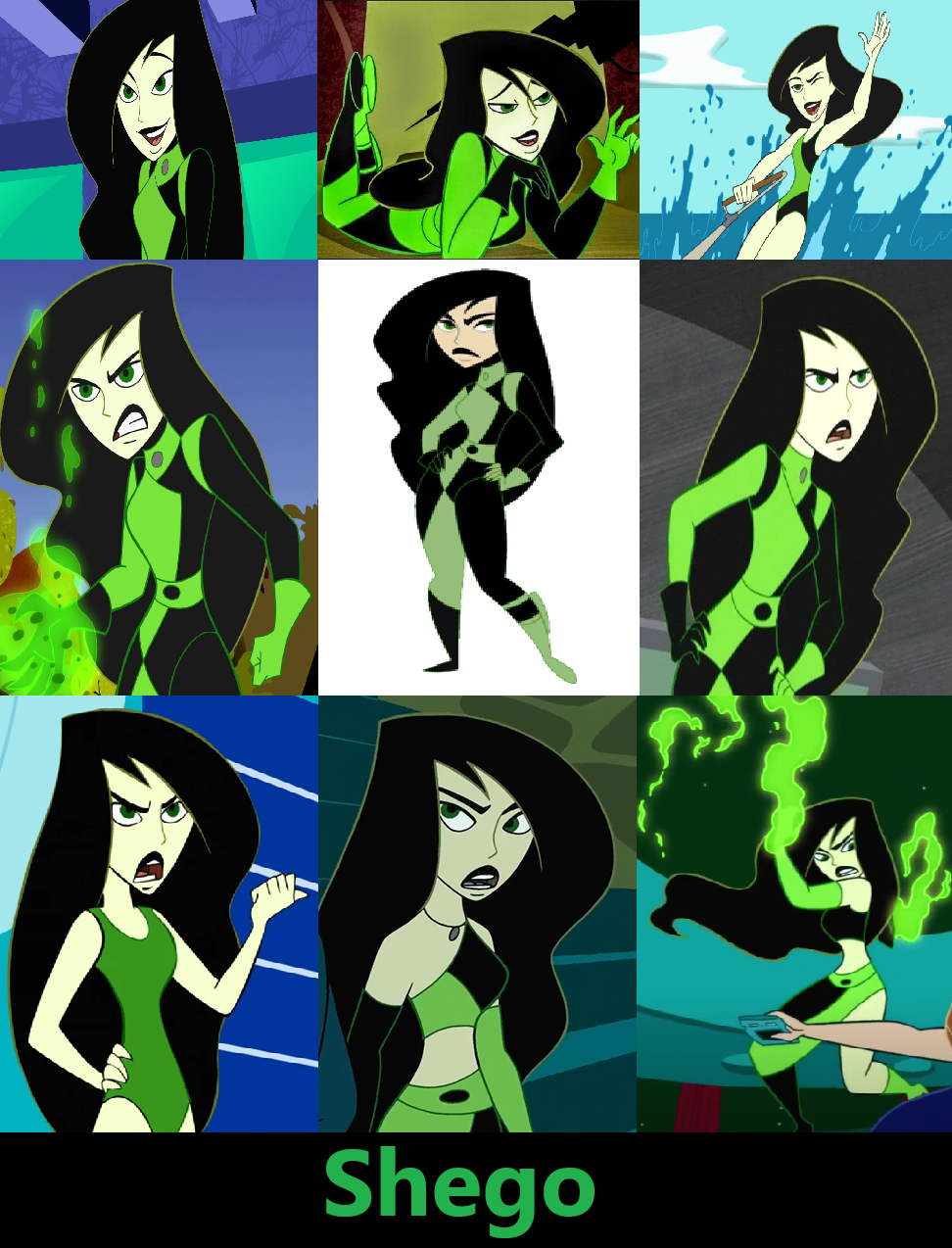
Long before antiheroes dominated prestige television, Disney Channel quietly engineered one of the most compelling antagonists in modern animation. As the sharp-tongued, plasma-wielding mercenary in the 2002 series Kim Possible, Shego subverted every trope in the children's television handbook. She didn't want to conquer the world out of some abstract grand design, nor did she harbor a tragic, melodramatic backstory that begged for immediate audience pity. Instead, she treated villainy like a nine-to-five job, complete with an incompetent boss she openly disrespected, dry sarcasm, and a profound weariness for everyone around her.
Understanding why this green-skinned antagonist remains a cultural touchstone requires looking past the nostalgic aesthetic of black catsuits and glowing plasma hands. Her appeal stems from a potent mixture of burnout, sharp-witted competence, and a psychological profile that resonates just as strongly with adult viewers today as it did with Saturday morning audiences decades ago.
The Origins of Team Go and the Anatomy of Burnout
To understand Shego's cynical worldview, you have to look at her beginnings. Long before she teamed up with Dr. Drakken, she was part of Team Go alongside her four brothers: Hego, Mego, and the Wego twins. Struck by a rainbow comet in their family treehouse, the siblings gained superpowers. While her brothers embraced the bright, shiny mantle of traditional superheroes, Shego carried the operational weight of the team while dealing with their insufferable egos.
This dynamic planted the seeds for her ultimate disillusionment. Her villainy isn't born from an innate desire to cause cosmic harm; it's a reaction to exhausting perfectionism and toxic family dynamics. When she finally snapped, she didn't turn to a life of quiet isolation—she walked away from altruism entirely because she found heroism deeply tedious. This framing makes her transformation one of the most realistic psychological breakages in 2000s animation.
Professional Mercenary Meets Reluctant Henchwoman
One of Shego's defining traits is her pragmatic approach to crime. While Dr. Drakken concocts grandiose, overly complex doomsday schemes involving weather machines or mind-control devices, Shego serves as the muscle who actually executes the plan. Yet, she behaves like an underpaid employee enduring a chronically incompetent manager.
- The Dynamic: She rolls her eyes at Drakken's megalomaniacal monologues.
- The Execution: She handles the physical infiltration, combat, and tactical execution with effortless skill.
- The Boundary: She knows her worth, frequently renegotiating her terms or abandoning failed operations when Drakken crosses the line from eccentric to outright embarrassing.
This dynamic flips the traditional villain-henchman trope on its head. Drakken may be the mastermind on paper, but Shego holds all the actual leverage. She stays because villainy gives her an outlet for her biting misanthropy and a chance to test her physical limits against her arch-rival, Kim Possible.
Competence as a Counter-Narrative
In many action cartoons, the villain loses because of arrogance, poor planning, or sheer clumsiness. Shego rarely suffers from incompetence. When she loses fights against Kim Possible, it's typically due to external interference, Drakken's blunders, or sheer narrative necessity.
Her plasma-generation powers—capable of cutting through steel and emitting explosive force—establish her as a physical match for Kim, who relies on high-tech gear and physical prowess. Their rivalry isn't just about good versus evil; it's a clash between two hyper-competent women on opposite sides of the law. Kim represents an exhausting, relentless optimism and sunny disposition that Shego actively despises. Watching Shego attempt to dismantle Kim's cheerful confidence provides the core emotional friction of the series.
Common Misconceptions About the Character
Fans often project modern villain-redeeming tropes onto Shego, but the text of the show resists easy categorization.
- She is not misunderstood: Viewers occasionally try to frame Shego as a misunderstood hero trapped in a bad job. In reality, she genuinely enjoys the freedom of doing whatever she wants, stealing expensive artifacts, and causing minor chaos.
- She doesn't secretly love Drakken: Their relationship is strictly professional with occasional streaks of genuine camaraderie, devoid of the romantic subtext fans often read into dynamic duos. When she briefly tried being a normal, polite substitute teacher named Miss Go under the influence of a moral-reversion ray, it proved that her natural state is sharp, unapologetic, and fiercely independent.
Frequently Asked Questions
What are Shego's actual superpowers?
Shego possesses enhanced physical strength, agility, and durability, alongside the ability to generate and manipulate concentrated plasma energy from her hands. This energy can be used for glowing punches, explosive blasts, or cutting through solid barriers.
Why is her skin green?
Her unique skin pigmentation is a permanent mutation resulting from the radioactive rainbow comet that struck her and her brothers during their youth.
Does Shego ever permanently reform?
Apart from brief narrative interventions like the "Stop Team Go" episode or psychological manipulation via tech, Shego chooses to remain a villain because it aligns with her cynical worldview and fierce independence.
Who voices Shego?
Shego is voiced by actress Nicole Sullivan, whose distinctive raspy delivery, world-weary snarl, and comedic timing cemented the character's iconic status.



