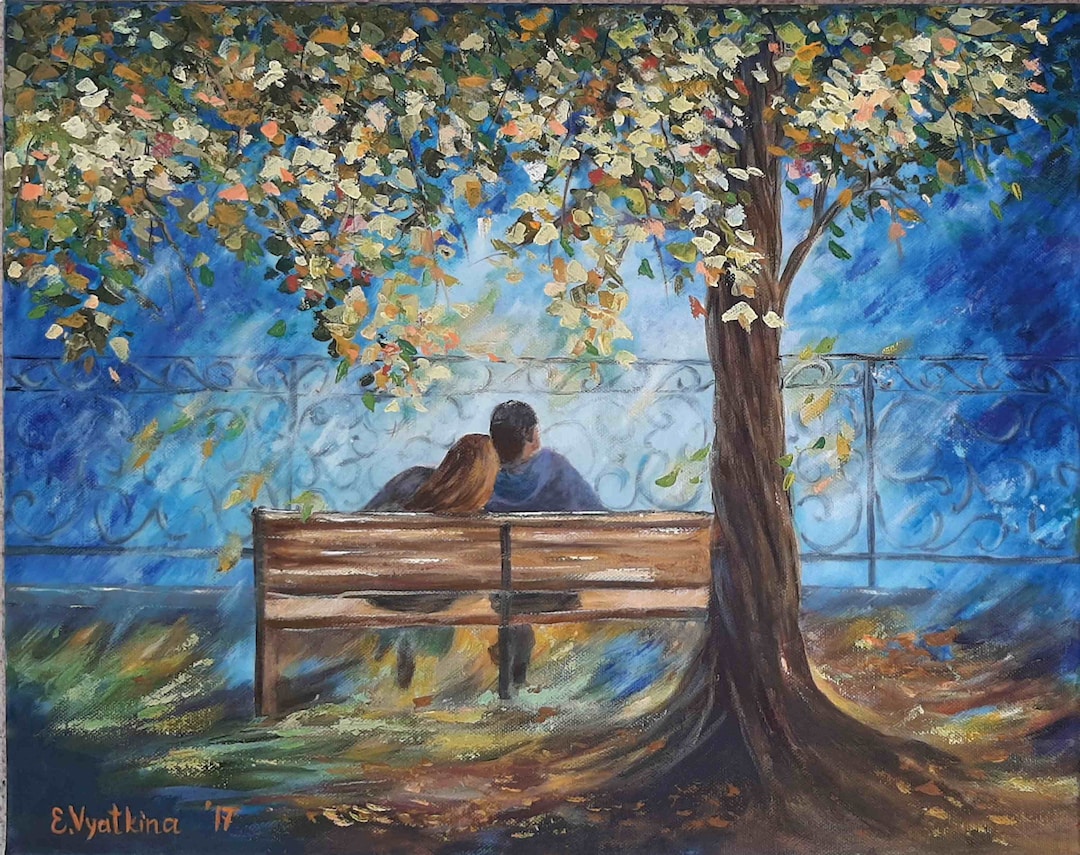
Shauna Redford creates oil paintings that bridge meticulous academic drafting with modern emotional resonance. Her canvases combine traditional chiaroscuro and layered glazing with quiet, introspective contemporary subjects. Instead of leaning into fleeting digital aesthetics, her studio practice proves that historical techniques still offer unmatched depth in modern fine art.
If you're studying how contemporary painters merge heritage skills with fresh storytelling, understanding Redford's methodology reveals a masterclass in intentional craftsmanship. Here's a breakdown of her technique, thematic choices, and impact on modern galleries.
The Technical Foundation: Academic Roots in Modern Oil Painting
Redford's work begins with rigorous classical drafting. Unlike artists who sketch loosely on canvas, she constructs detailed preliminary drawings that map out anatomical accuracy, spatial depth, and perspective before introducing any pigment.
Her paint application relies on historical methods updated for current palettes:
- Layered Underpaintings: She builds form through monochrome or toned underpaintings, establishing tonal values early.
- Translucent Glazes: By applying rich ochres, deep umbers, and delicate ultramarines in thin, overlapping layers, light travels through the paint film rather than just reflecting off the top surface.
- Controlled Brushwork: She shifts between tight, controlled lines for focal points and loose, expressive strokes to suggest movement and atmosphere.
This methodical approach prevents the flatness common in rapid modern works. By respecting how light interacts with translucent layers of oil paint, she achieves a distinct luminous quality.
Thematic Exploration: Echoes of the Everyday
While her techniques belong to historical masters, her subjects remain firmly rooted in modern life. Her recurring series, such as Echoes of the Everyday, recontextualizes ordinary domestic spaces and fleeting human connections.
A quiet kitchen counter at dusk or a solitary figure standing by an apartment window isn't treated as mundane background noise. Instead, Redford uses these settings to examine isolation, patience, and quiet hope. She strips away unnecessary narrative clutter, leaving viewers with stark emotional truths.
When asked about her subject selection in studio notes, she emphasizes that technique is simply a language. Once an artist masters its grammar, they can stretch it to articulate modern human experiences that loud, spectacle-driven art often misses.
Light and Chiaroscuro as Narrative Tools
In Redford's compositions, light operates as a primary storyteller rather than a passive physical property. She channels classical chiaroscuro techniques to heighten psychological tension.
In works like Twilight Threshold, a solitary figure stands backlit by fading dusk. The illumination doesn't just reveal the physical dimensions of the room; it maps out internal emotional states. Warm glows convey fragile comfort, while stark shadow contrasts emphasize introspection. This precise control over light-source placement forces the viewer to pause, look closer, and feel the weight of the silent pause between day and night.
Mentorship and Preservation of Studio Craft
Beyond her gallery presence at venues like the Contemporary Art Institute and regional Pacific Northwest networks, Redford invests heavily in education. She regularly conducts studio workshops focusing on disciplined drafting, color theory, and material permanence.
Her physical atelier serves as a hub for emerging artists who want to step away from purely digital workflows. By teaching students how to stretch their own canvases, mix traditional pigments, and control oil drying times, she preserves critical craft knowledge that modern art schools frequently overlook.
Frequently Asked Questions
What painting medium does Shauna Redford primarily use?
Redford works primarily in oil paints, utilizing traditional methods such as toned underpaintings and translucent glazes to build luminous depth.
What are the main themes in her artwork?
Her work focuses on quiet human moments, domestic introspection, urban solitude, and emotional resonance found within ordinary daily life.
How does her training influence her contemporary style?
Her rigorous academic background in classical drafting and figure study provides structural precision, which she applies to modern, understated subjects.
Where has her artwork been exhibited?
Her work has appeared in prominent regional and contemporary galleries, including exhibitions at the Contemporary Art Institute and the Pacific Northwest Gallery Network.