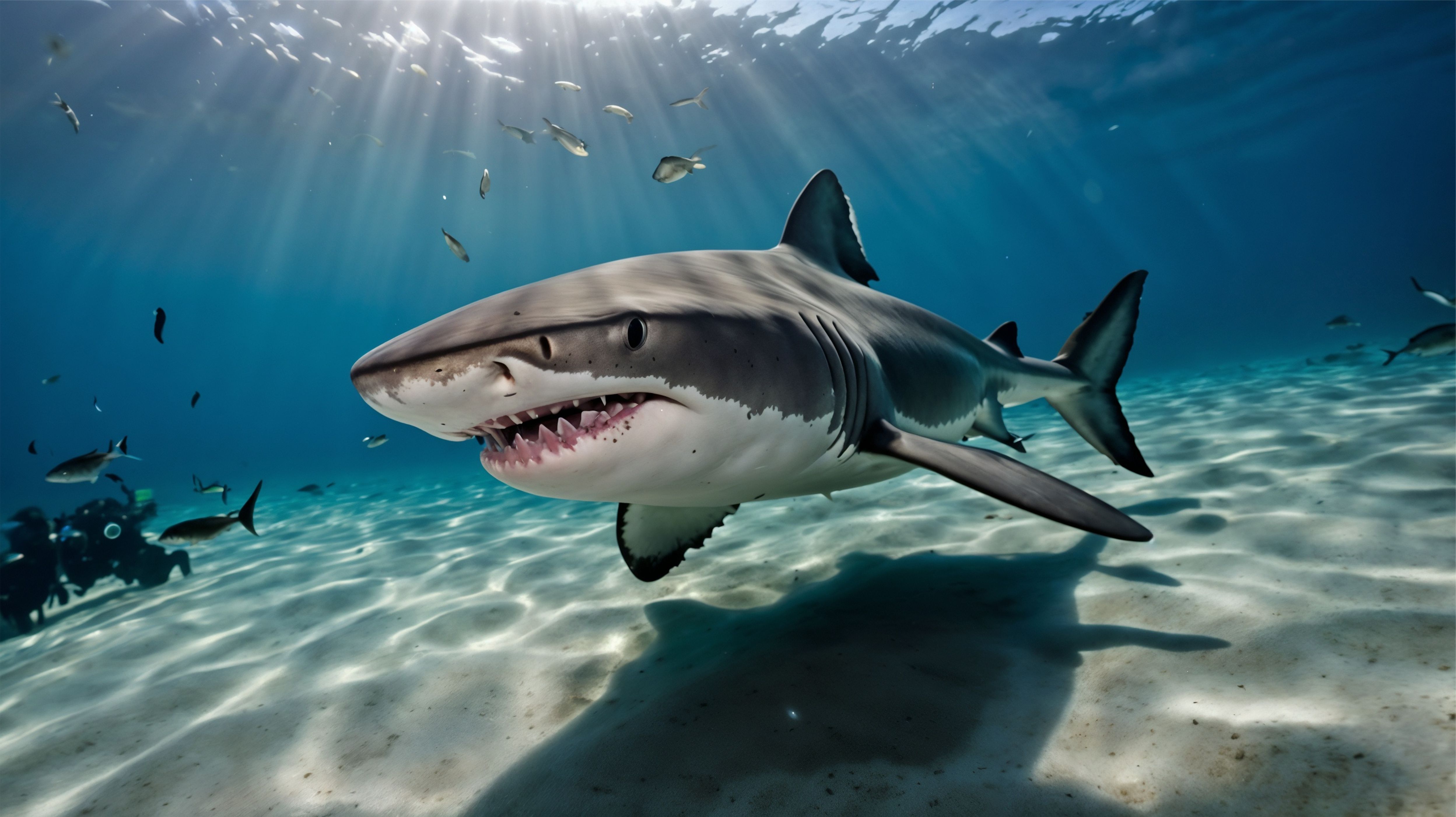
Yes, sharks live in Portuguese coastal waters, but the reality differs sharply from sensational headlines. If you are planning a beach vacation or studying local marine ecosystems, understanding what swims off the coast helps separate panic from ocean science. More than forty species inhabit the Atlantic waters surrounding the mainland, Azores, and Madeira, yet dangerous encounters remain extraordinarily rare.
Most sharks in Portugal prefer deep offshore canyons, pelagic blue water, or cold thermal trenches rather than crowded bathing beaches. Marine biologists track these populations using telemetry, baited remote underwater video systems (BRUVs), and commercial catch data. To grasp the true picture, we have to look past media myths and examine actual species distributions, historical incident rates, and modern conservation frameworks.
Shark Species Diversity in Portuguese Waters
Portugal's unique geographical position where the cold Canary Current meets the warm Gulf Stream creates a highly productive marine environment. This convergence supports dozens of elasmobranch species, ranging from small bottom-dwelling dogfish to massive open-ocean predators.
- Blue Shark (Prionace glauca): This is one of the most common pelagic species encountered off the mainland coast and around the Azores. They feature slender, metallic-blue bodies and long pectoral fins, typically feeding on squid and small schooling fish far from shore.
- Shortfin Mako (Isurus oxyrinchus): Known as the fastest shark in the ocean, makos frequent deep offshore waters. While they possess a formidable appearance, they rarely interact with humans unless provoked during commercial fishing activities.
- Basking Shark (Cetorhinus maximus): As seasonal visitors, these gentle giants can occasionally be spotted near the surface filtering plankton. They pose zero threat to humans and move slowly through coastal waters during spring months.
- Smooth-hounds and Dogfish: Demersal species like the common smooth-hound (Mustelus mustelus) live near the seabed and shallow shelves, feeding on crabs and bottom-dwelling invertebrates.
Addressing the Threat: Are There Shark Attacks in Portugal?
The short answer is no; historical records show a near-total absence of unprovoked, fatal shark attacks along the Portuguese coastline. While beachgoers occasionally panic over dorsal fin sightings—which often turn out to be harmless marine life, sunfish, or rays—the statistical probability of encountering an aggressive shark near a crowded public beach is microscopic. To get more context on this issue, in-depth analysis is available on The New York Times.
Marine scientists attribute this safety record to three primary factors:
- Habitat Segregation: The vast majority of large predatory species inhabit deep oceanic canyons, such as the Lisbon-Setúbal canyon system, miles away from shallow tourist swimming zones.
- Prey Availability: Local shark populations rely on abundant natural prey stocks, including pelagic cephalopods, mackerel, and sardines. Humans do not fit their natural diet profile.
- Low Interaction Rates: Because historic fishing pressures have reduced overall apex predator density near the shoreline, direct overlap between swimmers and large sharks happens very infrequently.
For detailed tracking of global shark incident metrics and standardized definitions, consult the International Shark Attack File maintained by the Florida Museum of Natural History.
Marine Science, Research, and Conservation
Protecting elasmobranch populations in the North Atlantic requires robust regulatory oversight and ongoing field research. Portuguese research institutions, such as MARE (Marine and Environmental Sciences Centre) at the University of Lisbon, actively monitor coastal and deep-sea shark populations.
Current Management Frameworks
Commercial fishing and accidental bycatch pose the most significant threats to local shark species. To combat population declines, strict European Union regulations and international bodies enforce protective measures:
- Zero-Retention Policies: Fishermen must immediately release shortfin makos caught in North Atlantic fisheries, regardless of whether the animal is dead or alive upon retrieval.
- Fins-Naturally-Attached Rule: EU laws strictly ban shark finning, requiring vessels to land sharks with their fins naturally attached to the body to prevent illegal international trade.
- CITES Trade Controls: Highly vulnerable species like the shortfin mako and oceanic whitetip fall under CITES Appendix II protections, which mandate strict export permits based on scientific sustainability findings.
For official updates on regional marine conservation policies and quotas, visit the International Commission for the Conservation of Atlantic Tunas website.
Frequently Asked Questions
Can you see sharks while scuba diving in Portugal?
Yes, but usually only on specialized offshore excursions. Operators in the Azores run regulated pelagic diving trips to view blue sharks and makos under strict safety codes that prohibit feeding or harassing the animals. Mainland scuba diving spots rarely feature shark sightings due to lower visibility and sandy bottoms.
Have great white sharks ever been spotted in Portugal?
Historically and scientifically, great white sharks (Carcharodon carcharias) do inhabit the broader Mediterranean and North Atlantic waters, and rare sightings or historic catches have occurred near the Iberian Peninsula. However, they are transient visitors rather than coastal residents, and verified sightings close to public beaches remain extremely uncommon.
What should you do if you spot a marine fin near the shore?
Do not panic. Most near-shore sightings are dolphins, basking sharks, or large fish. Calmly exit the water and notify a lifeguard on duty. Lifeguards across Portugal follow standardized safety protocols and will temporarily restrict swimming if any potentially hazardous marine wildlife approaches a designated bathing zone.
Are all sharks in Portuguese waters protected?
Not all species hold the same conservation status, but many face heavy pressure from overfishing. Organizations like the International Union for Conservation of Nature classify species individually, ranging from Least Concern to Endangered, prompting ongoing legislative updates to safeguard vulnerable regional food webs.



