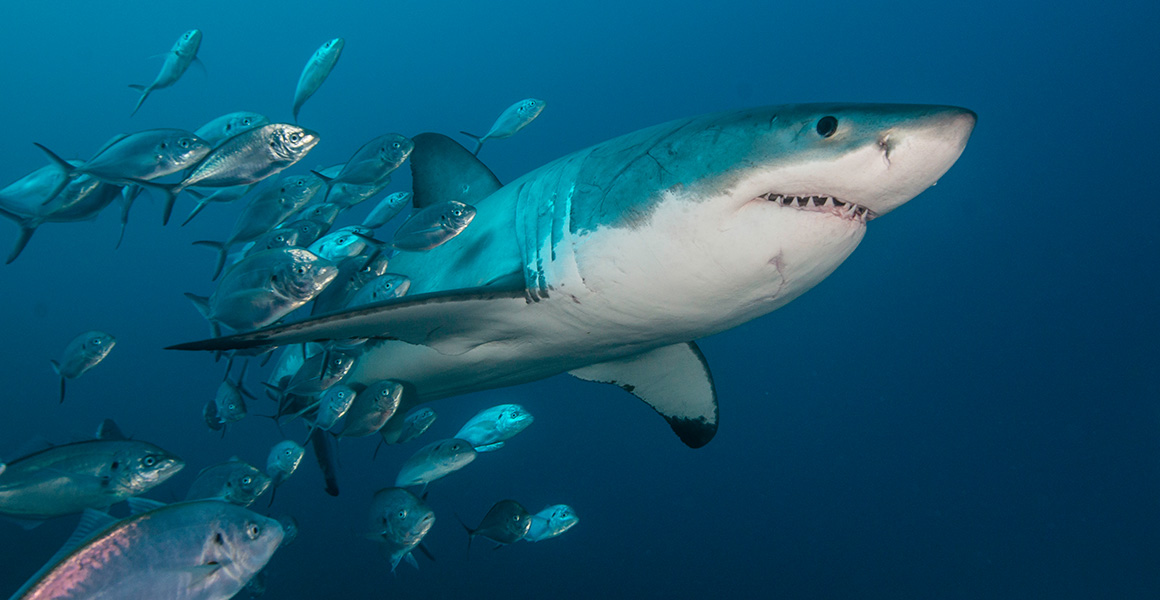
Sharks inhabit the coastal waters surrounding Jamaica, but encounters with beachgoers remain exceedingly rare. Pop culture and sensationalized media often frame the Caribbean as a hotspot for aggressive predators, yet local marine reality tells a completely different story. Most sharks stay far offshore in deep blue water or near outer reef walls, well away from popular tourist swimming spots in Montego Bay, Negril, and Ocho Rios.
Understanding the actual distribution of sharks, the species present, and historical interaction data helps travelers replace irrational fear with practical ocean awareness. Overfishing across parts of the Caribbean has also impacted local shark populations, making sightings less common than they were decades ago. This guide breaks down what you actually need to know before stepping foot into Jamaican waters.
Common Shark Species Found in Jamaican Waters
Several shark species live within the regional ecosystem of the Caribbean Sea, though casual swimmers rarely cross paths with them. Knowing which species reside here helps clarify the actual risk level.
- Nurse Sharks: These bottom-dwellers represent the species you are most likely to encounter while diving or snorkeling. They have flat heads, brownish skin, and spend most of their daylight hours resting quietly under coral ledges or sandy bottoms. They are docile unless directly harassed.
- Caribbean Reef Sharks: Sleek and active, these medium-sized sharks patrol the outer edges of coral drop-offs. They prefer deeper marine environments and rarely approach shallow resort swimming zones.
- Tiger Sharks: Large and opportunistic, tiger sharks do travel through deep offshore Jamaican channels. However, they are solitary, highly nomadic, and rarely spotted by recreational swimmers or snorkelers.
- Bull Sharks: Known for tolerating low-salinity environments, bull sharks occasionally navigate near river mouths or estuaries, particularly following heavy tropical rainfall.
Separating Shark Myth From Marine Reality
Fear often outpaces facts when people plan tropical vacations. Several widespread myths distort how travelers view marine life in Jamaica.
The first major myth claims that resort beaches are crawling with man-eating sharks. In reality, popular tourist zones feature shallow, clear waters backed by barrier reefs that naturally discourage large pelagic species from entering. Commercial hotel zones maintain calm environments where large predatory sharks have no food source or incentive to linger.
Another misconception is that shark attacks happen frequently in Jamaica. Historical records maintained by groups like the Florida Museum of Natural History Shark Research Committee show that unprovoked incidents in Jamaican waters are statistically near zero. The vast majority of historical encounters globally—and locally—involved commercial spearfishers or individuals handling hooked fish, which triggers predatory competition responses.
Practical Water Safety Guidelines for Jamaica
While the statistical risk of a negative shark encounter is microscopic, adopting sensible ocean habits ensures a safe trip. Good practices protect both you and the local marine habitat.
- Avoid River Mouths After Heavy Rains: Murky freshwater runoff washes nutrients into the sea, attracting fish and potentially opportunistic predators like bull sharks. Swim in clear marine areas instead.
- Leave Shiny Jewelry Behind: Reflective rings, watches, or metallic clasps flash in sunlight, mimicking the glint of fish scales to a passing animal.
- Never Swim Alone or at Dusk: Dawn, dusk, and nighttime represent active hunting windows for many marine species. Sticking to daytime hours and swimming in groups keeps you safe.
- Choose Reputable Dive Operators: Certified local guides understand seasonal currents, local marine behavior, and proper reef etiquette. Check reviews and ask about safety briefings before booking excursions.
The Ecological Importance of Sharks in the Caribbean
Sharks act as apex and mesopredators that maintain the health of coral reef systems. By culling sick or weakened fish, they prevent overgrazing by herbivores and keep marine food webs balanced. According to the Pew Charitable Trusts Marine Protection Program, healthy shark populations correlate directly with resilient marine habitats capable of withstanding climate stress.
Unfortunately, global overfishing, commercial longlining, and habitat degradation have placed immense pressure on shark populations across the Caribbean. Protecting these animals is vital for preserving the very reefs that make Jamaica a world-class destination for diving and underwater exploration.
Frequently Asked Questions
Are there shark nets installed on Jamaican beaches?
No. Jamaica does not use protective shark nets or barrier enclosures around its public or resort beaches. Because aggressive shark encounters are virtually non-existent, these structural deterrents are unnecessary.
Can you go shark cage diving in Jamaica?
No commercial shark cage diving operations exist in Jamaica. Because sharks naturally inhabit deep offshore areas rather than shallow coastal tourist tracks, local dive shops focus on coral reef conservation, turtle sightings, and general marine life tours instead.
What should I do if I see a shark while snorkeling?
Stay calm, avoid erratic splashing, and keep the animal in your field of vision. Back away slowly toward shallow water or your group. Never attempt to touch, chase, or corner a shark.
Is it safe for children to swim in Jamaica's coastal waters?
Yes. Millions of families visit Jamaica annually and enjoy swimming in resort pools, protected lagoons, and calm public beaches without marine safety issues. Standard supervision regarding currents, sun exposure, and undertows matters far more than marine predators.


