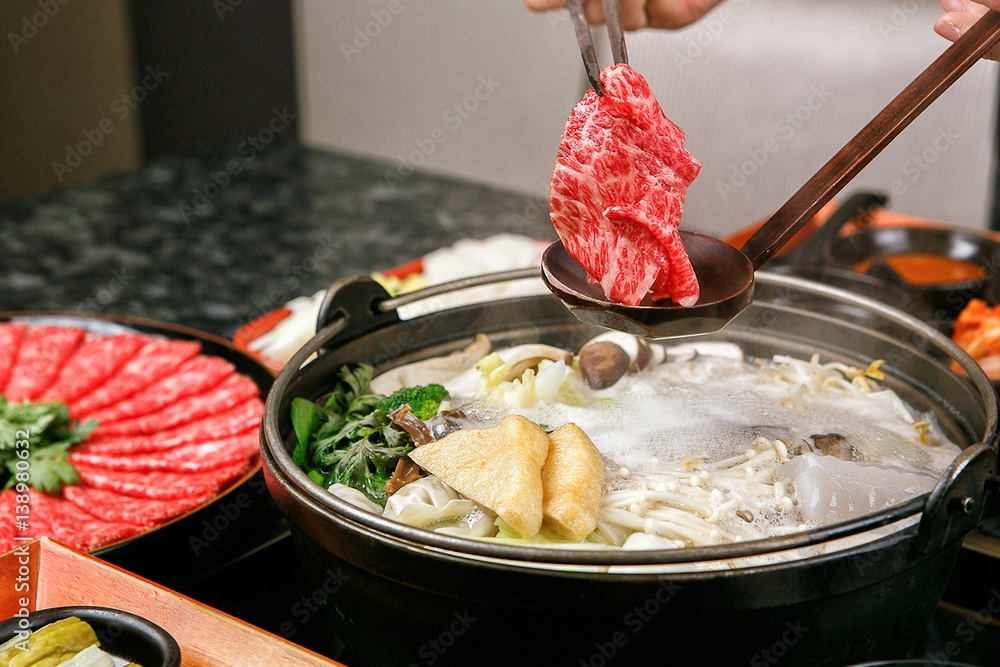
Making shabu shabu at home requires zero culinary trickery and only a handful of fresh ingredients. This Japanese hot pot classic centers on a pot of simmering kelp-infused broth where you swish paper-thin slices of beef and crisp vegetables for just a few seconds. You cook as you eat, dipping each bite into bright citrus ponzu or rich sesame sauce. It's an interactive meal that turns dinner into an event, letting everyone control their own food.
The word shabu-shabu imitates the swishing sound the meat makes as it hits the hot liquid. Unlike heavier stews that bubble away for hours, this dish relies entirely on the pristine quality of its components. You don't mask flavors with heavy spices; you elevate them with clean technique, proper slicing, and balanced dipping sauces.
The Foundation: Building a Clean Broth
Your broth serves as the canvas for everything else. While packaged bases exist, making a traditional kelp and bonito stock takes minutes and tastes infinitely better.
Start with a strip of dried kombu—giant sea kelp—wiped gently with a damp cloth to preserve its white powdery umami minerals. Drop it into a pot of cold water and bring it to a gentle simmer over medium-low heat. Pull the kombu out right before the water bubbles fiercely. Leaving it in too long turns the liquid viscous and bitter.
Next, turn off the heat and drop in a handful of dried bonito flakes (katsuobushi). Let them steep for five minutes before straining the liquid through a fine-mesh sieve lined with cheesecloth. You're left with a golden, aromatic dashi that smells of the sea and provides a savory, clean base for your meats and vegetables.
Sourcing and Preparing the Proteins
Thinness dictates success here. If your meat is too thick, it turns tough instantly. If it's too thin, it dissolves.
Beef remains the gold standard. Look for ribeye, sirloin, or chuck eye with dense, web-like marbling. The fat melts into the broth as you cook, enriching the liquid over the course of the meal. Pork belly and chicken thigh cut into paper-thin strips work wonderfully too, as do cleaned shrimp, scallops, and firm white fish like cod.
Achieving restaurant-quality slices at home comes down to temperature control. Pop your block of meat into the freezer for 45 to 60 minutes before slicing. It should feel firm to the touch but not rock solid. Use a sharp chef's knife to slice directly against the grain into translucent sheets.
Vegetables and Tofu to Include
Vegetables cook in the same pot, absorbing the combined flavors of the dashi and the rendered meat fats. Cut everything into bite-sized pieces so they cook through in under a minute.
- Nappa Cabbage: The absolute essential. Slice the leaves into wide strips, separating the crunchy white stems from the leafy green tops.
- Mushrooms: Shiitake caps with scored tops, enoki bundles with the base trimmed off, and sliced king oyster mushrooms add earthy depth.
- Aromatics and Greens: Shungiku (garland chrysanthemum) provides a subtle bitterness that cuts through rich meats, while Tokyo negi (Japanese leek) adds sweet onion notes.
- Tofu: Firm or momen tofu holds its shape in the simmering liquid, while silken tofu requires a gentle touch and a slotted spoon.
- Noodles: Keep udon noodles or glass noodles on standby to toss into the finished pot at the end of the meal.
The Dipping Sauces: Tare
Because the broth itself is lightly seasoned, the dipping sauces do the heavy lifting for flavor. Set out small bowls for each diner so they can mix and match.
Ponzu forms the tangy, refreshing option. Combine equal parts high-quality soy sauce and fresh citrus juice—yuzu, sudachi, or a blend of lemon and lime—with a splash of your dashi.
Goma dare provides the creamy counterpoint. Whisk white toasted sesame paste with soy sauce, rice vinegar, a touch of mirin, and a spoonful of sugar until smooth. For an extra kick, set out grated daikon radish, chopped scallions, and rayu (Japanese chili oil).
Step-by-Step Cooking Execution
Set up a portable electric burner or induction cooktop right in the middle of your dining table with a wide, shallow pot filled with your prepared dashi. Arrange platters of meat, vegetables, and sauces around the pot.
- Heat the Broth: Bring the dashi to a gentle simmer at the table. Keep the heat steady so it never boils at a rolling bubble.
- Cook the Tougher Veggies First: Drop in pieces of nappa cabbage stems, daikon slices, and shiitake mushrooms to give the broth an initial flavor boost.
- Swish the Meat: Pick up a single slice of beef with your chopsticks, submerge it into the hot liquid, and swish it back and forth for 10 to 15 seconds until it just loses its pink color.
- Dip and Eat: Transfer the cooked meat directly into your ponzu or sesame sauce, then eat it alongside your cooked vegetables.
- Finish with Carbs: Once you've eaten the bulk of the ingredients, the broth is packed with rich umami flavor. Drop in cooked udon noodles or whisk in a beaten egg with steamed white rice to make zosui rice porridge.
Common Mistakes to Avoid
Hot pot looks foolproof, but a few technical errors ruin the texture of the meal.
Overcooking the meat ranks as the most frequent mistake. Beef cooked for two minutes turns into shoe leather. Pull it out the second the color shifts from red to pale brown.
Crowding the pot drops the liquid temperature too fast, turning your ingredients soggy instead of tender--crisp. Cook in small batches, adding a few pieces of meat and vegetables at a time.
Finally, don't skip skimming the surface. As proteins cook, impurities rise to the top as foam. Use a fine mesh skimmer to clear them away periodically so your broth stays crystal clear from the first bite to the last.
Frequently Asked Questions
Can I make shabu shabu without kombu or bonito flakes?
Yes. While traditional dashi creates the authentic flavor profile, you can substitute a quick vegetable broth or a light chicken stock spiked with a splash of soy sauce and mirin. The broth won't taste authentically Japanese, but it will still cook the ingredients effectively.
How do I store leftover sliced meat?
Raw meat sliced for shabu shabu should be cooked within 24 hours if kept in the refrigerator, or wrapped tightly in parchment paper and frozen for up to a month. Because the slices are so thin, they dry out quickly in standard packaging.
Is shabu shabu the same as sukiyaki?
No. While both are Japanese hot pot dishes involving thinly sliced beef, sukiyaki uses a sweet, heavy soy sauce and sugar reduction and dips cooked ingredients in a raw beaten egg. Shabu shabu uses a clean, unseasoned broth and relies entirely on separate dipping sauces.
What kind of pot works best for table cooking?
A wide, shallow metal pot—traditionally a donabe ceramic pot or a stainless steel shabu-shabu pot with a center divider—works best because it gives everyone easy access to the simmering liquid from all sides of the table.



