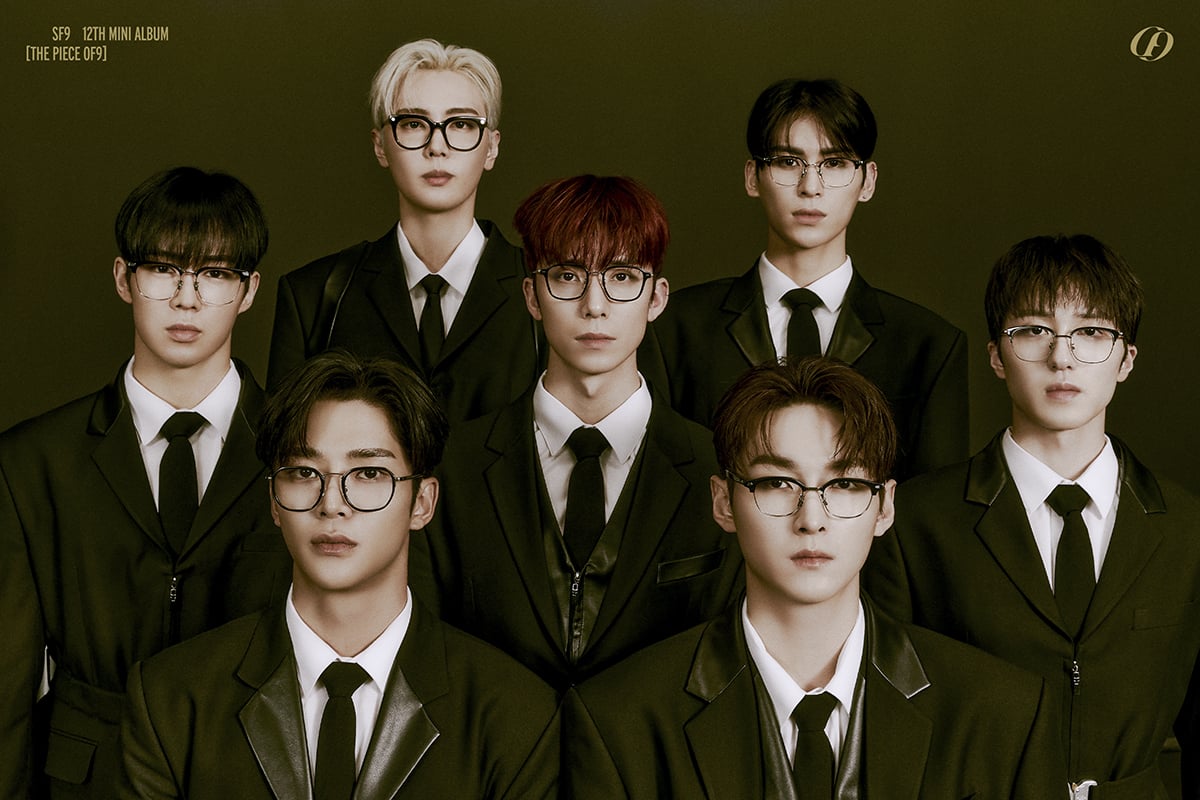
Navigating a long-term career in K-pop requires constant reinvention. When groups mature past their initial rookie phases, structural shifts in management, member line-ups, and creative direction dictate whether they survive or fade. SF9 members have faced these exact crossroads, adapting their collective strategy to maintain relevance in a hyper-competitive market.
Understanding how veteran acts restructure their operations sheds light on modern entertainment economics. This breakdown examines the real strategies driving SF9 forward, the operational pivots behind their recent eras, and what fans can expect as the group enters its next chapter.
Structural Evolution and Line-up Shifts
Every long-running group eventually confronts contract renewals and mandatory military service. For SF9, these milestones triggered a complete overhaul of how promotions and group activities are organized. Rather than forcing a rigid structure, the management and members adopted a flexible framework.
- Military Service Rotations: As older members like Inseong and Youngbin fulfilled their national service duties, active line-ups fluctuated. The remaining members—including Jaeyoon, Dawon, Zuho, Yoo Taeyang, Hwiyoung, and Chani—redistributed vocal lines and choreography blocks to keep live performances seamless.
- Transition to Independent Paths: Rowoon's departure to focus fully on acting marked a turning point, allowing the remaining eight members to lean harder into cohesive musical identities while supporting individual solo pursuits.
- Rebranding the Group Identity: The group updated their symbolic meaning from "Sensational Feeling 9" to "Still Feeling 9ood" following their major milestone anniversaries, signaling a mature artistic shift to their fanbase, Fantasy.
Diversifying Individual Portfolios
Relying solely on group album sales is an outdated model for veteran acts. Modern K-pop survival depends on individual members building distinct personal brands across acting, musical theater, solo music production, and variety shows.
Members like Chani and Hwiyoung have consistently secured acting roles in dramas and films, building independent viewer bases that cross over into music support. Meanwhile, main vocalists like Inseong and Jaeyoon have anchored themselves in high-profile musical theater productions, proving their live performance chops outside standard idol track formats.
This multi-pronged approach ensures that if one member is busy filming a drama or serving in the military, the other active members keep the brand visible in the media cycle.
Creative Control and Musical Identity
As groups gain seniority, labels frequently grant them greater creative freedom. SF9's musical strategy shifted from heavily manufactured, trend-chasing tracks to sleek, performance-oriented R&B and dance-pop that highlights their specific vocal textures.
- Self-Composed Tracks: Members have increasingly contributed to writing and producing B-sides, giving their albums a personal touch that resonates deeply with long-term supporters.
- Choreography Focus: Known for sharp, conceptual choreography—such as their sharp suit-clad eras—they've maintained a distinct visual standard that sets them apart from younger, fourth- and fifth-generation acts.
Common Misconceptions About Veteran Group Strategies
Many casual observers misunderstand how groups function years after their debut. Let's clear up a few persistent myths.
- Myth: Line-up changes always spell the end. In reality, mature groups often stabilize after restructuring because remaining members share a unified vision and clearer career goals.
- Myth: Solo activities distract from the group. Individual ventures actually act as top-of-funnel marketing, drawing brand-new listeners back to the group's collective discography.
- Myth: International touring replaces local engagement. Sustainable careers require a balanced mix of domestic fan-meeting infrastructure and targeted international concert stops.
For deeper context on how South Korean entertainment agencies manage artist contracts, check out the Korea Creative Content Agency. To explore official releases and profile updates, visit the FNC Entertainment corporate portal.
Frequently Asked Questions
How many members are currently active in SF9?
The group consists of eight members, with active rosters shifting periodically to accommodate mandatory military service enlistments and individual drama or musical schedules.
What was the reason behind Rowoon's departure?
Rowoon departed from group music activities to focus full-time on his burgeoning acting career in television dramas, though he remains tied to the agency for specific legacy obligations.
How do K-pop groups handle member enlistments without disbanding?
Agencies utilize staggered enlistment schedules, release pre-recorded content, promote sub-units or solo projects, and focus heavily on individual acting or variety appearances to keep the brand active.
Where can fans track official schedule updates?
Official updates, ticketing info, and notice boards are hosted directly on the FNC Entertainment official website and the group's verified fan café platforms.



