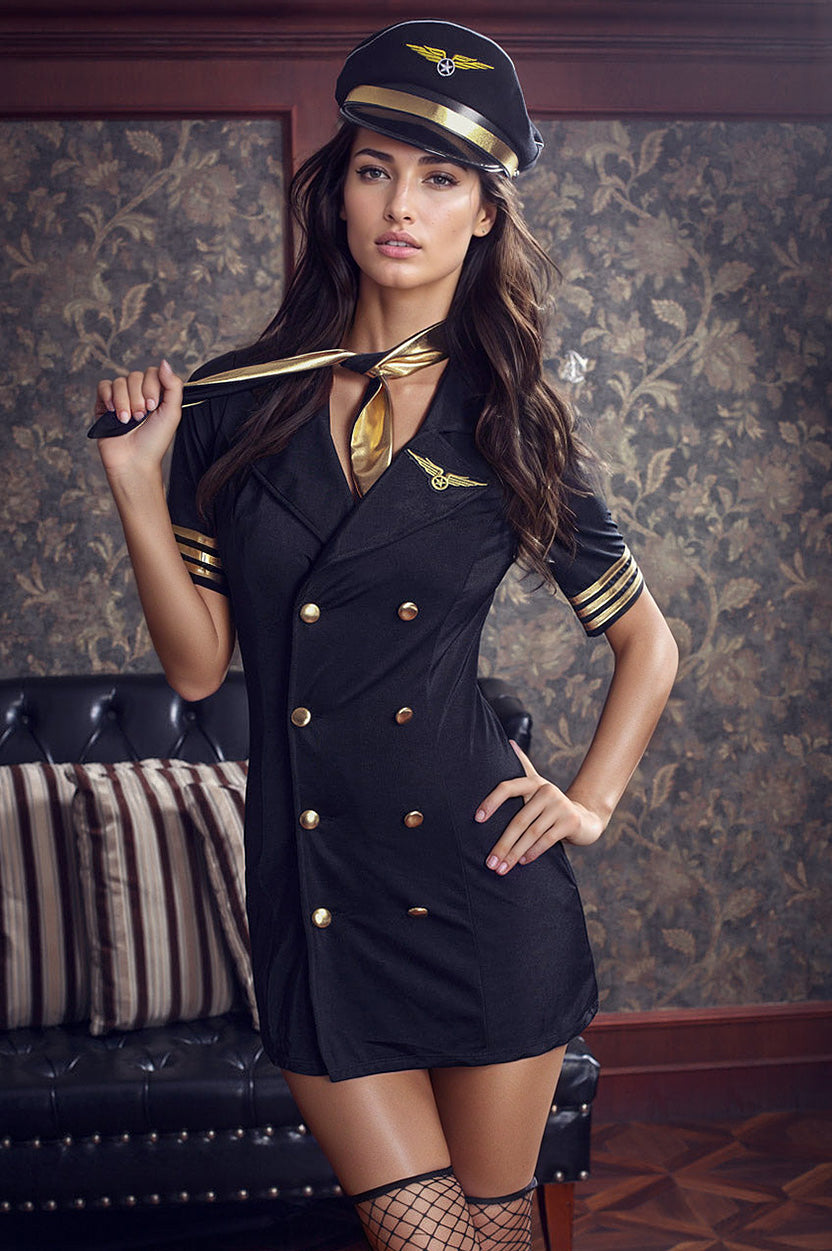
Crossdressing portraiture has evolved from hidden underground snapshots into a respected genre of fine art, personal expression, and professional fashion photography. When individuals search for images celebrating this form of self-expression, they're typically looking for authentic portrayals, high-fashion styling inspiration, and technical insights into how these photographs are captured. Understanding the nuances of crossdressing photography requires looking past sensationalized stereotypes and examining the intersection of identity, wardrobe styling, lighting, and professional studio practices.
The demand for diverse gender presentation in media has shifted how photographers and subjects approach these projects. Instead of relying on low-resolution snapshots or exploitative imagery, modern creators focus on sophisticated aesthetics, precise wardrobe fitting, and mood-driven lighting. Whether you're a photographer looking to expand your portfolio, a model exploring new dimensions of personal presentation, or an enthusiast seeking artistic inspiration, understanding the mechanics of high-quality crossdressing imagery helps elevate the craft.
Understanding the Appeal of Crossdressing Portraiture
Photography serves as a powerful medium for self-discovery and validation. For many crossdressers, stepping in front of the camera in a curated outfit marks a moment of total authenticity. The psychological impact of seeing oneself accurately represented through a professional lens can be transformative, building confidence and honoring a cherished aspect of personal identity.
The visual appeal of these photographs often lies in the dramatic contrast and the mastery of presentation. Playing with traditional menswear and womenswear elements allows stylists to create striking silhouettes. Achieving a polished look involves balancing clothing proportions, makeup application, lighting angles, and posture. When these elements align, the resulting images possess a magnetic quality that captures both strength and vulnerability. If you want more about the context of this, Associated Press provides an excellent summary.
Essential Wardrobe and Styling Techniques
Creating compelling photographs starts long before the camera shutter clicks. Wardrobe selection dictates the entire mood of the shoot. Poorly fitted garments or mismatched textiles can ruin an otherwise brilliant composition.
Proportions and Silhouette Shaping
Traditional male frames often feature broader shoulders, a narrower waist-to-hip ratio, and a taller average stature compared to female frames. To create a balanced silhouette in women's clothing, styling choices must address these anatomical differences:
- A-line and Empire Cuts: Dresses that flare out from the waist help create the illusion of wider hips while softening a broad torso.
- Structured Undergarments: Shapewear, corsetry, and hip pads provide foundational curves that change how fabric drapes across the body.
- Neckline Selection: V-necks, scoop necks, and off-the-shoulder cuts break up broad shoulder lines far better than crew necks or tight turtlenecks.
Fabric and Texture Choices
Textiles react differently to studio lighting. Shiny fabrics like satin or polyester blends can catch harsh highlights from studio strobes, emphasizing textures you might want to soften. Matte fabrics, heavy crepes, dense cottons, and textured knits absorb light more evenly, offering a richer, more luxurious look on camera.
Mastering Makeup and Facial Presentation
Facial styling is often the most intricate part of preparing for a crossdressing portrait session. Masculine facial structures feature heavier brow bones, stronger jawlines, and potential beard shadows that require specific correction techniques.
Color correction is the first vital step. Because beard hair sits beneath the skin, a clean shave still leaves a bluish or gray tint. Applying an orange or peach color corrector directly over the shaved area neutralizes the blue tones before any foundation goes on. Without this step, foundation can turn gray or chalky under studio lights.
Contouring and highlighting sculpt the face. Darker contour shades applied along the jawline, under the cheekbones, and down the sides of the nose create shadows that visually soften sharp angles. Highlighter on the cheekbones, bridge of the nose, and cupids bow draws light to the center of the face, creating a more delicate overall structure.
Lighting Strategies for Flattering Portraits
Lighting can make or break a portrait session. The right setup flatters the subject's features and enhances the mood of the wardrobe, while poor lighting exaggerates harsh angles or unflattering shadows.
Soft Versus Hard Light
For most portrait work celebrating feminine presentation, soft light is the industry standard. Large softboxes, beauty dishes with diffusion socks, or shoot-through umbrellas create gentle, gradual transitions between light and shadow. This minimizes the appearance of pores, wrinkles, and strong jawlines.
Key Setup Adjustments
- Loop or Butterfly Lighting: Positioning the main light slightly above and directly in front of the subject creates subtle shadows beneath the nose and chin, slimming the face and highlighting cheekbones.
- Rim Lighting: Placing lights behind the subject on either side helps separate them from the background, adding a glowing outline to hair and clothing edges. This technique works wonders for defining long wigs or textured fabrics.
Posing and Body Language
Clothing and makeup only go part of the way; body language completes the illusion and sets the emotional tone of the photograph. Traditional masculine poses tend to be wide, grounded, and angular. Feminine posing often emphasizes curves, soft lines, and relaxed limbs.
- Weight Distribution: Shifting weight to one hip creates a natural S-curve in the spine, instantly softening the body's silhouette.
- Arm Placement: Keeping arms slightly away from the torso prevents them from pressing against the body and appearing larger. Softening the hands and fingers adds grace to every frame.
- Chin Position: Tilting the chin down slightly and turning the face away from the direct center of the lens slims the jawline and creates engaging, direct eye contact.
For more insights on portrait composition and lighting techniques, review resources provided by organizations like the Professional Photographers of America.
Common Mistakes to Avoid
Even experienced photographers and enthusiasts run into recurring pitfalls when shooting crossdressing portraits. Recognizing these errors saves time and yields professional results.
- Relying on Heavy Post-Processing: Trying to fix poor makeup, bad lighting, or ill-fitting clothes entirely in editing software results in an unnatural, plastic look. Fix the fundamentals on set.
- Ignoring Wig Quality: Cheap synthetic wigs often have an unnatural shine that screams "costume." Investing in a lace-front heat-resistant wig and plucking the parting space makes a massive visual difference.
- Forgetting Background Harmony: Busy backgrounds distract from the subject. Keep backdrops clean, textured, or complementary to the clothing color palette.
Frequently Asked Questions
How do I choose the right wig for my face shape?
Match the wig style to your facial structure. Round faces benefit from longer styles with volume at the crown to elongate the face, while angular or square jaws look best with soft waves or curls that break up sharp lines.
What is the best camera lens for portrait photography?
A prime lens with a focal length between 85mm and 105mm is ideal for portraits. These focal lengths compress facial features naturally and allow for a wide aperture, creating a blurred background that makes the subject pop.
How can I practice posing effectively before a shoot?
Practice in front of a full-length mirror while studying professional fashion magazines or portrait galleries. Take quick video clips of yourself moving to see which angles and postures look most natural and flattering on camera.
Is professional makeup necessary for good results?
While professional makeup artists who specialize in gender-affirming or crossdressing styling can elevate the final look, practicing basic color correction, contouring, and eyebrow shaping at home allows for total creative control.



