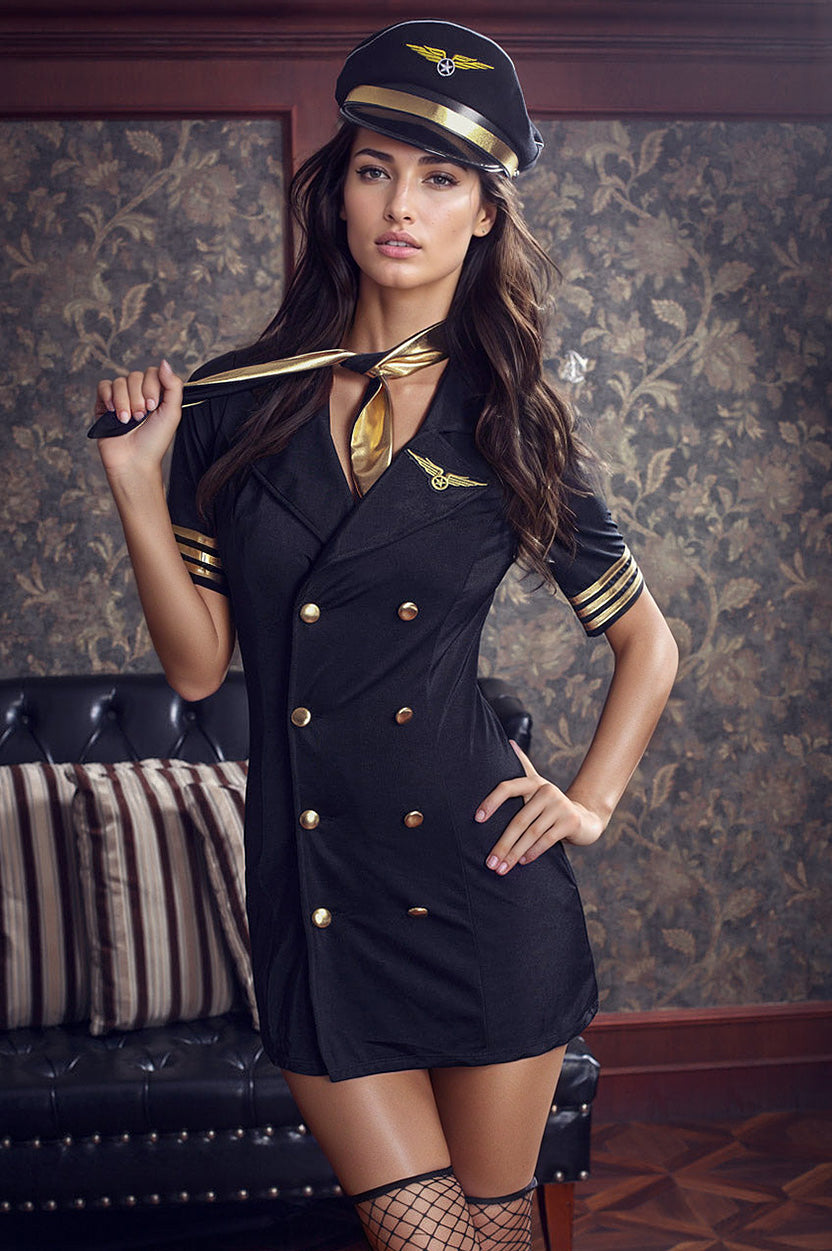
Crossdressing photography lets individuals capture and celebrate gender expression with confidence, creativity, and personal style. Whether you're building a private portfolio or sharing your look with an accepting community, taking striking photos requires intentional wardrobe choices, thoughtful lighting, and relaxed posing techniques. This guide covers practical ways to style outfits, set up flattering lighting, and capture high-quality images that reflect your authentic aesthetic.
Understanding Your Aesthetic and Goals
Before picking up a camera or organizing a wardrobe, defining the specific mood or style you want to capture helps streamline the entire process. Crossdressing photography spans a wide spectrum, from casual, everyday streetwear to high-fashion glamour, vintage looks, or theatrical concepts. Pinpointing your creative direction prevents outfit clutter and ensures the final images tell a cohesive visual story.
If your goal is everyday realism, focus on realistic proportions, natural makeup, and familiar settings like a cozy apartment room or an urban park. For high-fashion or dramatic portraits, lean into bold textures, theatrical lighting, and dramatic silhouettes. Taking time to mood-board your favorite styles using platforms like Pinterest provides clear visual references that guide your wardrobe and lighting choices.
Building a Versatile Wardrobe
Creating striking photographs starts with clothes that fit well and complement your body shape. Fit is the single most important factor in achieving a polished look, as ill-fitting garments can distort proportions and detract from the overall image quality.
Selecting Garments and Fabrics
Different fabrics interact with light and movement in unique ways. Matte fabrics like cotton and wool absorb light and create a soft, understated look, while satins, silks, and sequins catch highlights and add visual energy.
- Silhouettes: A-line dresses, wrap dresses, and high-waisted skirts naturally define the waist and create balanced proportions.
- Undergarments: Investing in quality shaping garments, padded bras, or hip pads helps create the desired silhouette under form-fitting clothes.
- Footwear: Choose shoes that match the outfit scale. If you're wearing heels, practice walking and standing in them beforehand to maintain natural posture during the shoot.
Tailoring and Proportion
Standard sizing doesn't always account for broader shoulders or varied torso lengths. Simple adjustments, such as using fashion tape to secure necklines or layering with blazers and cardigans, can completely transform how an outfit hangs. Matching necklines to your shoulder width—such as V-necks to soften broad shoulders—creates a balanced frame.
Makeup and Grooming Fundamentals
Makeup plays a major role in defining facial presentation and completing a crossdressing look. Camera sensors pick up details differently than the naked eye, so tailoring your routine for the lens makes a noticeable difference.
Foundation and Contour
Studio lighting and flash photography wash out natural skin tones, making foundation and contouring essential for defining facial structure.
- Color Correction: Use peach or orange color correctors to neutralize shadow areas like a five o'clock shadow before applying foundation.
- Contouring: Darker contour powders or creams applied along the jawline and cheekbones help soften masculine angles and create a softer, more rounded appearance.
- Brows: Shaping and filling brows slightly higher than your natural arch opens up the eye area and alters facial expression significantly.
Lighting Techniques for Flattering Portraits
Lighting can make or break a portrait. Understanding how light interacts with the face and body allows you to highlight your best features and set the desired mood.
Natural Light vs. Artificial Light
Shooting near large windows during the golden hour (just after sunrise or before sunset) provides soft, warm, and forgiving light. If you're shooting indoors with artificial lights, avoid harsh overhead bulbs that cast unflattering shadows under the eyes and nose. Instead, use a ring light or a softbox positioned directly in front of you at eye level for even, glowing illumination.
Controlling Shadows and Angles
Positioning your light source at a forty-five-degree angle to your face creates soft dimension, highlighting one side while leaving the other in gentle shadow. Turning your shoulders slightly away from the camera lens while keeping your face turned toward it is a classic portrait technique that instantly slims the silhouette and creates a more dynamic composition.
Posing and Body Language
Rigid posture is the most common pitfall in amateur portraiture. Relaxing the body and moving fluidly yields natural, expressive results.
Core Posing Principles
- Create Curves: Avoid standing completely square to the camera. Shift your weight to one hip to create an organic S-curve in your posture.
- Hand Placement: Keep hands soft and relaxed. Avoid pressing fingers flat against your face or body, which creates stiff lines. Instead, let hands rest gently on your waist, hair, or clothing.
- Chin and Jaw: Tilt your chin slightly down and forward to define the jawline and avoid double shadows under the chin.
Camera Settings and Equipment
You don't need expensive gear to take great photos. Modern smartphones feature incredible portrait modes, but dedicated digital cameras offer greater control over depth of field and sharpness.
Essential Settings
- Aperture: Use a wide aperture (such as f/1.8 or f/2.8) to blur the background and keep the focus sharply on your face and outfit.
- Focus: Always set your focus point manually on the eyes. Sharp eyes draw the viewer in immediately.
- Angles: Experiment with camera height. Shooting from slightly below eye level can make you look powerful and elongated, while shooting from slightly above creates a softer, more approachable look.
For further technical photography tips, the Digital Photography School offers comprehensive guides on portrait lighting and composition.
Frequently Asked Questions
How do I choose the right wig for my face shape?
Match the wig to your facial geometry. Round faces benefit from long, layered styles that add vertical length, while angular or square faces look great with soft waves or bangs that soften the jawline. Always choose lace-front wigs for the most natural-looking hairline.
What is the best way to handle body hair for a smooth look?
Shaving, waxing, or using hair removal creams are common methods. For a quick fix without irritation, opaque tights, body makeup, or shapewear can smooth out skin texture and cover stubble effectively before slipping into your outfit.
How can I practice posing without feeling awkward?
Practice in front of a full-length mirror with music playing to loosen up. Take test shots or short video clips on your phone to see which angles you like best before setting up your main camera session.
Where can I safely share my crossdressing photos online?
Look for moderated, supportive online communities dedicated to crossdressing, fashion, and transgender expression, such as specific subreddits or dedicated forums where members share styling advice and positive feedback in a secure environment.



