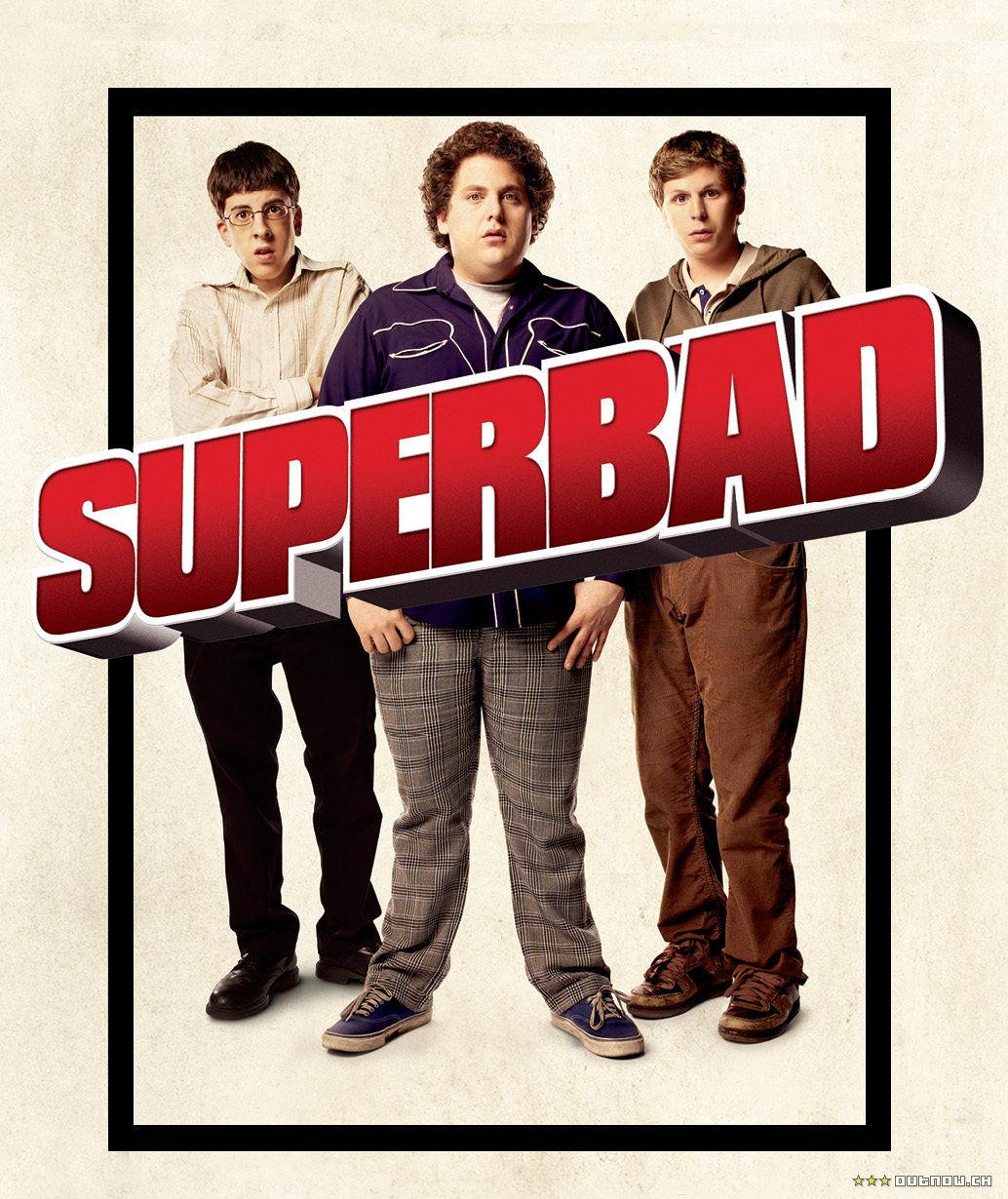
Seth Rogen didn't just star in generational comedies; he completely rewired how Hollywood handles raunch, earnest friendship, and middle-class anxiety. From his breakthrough co-writing Superbad in 2007 to tackling nuanced dramatic turns in The Fabelmans, his career showcases a deliberate shift away from typecasting toward creative control and artistic maturity.
That trajectory isn't an accident of aging. It's a calculated transition driven by production ownership through Point Grey Pictures and a willingness to embrace vulnerability on screen. Understanding how movies starring Seth Rogen evolved means looking past the smoke and fog to see a shrewd architect of modern cinema.
The Apatow Era and the Blueprint of Cringe Comedy
Before leading studio projects, Rogen built his reputation in the television writers' room for Da Ali G Show and supporting film turns in The 40-Year-Old Virgin (where he also served as co-producer). But the real turning point arrived with Superbad, a project he and writing partner Evan Goldberg began drafting when they were teenagers.
Instead of relying on polished, high-concept premises, Superbad rooted its comedy in the agonizingly insecure reality of teenage male friendship. The film rejected slick Hollywood styling for genuine awkwardness. Rogen played Officer Michaels alongside Bill Hader, anchoring the chaotic law enforcement subplot with deadpan absurdity.
Several foundational elements defined this early era:
- Improvised naturalism: Directors like Judd Apatow encouraged actors to riff, creating overlapping, messy dialogue that felt closer to real conversation than scripted punchlines.
- The stoner-buddy dynamic: Projects like Pineapple Express leaned into high-concept stoner action, balancing genuine danger with mundane slacker friction.
- Vulnerability over machismo: Prototypes of masculinity in these films were deeply flawed, anxious, and terrified of emotional rejection.
Expanding the Portfolio: Writing, Producing, and Genre-Bending
As Rogen's box office viability solidified, he refused to stay inside a single genre box. He and Goldberg expanded into horror-comedy with The Cabin in the Woods (which they produced) and subverted apocalyptic tropes with This Is the End, his directorial debut alongside Goldberg.
This era also marked a pivot toward physical and character-driven animation work, including major voice acting roles in Kung Fu Panda and Monsters vs. Aliens. Rather than coasting on his distinct vocal timbre, Rogen brought specific comedic timing to animated characters, ensuring his persona translated across family-friendly franchises.
When he tackled riskier satirical material like The Interview in 2014, the film triggered international geopolitical backlash. That real-world friction underscored a critical reality: movies starring Seth Rogen were no longer just silly weekend escapism; they could provoke actual political discourse, whether intended or not.
The Pivot to Serious Drama and Prestige Filmmaking
The most compelling part of Rogen's filmography is his pivot away from pure comedy toward grounded, dramatic storytelling. This wasn't an abrupt leap. Projects like 50/50—a dark comedy-drama inspired by writer Will Reiser's battle with cancer—proved Rogen could handle terminal illness and emotional grief without dropping his trademark comedic relief.
That foundation paved the way for fully dramatic and prestige cinematic roles:
- Steve Jobs (2015): Playing Apple co-founder Steve Wozniak, Rogen stripped away his usual persona to portray the frustrated, ethical foil to Michael Fassbender's volatile Jobs.
- Pam & Tommy (2022): In this biographical miniseries, he earned critical praise for playing Rand Gauthier, combining desperate ambition with tragicomic pathos.
- The Fabelmans (2022): Working with Steven Spielberg as Uncle Bennie, Rogen delivered a restrained, emotionally complex performance in a deeply personal cinematic memoir.
By shedding the expectation to constantly deliver punchlines, he proved that comedic actors possess an innate grasp of timing that translates effectively to dramatic tension.
Behind the Camera: Point Grey Pictures and Creative Autonomy
Rogen's longevity stems from owning his output. Through Point Grey Pictures, founded with Goldberg, he transitioned from a hired-gun actor to a producer greenlighting unconventional projects.
This production house backed boundary-pushing television like The Boys and Preacher, alongside mid-budget comedies and indie films that major studios increasingly avoid. That behind-the-scenes control allowed Rogen to experiment with tone, ensuring that movies starring Seth Rogen retained a distinct, unfiltered authorial voice even as budgets scaled up.
Frequently Asked Questions
Did Seth Rogen write Superbad?
Yes. Rogen and his childhood friend Evan Goldberg began writing the initial drafts of Superbad when they were just thirteen years old, pulling heavily from their high school experiences in Vancouver.
What was Seth Rogen's first dramatic movie role?
While 50/50 (2011) blended heavy drama with comedy, his first major non-comedic dramatic film role was portraying Steve Wozniak in Danny Boyle's Steve Jobs (2015).
Does Seth Rogen still make stoner comedies?
While he occasionally returns to his comedic roots, his recent career focuses heavily on producing television series, voice acting in major animated franchises like The Super Mario Bros. Movie, and taking on dramatic film roles.
How many films has Seth Rogen produced?
Through Point Grey Pictures, Rogen has produced dozens of feature films and television series, championing creator-driven projects across multiple genres.



