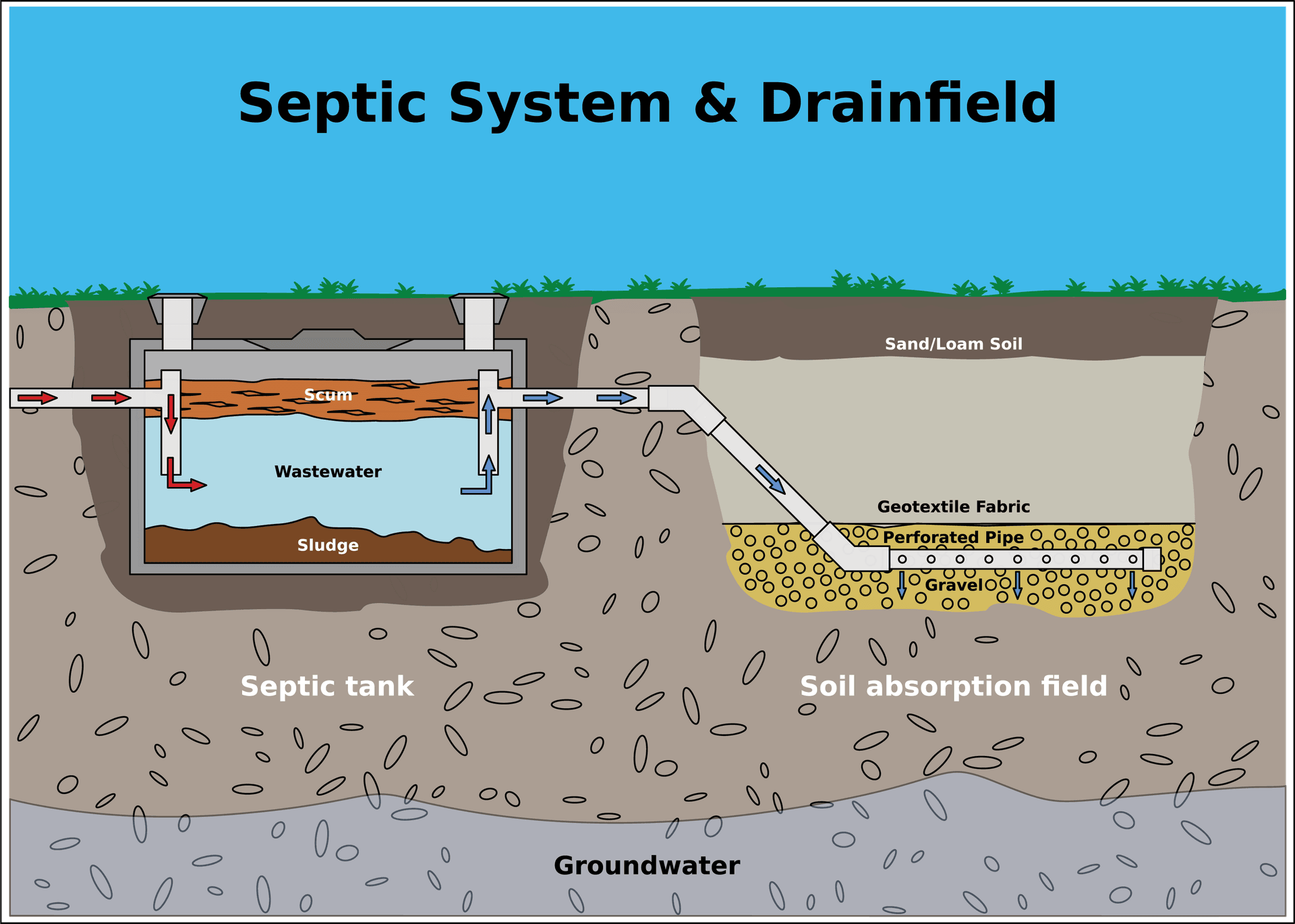
If you live outside municipal sewer lines, your home relies on a private onsite wastewater treatment installation. Understanding how this underground infrastructure functions protects your property value and prevents expensive failures. You'll avoid catastrophic backups by learning routine upkeep, identifying early warning signs, and managing daily water usage responsibly.
A private underground wastewater installation processes all household gray water and black water through a natural, multi-stage filtration process. Wastewater flows from your indoor plumbing into a heavy underground holding tank where solids separate from liquids. Bacteria break down organic waste inside the container before liquid effluent travels out into a subsurface soil absorption area. Proper care ensures this biological cycle functions continuously without contaminating groundwater.
Core Components of an Onsite Wastewater Installation
Every conventional residential wastewater setup includes several structural elements working in unison. Knowing each part helps you monitor performance and catch minor malfunctions early.
- Septic Tank: This watertight container, usually made of concrete, fiberglass, or durable polyethylene, holds wastewater long enough for heavy solids to settle into sludge and greases to float as scum. Tanks typically hold between one thousand and three thousand gallons.
- Outlet Baffle: This structural fitting prevents floating scum and solids from leaving the tank and entering the effluent pipe, protecting your soil absorption field from clogging.
- Distribution Box: This junction box evenly splits treated liquid effluent into multiple pipes leading to various trenches across your absorption field.
- Drainfield: Also called a leach field, this network of perforated pipes buried in gravel-filled trenches allows treated wastewater to filter slowly through native soil, where natural microbes eliminate harmful pathogens.
Routine Maintenance and Pumping Schedules
Neglecting scheduled maintenance is the primary cause of premature underground failure. Solid waste accumulates inside the holding container over time and must be removed periodically.
Most households need their holding container pumped every three to five years. However, exact intervals depend on tank capacity, the number of residents, and daily water consumption. A household of five people with a standard tank will require service much sooner than a single occupant.
Hire a licensed professional to inspect sludge levels annually. Technicians measure the floating scum layer and settled sludge to determine if pumping is overdue. Never attempt to open or enter an underground holding container yourself. Toxic gases and lack of oxygen create immediate fatal hazards.
Daily Habits to Protect Your Infrastructure
Your daily habits directly dictate the lifespan of your underground treatment setup. What goes down your drains matters significantly.
- Conserve Water: Spreading out laundry loads over the course of a week prevents hydraulic overloading. Too much water entering the container simultaneously stirs up settled solids and pushes them into your absorption trenches.
- Watch What You Flush: Only human waste and toilet paper belong in your plumbing system. Never flush wet wipes, paper towels, feminine hygiene products, cotton swabs, or dental floss, even if product labels claim they are flushable.
- Manage Kitchen Waste: Install a waste basket instead of relying heavily on a garbage disposal. Food scraps increase the volume of solid sludge rapidly and add oils that disrupt natural bacterial breakdown.
- Avoid Chemical Harshness: Pouring harsh chemical drain cleaners, paints, solvents, or excessive bleach down your drains kills beneficial bacteria necessary for digesting organic waste.
Recognizing Signs of Impending Failure
Catching problems early saves thousands of dollars in emergency excavation and replacement costs. Watch for distinct indicators of system distress around your property.
- Slow Drains: If multiple plumbing fixtures throughout your home drain sluggishly despite clearing individual P-traps, your main line or tank outlet might be restricted.
- Unpleasant Odors: Persistent sewage smells lingering in your yard or near the holding container indicate venting issues, structural cracks, or saturated soil.
- Lush Grass Patches: Bright green, spongy grass growing directly over your absorption field during dry summer months signals excessive liquid rising near the surface due to a clogged trench.
- Pooling Water: Standing water or soggy soil surfacing over the drainfield without recent heavy rainfall points to complete soil saturation or bio-mat failure.
Professional Inspection Protocols
When you buy a home or suspect a malfunction, a thorough evaluation by a certified inspector is essential. Technicians use electronic locators to map tank and pipe locations, measure scum and sludge depths, check mechanical pumps or alarms in alternative systems, and run cameras through inlet and outlet pipes to check for structural cracks or root intrusion. For more details on regulatory standards and environmental safety, visit the US Environmental Protection Agency. To understand broader regional guidelines, consult the Government of Canada.
Frequently Asked Questions
Can I use commercial bacteria additives in my tank?
Most experts and regulatory agencies advise against commercial bacterial additives. Your system naturally generates all the bacteria it needs through normal household waste. Additives can sometimes break down solid sludge prematurely, causing suspended particles to flow into and clog your drainfield.
How close to the drainfield can I plant trees or gardens?
Keep large trees and shrubs at least twenty feet away from your drainfield and holding container. Aggressive tree roots seek out moisture and nutrients inside underground pipes, causing severe structural damage and blockages. Shallow-rooted grass is the only safe vegetative cover for a leach field.
What should I do if my system floods during heavy rain?
Minimize your indoor water use immediately during heavy storms or saturated soil conditions. When the surrounding water table rises above your drainfield, effluent cannot escape the pipes properly. Pumping the holding container during a flood can also cause concrete tanks to crack or float out of the ground due to external hydrostatic pressure. Wait until surrounding groundwater levels recede before running heavy appliances like washing machines.



