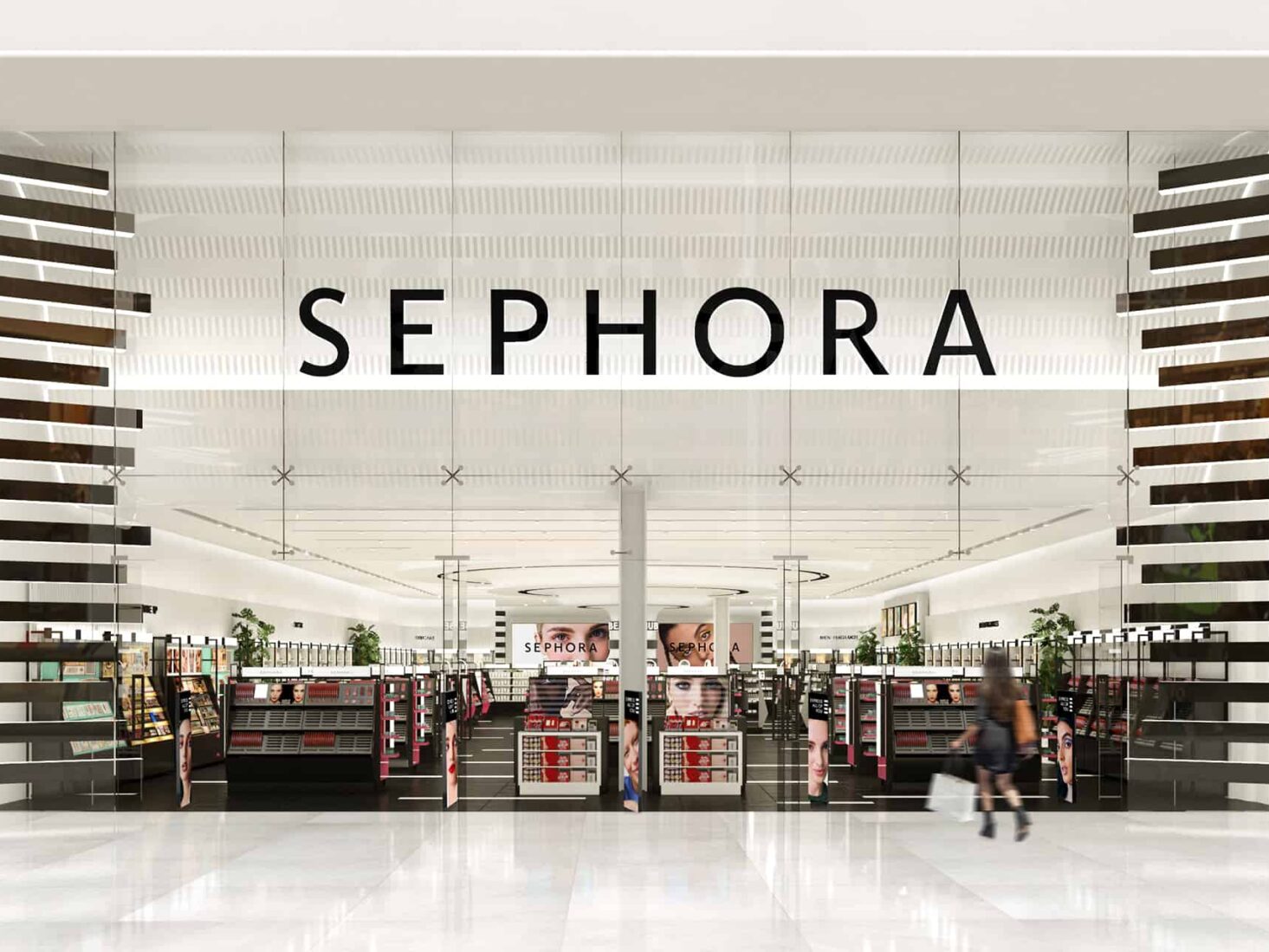
Sephora generates over 80% of its total retail revenue from its structured Beauty Insider membership ecosystem. Behind this engine sits a long-standing financial partnership with Bread Financial, which powers the brand's co-branded credit cards and transaction data loops. Instead of relying on random discounts, this collaboration turns everyday beauty purchases into rich behavioral profiles. By combining tiered rewards with precise financial data infrastructure, the retailer turns passive buyers into dedicated brand advocates.
Understanding how this mechanism operates requires looking beyond simple point collection. It's about how financial architecture and retail psychology intersect to capture first-party data, lift average order values, and secure long-term buyer retention.
The Financial Engine: How Bread Financial Powers Sephora
Financial institutions rarely manage retail credit programs without gaining deep behavioral insights in return. Bread Financial handles the private-label and co-branded Visa credit cards for Sephora through its subsidiary Comenity Capital Bank. When shoppers use the Sephora credit card, they earn 4% back in reward dollars alongside double Beauty Insider points on purchases.
This setup solves a major challenge for specialty retailers: capturing spend that happens outside their ecosystem. The Sephora Visa card allows users to earn rewards on everyday purchases made anywhere Visa is accepted. That mechanism keeps the brand top-of-mind even when a customer isn't actively shopping for cosmetics.
Every swipe feeds valuable data back into the operational loop. Transaction velocity, category expansion, average basket size, and shopping frequency flow directly from Bread Financial's processing infrastructure into the retailer's CRM. This data partnership allows marketing teams to identify spending shifts early and deploy targeted incentives before a customer slips away.
Capturing Customer Data Through Tiered Engagement
Data collection fails when customers refuse to share their personal preferences. Sephora bypasses this friction by making data collection feel like an exclusive privilege rather than an administrative chore. The Beauty Insider program splits members into three distinct tiers: Insider, VIB, and Rouge.
Each tier unlocks higher status, better shipping terms, and early access to seasonal savings events. To move from the free Insider tier to VIB requires spending $350 annually, while Rouge demands a $1,000 yearly commitment. These thresholds aren't random guesses. They target specific customer segments based on historical purchasing data captured at the point of sale.
- Insider Tier: Zero minimum spend, offering basic points-per-dollar accumulation and birthday gift eligibility.
- VIB Tier: Catches mid-frequency beauty enthusiasts who buy multiple times per year.
- Rouge Tier: Isolates high-value advocates who drive outsized profitability and engage with experiential perks.
By tying tier progression to spending milestones, the program collects granular purchase history. The brand knows precisely which product categories—skincare, fragrance, or hair care—push a buyer into the next tier. That visibility informs inventory planning and personalized email marketing campaigns.
Reshaping Retail Revenue Through Scarcity and Exclusivity
Traditional punch-card loyalty models often bleed profit because they hand out unearned discounts. Sephora avoids margin erosion by structuring rewards around perceived value and scarcity rather than direct cash markdowns.
The Rewards Bazaar functions as an active scarcity engine. High-demand product bundles and deluxe samples require hundreds or thousands of accumulated points. Because quantities are strictly limited, these items often sell out within hours of release. This dynamic creates urgency, pushing members to check the app more frequently and complete transactions they might otherwise delay.
Furthermore, point redemption rates are carefully calibrated. Converting 500 points to $10 off yields a modest 2% cashback return. Yet, customers prefer redeeming points for experiential rewards, physical samples, or exclusive brand access. This strategy preserves retail margins while keeping perceived customer value exceptionally high.
Omnichannel Data Synchronization
A loyalty program breaks down if online channels and physical stores operate in silos. Sephora solves this by unifying customer profiles across mobile apps, e-commerce checkouts, and physical point-of-sale registers.
When a beauty advisor scans a customer's barcode in-store, they instantly see past purchases, shade matches saved via Color iQ, and available reward options. This seamless sync ensures that customer data remains accurate regardless of where the transaction occurs. For Bread Financial, this omnichannel integration means credit data and loyalty points update in real time, preventing reward discrepancies and reducing customer service friction.
Common Pitfalls in Retail Loyalty Programs
Many retailers attempt to replicate this model but fail because they misunderstand the underlying economics. Avoiding these missteps is vital for brands building proprietary loyalty ecosystems.
- Over-discounting margins: Handing out blanket percentage-off coupons trains customers to wait for sales rather than buying on value.
- Ignoring non-purchase engagement: Failing to reward actions like product reviews, profile completions, or app engagement limits data collection.
- Complex point valuation: Using confusing conversion math frustrates buyers and lowers participation rates. Point systems must be instantly understandable.
- Siloed data channels: Keeping online purchase history separate from brick-and-mortar receipts blinds marketing teams to true omnichannel behavior.
Frequently Asked Questions
How does Bread Financial support Sephora's loyalty strategy?
Bread Financial issues and services Sephora's private-label and co-branded Visa credit cards. This financial partnership allows customers to earn accelerated reward dollars on beauty purchases while supplying the retailer with secure transaction processing and rich consumer spending data.
What is the financial impact of Sephora's loyalty program?
Members of the Beauty Insider program drive the vast majority of Sephora's annual retail sales. The combination of tiered spending thresholds, credit card rewards, and frequent engagement loops creates high customer retention rates.
Why do points expire in Sephora's loyalty model?
Points expire after a period of account inactivity to encourage regular re-engagement. This strategic constraint prevents point hoarding and prompts customers to return to the store or website before their balance disappears.
How does the Sephora credit card differ from standard payment methods?
The co-branded credit card provides 4% back in reward dollars on purchases made at Sephora, alongside double loyalty points and exclusive introductory discounts. The Visa variation also allows cardholders to earn rewards on everyday spending outside of beauty retail.



: Complete Survey Guide and Rewards](https://www.simpleeverydaymom.com/wp-content/uploads/2023/10/Pilgrim-Photo-Craft-for-Thanksgiving-image-559x1024.jpg)