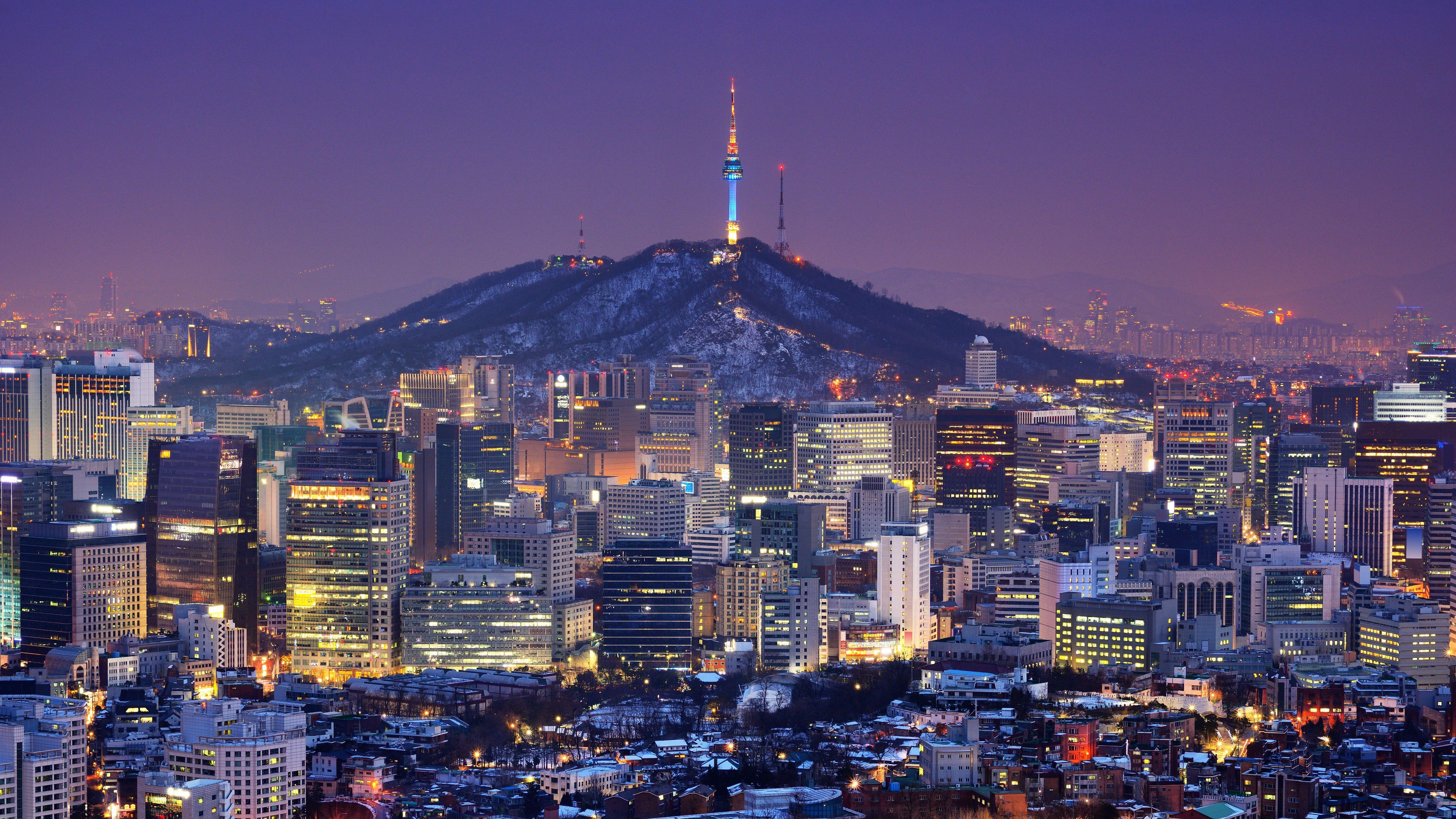
When you stack Seoul and New York City side by side, measuring which one is "bigger" depends entirely on where you draw the boundary lines. Seoul proper houses roughly 9.2 million residents within a compact 233 square miles, while New York City spans about 300 square miles with a population hovering near 8.3 million. Yet city limits only tell half the story. If you look at the wider metropolitan regions and urban agglomerations, both cities swell dramatically, shifting the scale in surprising ways.
Determining the true heavyweight requires looking beyond municipal boundaries to examine metropolitan footprints, population density, and everyday urban scale. While NYC is often viewed as the ultimate global metropolis, Seoul operates on an immense, highly concentrated scale that frequently catches first-time visitors off guard. Let's break down how these two urban giants actually compare across population, geographic footprint, and urban infrastructure.
City Proper vs. Metropolitan Area Definitions
Municipal borders are political boundaries, not true measures of a city's economic or physical mass. If you compare Seoul's city proper population of roughly 9.2 million to New York City's 8.3 million, Seoul edges ahead on paper. However, administrative definitions distort the reality of how people live and move.
The New York metropolitan area—often called the Tri-State area—stretches across parts of New York, New Jersey, and Connecticut, housing over 19 million people. By comparison, the Seoul Capital Area, which includes Incheon and Gyeonggi Province, encompasses more than 25 million people. This means the greater Seoul region supports nearly half of South Korea's entire national population, creating a hyper-concentrated urban zone that dwarfs the geographic scale of the New York metro area's population share.
For travelers and urban planners, the metropolitan scale matters more than municipal lines. You can learn more about how global urban regions are classified through research provided by organizations like the U.N. Department of Economic and Social Affairs.
Geographic Footprint and Physical Scale
Land area paints a different picture of largeness. New York City covers approximately 300 square miles of land across its five boroughs. Seoul covers roughly 233 square miles. NYC has a larger physical land footprint within its official municipal borders, meaning it spreads out more across islands, rivers, and mainland peninsulas.
Yet Seoul compensates for its smaller land area with sheer verticality and intensive land use. Because Seoul is constrained by surrounding mountains and historical development patterns, it packs millions more people into a tighter geographic box. This concentration influences everything from housing styles to commercial zoning.
Population Density Realities
Density is where the two cities diverge sharply. Seoul's population density climbs past 42,000 people per square mile. New York City averages around 29on thousand people per square mile, with Manhattan spiking much higher.
Because of Seoul's high density, residential life relies heavily on high-rise apartment complexes known as danji, which dominate the skyline. In contrast, New York features a varied housing stock that includes brownstones, mid-rise brick walk-ups, and massive skyscrapers, creating distinct neighborhood densities that vary wildly from outer-borough Staten Island to core Manhattan.
Infrastructure and Transit Networks
Scale isn't just about bodies and square miles; it's about how millions of people move through space every day. Both cities feature world-class public transit systems, but they handle scale differently.
- Subway Systems: The Metropolitan Transportation Authority operates a vast, historic subway network in New York that runs 24 hours a day, though parts of it show deep aging infrastructure. Seoul's subway system is newer, exceptionally clean, highly digital, and integrates seamlessly with regional rail and bus networks.
- Pedestrian Flow: Seoul's streets and subterranean shopping malls are built to handle massive foot traffic volumes with precise digital signage and climate-controlled underground walkways. NYC's street grid, designed in the 19th century, manages immense pedestrian crowds on surface sidewalks framed by iconic skyscrapers.
To explore deeper comparative data on global municipal infrastructure, you can check reports published by the World Bank Urban Development division.
Common Misconceptions in City Comparisons
When analyzing global cities, people often fall into specific traps that skew their understanding of scale.
- Assuming city limits represent the whole city: Looking only at NYC's five boroughs or Seoul's official districts ignores millions of commuters who live just outside those lines but rely on the city daily.
- Equating physical land area with economic scale: A larger geographic footprint doesn't automatically mean a larger economy or higher population density. Seoul proves that a smaller physical area can sustain a much larger concentrated population.
- Treating transit as identical: Visitors often assume all dense cities have 24-hour subways, but international transit models vary widely based on municipal funding, labor agreements, and historical build-outs.
Frequently Asked Questions
Which city has more people, Seoul or NYC?
Seoul has a larger population both within its city proper (about 9.2 million vs. NYC's 8.3 million) and within its wider metropolitan region, where the Seoul Capital Area exceeds 25 million residents compared to NYC's roughly 19 million.
Is New York City physically larger than Seoul?
Yes. New York City spans roughly 300 square miles of land across its five boroughs, whereas Seoul proper covers approximately 233 square miles.
Why is Seoul so densely populated?
Seoul's high density stems from geographic constraints like surrounding mountains and a centralized national economy that draws millions of citizens toward the capital region for employment and education.
How do their public transit networks compare in scale?
Both systems handle millions of daily riders, but Seoul's network is characterized by newer infrastructure, high levels of digital integration, and extensive underground commercial spaces, while New York's system is celebrated for its historic scale and 24-hour operation.



