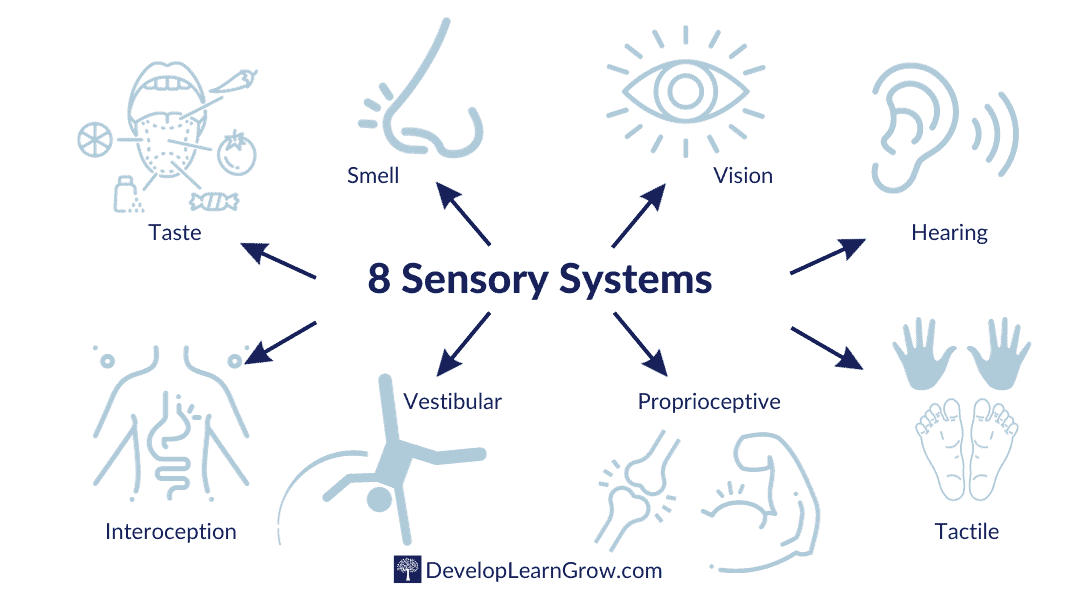
When you read a scene where a character drinks a cup of coffee, do you just see the liquid, or do you smell the roasted beans, feel the heavy ceramic mug, and hear the sharp clink of a spoon? Great writing bypasses mere observation and pulls you directly into the physical experience. This happens when writers use sensory details to activate sight, sound, smell, taste, and touch.
Sensory details are specific descriptions that appeal to the five physical senses. Instead of telling a reader that a room is unpleasant, you show them through the sticky yellow film on the wallpaper and the sour tang of stagnant water. This technique grounds abstract ideas in physical reality, transforming flat prose into a vivid world that readers can inhabit. If your writing feels dry or distant, mastering these five sensory dimensions changes everything.
The Cognitive Science Behind Sensory Language
Your brain doesn't process descriptive language as a string of abstract symbols. When you read about physical actions or textures, the brain activates the same neural networks you would use to experience those things in real life. Functional MRI studies show that reading action words stimulates the motor cortex, while descriptive words about textures or temperatures light up the sensory cortex.
When a writer describes a "velvet curtain," the brain's tactile processing regions briefly simulate the sensation of touching soft fabric. This neurological phenomenon is called grounded cognition. Because the human brain evolved to navigate physical environments rather than decode written language, it relies on sensory cues to understand and retain information.
Abstract words require heavy cognitive effort to decode. If you write that a character was "anxious," a reader has to translate that concept into a generic mental image. If you write that "his thumbs beat a frantic tattoo against the steering wheel while his palms slicked the vinyl," the brain immediately constructs a tangible moment of tension. Sensory language reduces cognitive load, making text easier to process and much harder to forget.
The Five Pillars of Sensory Writing
To build a rich scene, you must move beyond the dominant sense of sight. Most writers lean heavily on visual descriptions, leaving the other four senses underutilized. A balanced approach requires intentional attention to each sensory channel.
Sight Beyond Color
Visual description goes far beyond naming colors. Think about light quality, movement, scale, and texture. Harsh midday sunlight flattens details, casting sharp, unforgiving shadows, while the amber glow of a single desk lamp creates intimacy and conceals the corners of a room.
- Light and Shadow: Describe how light interacts with surfaces, such as dust motes dancing in a slanting beam or grease gleaming on a mechanic's forearm.
- Scale and Proportion: Contrast tiny details against massive backdrops, like an ant crawling across a grand piano or a massive clock tower looming over a narrow cobblestone alley.
- Movement and Rhythm: Observe the erratic fluttering of a moth against a windowpane or the steady, hypnotic rise of steam from a manhole cover.
Sound That Sets the Scene
Sound adds immediate atmosphere and pacing to a scene. Silence can be just as deafening as a siren, carrying its own weight through the hum of a refrigerator or the ticking of a wall clock. When including sounds, look for precise verbs and nouns rather than generic descriptors.
- Loudness and Tone: Instead of a "loud noise," use a sharp crack, a muffled thud, or a high-pitched whine.
- Texture of Sound: Differentiate between the dry rustle of autumn leaves and the wet squelch of mud under heavy boots.
- Pacing: Intermittent sounds, like a leaking faucet drip, create natural tension by making the reader wait for the next impact.
Smell and Memory
Olfactory receptors connect directly to the limbic system, the brain's emotional and memory center. This is why a specific scent can instantly transport you back to childhood or make you feel nauseous before you even register why.
- Everyday Scents: Use specific aromas like scorched toast, damp wool, or cheap floral perfume rather than vague words like "bad smell" or "nice fragrance."
- Contextual Scents: Contrast natural smells with artificial ones, such as the sharp bite of bleach masking the damp odor of an old basement.
- Emotional Triggers: Associate scents with specific characters or settings to anchor them in the reader's memory from the first introduction.
Taste and Physical Reaction
Taste isn't just about food. It involves any flavor that hits the tongue, whether from a meal, a coin held between teeth, or the metallic tang of fear in the back of your throat.
- Flavor Profiles: Balance basic tastes—sweet, sour, salty, bitter, and umami—to create complex impressions, like the bitter edge of burnt espresso mixed with sweet cream.
- Involuntary Reactions: Describe the physical response to taste, such as the sharp wince caused by a sour lemon or the dry mouth that accompanies public speaking.
- Subtle Tastes: Incorporate ambient tastes, like the salty spray of ocean air on your lips during a storm.
Touch and Tactile Contrast
Tactile descriptions involve both external touch—textures, temperatures, pressures—and internal physical sensations, like a tight chest or aching muscles.
- Temperature: Contrast hot and cold surfaces, such as pressing a burning forehead against a cold windowpane.
- Texture and Weight: Describe how objects feel in the hand, whether it's the rough grain of unpainted wood or the heavy, sagging weight of a wet wool coat.
- Physical Strain: Note the sting of a papercut, the gritty feel of sand in your eyes, or the dull ache of standing on concrete for hours.
How to Balance Sensory Details in Your Writing
Pouring every sensory detail into every sentence creates sensory overload. If every character notices the exact scent of the floorboards and the precise shade of blue in a stranger's eyes, your pacing grinds to a halt. Balance requires selectivity and focus.
Match your sensory choices to the mood of the scene. In a tense confrontation, focus on sharp, jarring sensations: the blinding flash of a neon sign, the abrasive scrape of a chair leg on concrete, or the cold sweat beading on a forehead. In a calm, reflective moment, shift toward softer inputs: the low hum of distant traffic, the comforting warmth of a wool blanket, or the rich aroma of baking bread.
Prioritize unusual or specific details over clichés. Readers already know that grass is green and fire is hot. Surprise them by noting the pale, bleached roots of trampled grass or the dry, papery snap of a dying leaf.
According to the National Institutes of Health, sensory processing in the human brain relies heavily on contrast and change. Your writing should reflect this by highlighting shifts in the environment. A sudden drop in temperature or the abrupt cessation of background noise grabs attention much faster than a static description of a room.
Common Mistakes to Avoid
Even experienced writers sometimes fall into traps that weaken their descriptive passages. Watch out for these common errors when revising your work.
- Adverb Overload: Don't rely on adverbs to prop up weak descriptions. Instead of writing that someone spoke "coldly," describe the frosty vapor of their breath in the cold air.
- The Thesaurus Trap: Avoid obscure or archaic words just for the sake of sounding sophisticated. Simple, highly specific nouns and verbs pack a much stronger punch than flowery adjectives.
- Sensory Dumping: Don't cram all five senses into every single paragraph. Let scenes breathe by focusing on one or two dominant senses at a time.
- Ignoring Internal Sensations: Remember that touch includes internal feelings. A character's racing pulse or heavy limbs are just as important as the textures they touch with their hands.
Frequently Asked Questions
What is the difference between showing and telling?
Telling states facts directly, such as "It was a cold winter morning." Showing uses sensory details to let the reader experience the moment, such as "Frost feathered the inside of the windowpane, and my breath plumed white in the unheated kitchen."
Do I need to use all five senses in every scene?
No. Trying to include all five senses in every scene makes your writing feel forced and mechanical. Choose one or two senses that best fit the mood and action of the specific moment.
How do I practice writing better sensory details?
Sit in a public place for ten minutes without your phone. Write down ten specific things you notice, challenging yourself to use at least one detail for sight, sound, smell, taste, and touch without using clichéd adjectives.
Can sensory details work in non-fiction and business writing?
Yes. Even in professional or technical writing, sensory language makes abstract concepts concrete. Describing a project as having "bureaucratic friction" or a workflow as "clunky and heavy" uses tactile metaphors to communicate complex operational realities clearly.



