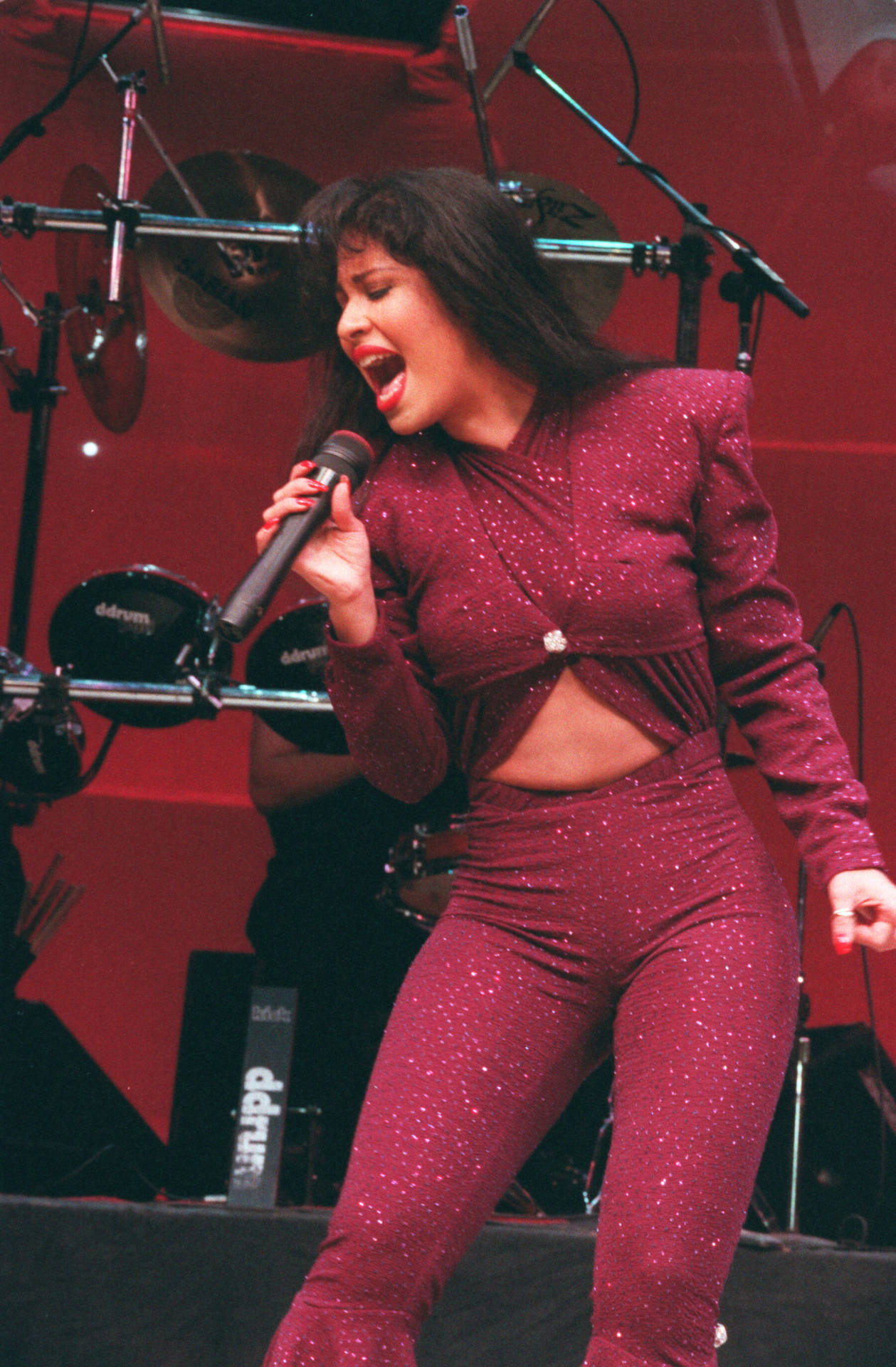
When Selena Quintanilla-Pérez was tragically killed at the age of twenty-three in 1995, she was on the verge of mainstream American crossover stardom. Her direct Selena Quintanilla net worth at the time of her passing was estimated to be around $5 million. While modest compared to modern pop moguls, this fortune reflected a self-made empire built through relentless touring, record sales, and emerging fashion ventures within a genre that had previously locked out women.
Beyond the initial estate valuation, her name and music catalog continue to generate millions annually. Understanding her financial footprint requires looking past surface-level rumors to examine how her catalog, clothing boutiques, and posthumous media projects shaped a lasting financial legacy.
Understanding Selena Quintanilla's Estate and Valuation
At the time of her death, financial audits placed Selena's direct personal estate at approximately $5 million. This money came from heavy touring schedules with Selena y Los Dinos, album royalties from EMI Latin, and earnings from her two clothing boutiques in Corpus Christi and San Antonio.
Many casual fans assume her estate instantly ballooned into hundreds of millions due to the massive success of the 1997 biographical film Selena and posthumous record sales. However, legal filings and estate reports over the decades show a more complex reality. Her father and manager, Abraham Quintanilla Jr., maintained strict control over the corporate entities managing her likeness, publishing rights, and master recordings.
The Inheritance Structure and Chris Pérez's Share
Following her death, Texas law dictated the division of assets. As her surviving spouse, guitarist Chris Pérez was entitled to a statutory spousal share of community property.
A legal battle initially brewed over control of her life rights and unreleased material, but the family reached an out-of-court settlement. Pérez retained a twenty-five percent net-profit participation interest in the estate's exploitation of Selena's name, image, and likeness. Public financial disclosures from legal disputes revealed that over a twenty-year span, Pérez's share amounted to roughly $3 million. This figure implied that the estate's net profits over that era hovered around $12 million total, proving that post-death earnings, while steady, faced high operational costs, legal expenses, and family-managed corporate reinvestments.
The Pillars of Her Financial Success
Selena didn't inherit wealth; she earned every dollar through grueling labor. Her financial rise was driven by three core areas:
- Record Sales and Royalties: As the undisputed Queen of Tejano music, she broke genre barriers. Albums like Entre a Mi Mundo and Amor Prohibido sold hundreds of thousands of physical copies, earning gold and platinum certifications from the RIAA. Her posthumous crossover album Dreaming of You debuted at number one on the Billboard 200, selling millions more copies globally.
- Touring Powerhouses: Live performance was the primary engine of the Quintanilla family business. Her historic 1993 concert at the Houston Astrodome drew over 57,000 fans, breaking attendance records and proving that Tejano acts could command massive stadium audiences.
- Entrepreneurship and Fashion: Selena was an active businesswoman. She designed her own stage costumes and opened two boutiques named Selena Etc., which offered clothing lines, accessories, and a full-service salon.
Posthumous Ventures and Modern Brand Valuation
Decades after her passing, Selena's brand remains a commercial force. Major corporate partnerships have introduced her legacy to younger generations who weren't alive in 1995.
In 2016, MAC Cosmetics launched a limited-edition makeup collection inspired by Selena's signature look. The line caused unprecedented site crashes and massive retail queues, demonstrating that her consumer appeal matched modern beauty influencers. Apparel collaborations with brands like Forever 21 further monetized her iconic visual aesthetic. Streaming platforms also provide a steady passive income stream, with her catalog pulling in hundreds of millions of streams annually across the globe.
Common Misconceptions About the Estate
Internet speculation often distorts the financial realities of deceased music icons.
One common myth is that Selena's family squandered her wealth immediately after her passing. In truth, Abraham Quintanilla established rigorous legal protections to guard her trademark, image, and audio recordings against unauthorized commercial exploitation. Another misconception is that her husband controlled her business empire; while Pérez owned a minority profit share, administrative control stayed firmly within the Quintanilla family corporation, ensuring that decisions regarding her image adhered to strict family oversight.
Frequently Asked Questions
What was Selena Quintanilla's net worth when she died?
Her net worth at the time of her death in 1995 was estimated at roughly $5 million, derived from active touring, regional record sales, and her retail clothing business.
Who manages Selena's estate today?
Her estate and intellectual property rights are managed primarily by her family, led by her father Abraham Quintanilla Jr. and her siblings, under corporate entities that control her music catalog and likeness.
How much money does Selena's catalog make now?
While exact annual figures fluctuate based on new merchandise lines, streaming royalties, and media projects like the Netflix series, her estate continues to generate steady, multi-million dollar annual revenues through global licensing, streaming, and National Endowment for the Arts cultural recognitions.
Did Selena own the rights to her master recordings?
Most of her early career master recordings were owned by independent Tejano labels like Freddie Records and later EMI Latin. Her family negotiated specific royalty structures, but traditional record deals meant the labels retained primary master ownership.


