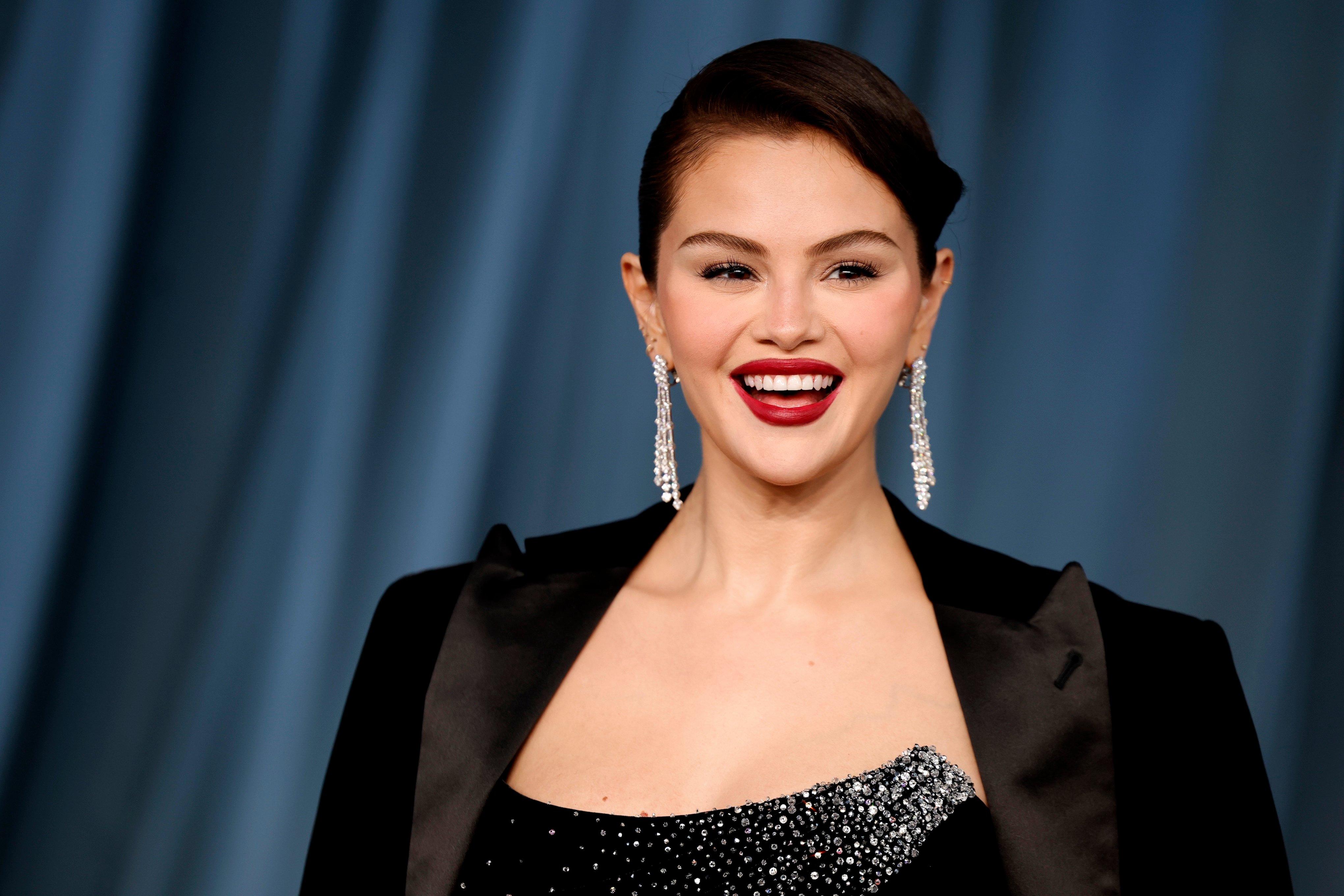
Selena Gomez's journey from a Disney Channel darling to a global pop force wasn't built on raw vocal gymnastics. Instead, it was forged through careful reinvention, stylistic pivots, and an evolving stage presence that mirrored her personal growth. While she hasn't toured extensively in recent years due to health battles, her live performance history tells a compelling story of an artist learning how to command a room on her own terms.
Evaluating her live artistry requires looking past standard pop metrics. From early band setups to sleek, minimalist arena productions, Gomez's stage career highlights how modern pop icons adapt when physical limitations and public scrutiny intersect with ambition.
The Disney and Band Years: Establishing a Live Footprint
The earliest phase of Gomez's live career began under the banner of Selena Gomez & the Scene. Backed by a live band, tours like A Year Without Rain and the We Own the Night Tour relied on high-energy, infectious electropop and upbeat rock-infused melodies.
- Vocal Constraints: Early shows often relied heavily on backing tracks to support her lighter, airy vocal register while executing choreography.
- Fan Connection: These intimate-to-mid-size venue shows prioritized high-octane fan engagement, establishing a loyal community that followed her transition from television to music.
- Repertoire: Setlists featured early hits like "Naturally" and "Love You Like a Love Song", focusing on pure bubblegum pop energy rather than theatrical spectacle.
The Solo Pivot: Stars Dance and the Move to EDM
Dropping the band format for her 2013 solo debut, Stars Dance, marked a sharp pivot toward sleek electronic dance music and club-ready anthems. The accompanying tour introduced a more mature visual aesthetic, complete with dynamic lighting, costume changes, and heavier bass lines.
However, this era also exposed the physical toll of constant touring. Gomez's lupus diagnosis forced the cancellation of the Asian and Oceanian legs of the Stars Dance Tour, serving as an early indicator that her live performance ambitions would need to balance carefully against her health requirements.
The Revival Era: Peak Theatrical Artistry
The defining peak of Gomez's live performance career arrived with the Revival Tour in 2016. Eschewing traditional bubblegum tropes, the concert was framed as a moody, artistic expression of independence and vulnerability.
- Minimalist Visuals: Rather than relying on chaotic props, the staging emphasized striking lighting grids, stripped-down acoustic interludes, and sharp, intentional choreography.
- Vocal Growth: Songs from Revival, such as "Good for You" and "Hands to Myself", suited her lower, sultry register far better than her older bubblegum tracks, allowing for a more confident live delivery.
- Transparency: Gomez frequently used the stage to connect on a human level, famously addressing her mental health and exhaustion transparently with fans before the tour was ultimately cut short.
According to Billboard, shifting away from traditional pop templates allowed artists of her generation to embrace a more intimate, mood-driven concert experience that favored atmosphere over sheer volume.
Health, Limitations, and the Shift to Studio Focus
Following the cancellation of the Revival Tour, Gomez's relationship with live performance shifted fundamentally. Managing lupus, a kidney transplant, and subsequent diagnoses meant traditional multi-month global tours became physically unsustainable.
Instead, her public performances became rare, highly curated events. Rather than grinding through standard tour cycles, she concentrated her creative energy on television projects like Only Murders in the Building and focused her musical output on streaming-first global hits like "Lose You to Love Me" and the massive collaborative track "Calm Down" with Rema.
Frequently Asked Questions
Does Selena Gomez still tour?
No, Selena Gomez has not embarked on a traditional concert tour since the Revival Tour in 2016. Health management and a focus on acting and executive producing have shifted her career away from live touring.
What was Selena Gomez's biggest concert tour?
The Revival Tour in 2016 was her most ambitious and critically noted solo trek, spanning North America, Asia, and Oceania before its cancellation. Prior to that, her final tour with her band was the We Own the Night Tour in 2011.
How has her vocal style changed in live settings?
Early in her career, Gomez relied on standard, high-energy pop belting that often strained against her natural range. Her later work leans into lower, breathier registers—often called "whisper pop"—which translates much more comfortably and effectively to live environments.
Will she ever return to the stage for a live tour?
While Gomez has not ruled out future one-off performances or festival appearances, she has publicly prioritized her health, mental well-being, and film/television career over the grueling demands of a world tour.


