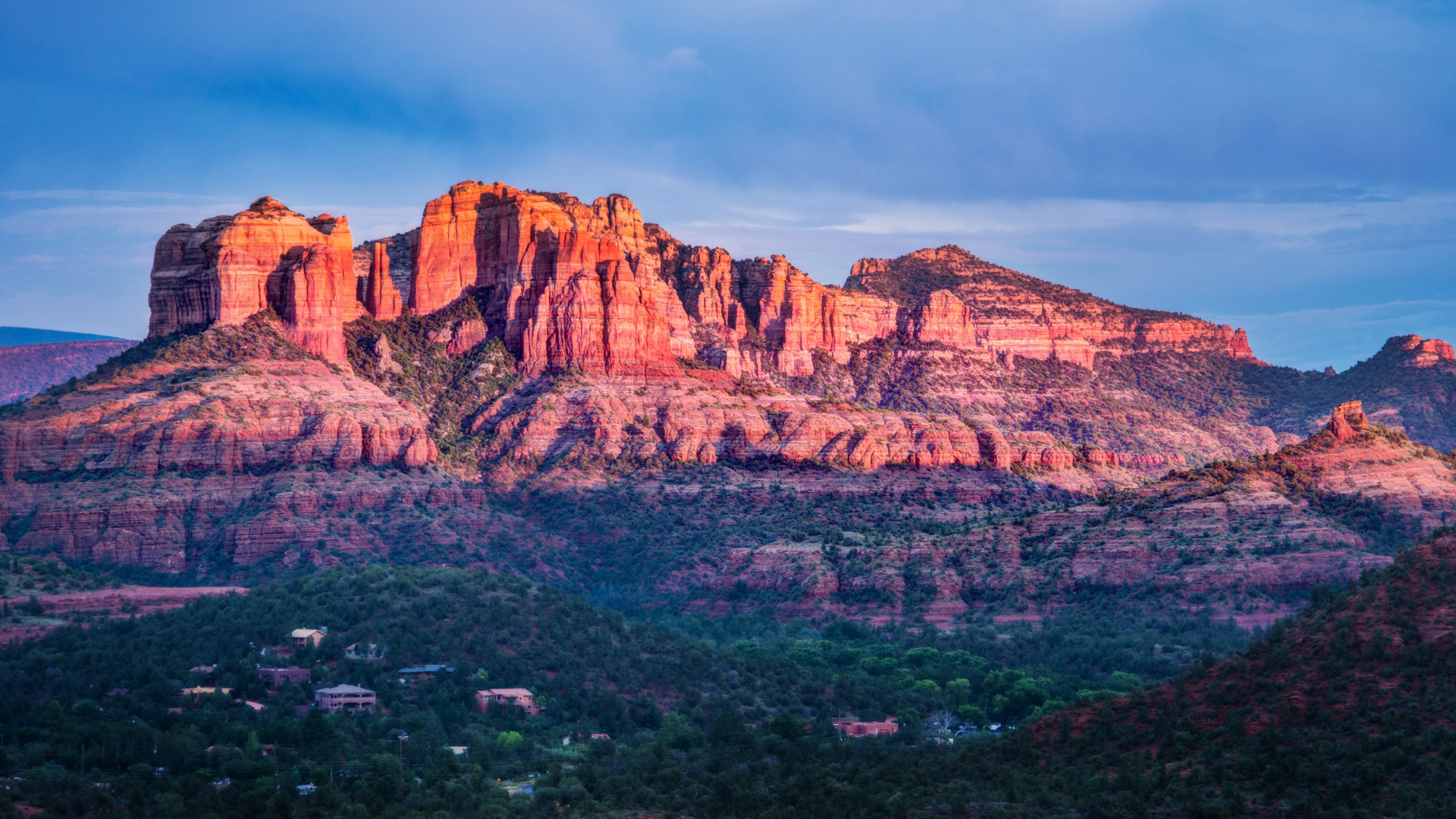
October brings some of the finest weather of the entire year to Sedona, Arizona. Daytime highs settle into a comfortable mid-70s to low 80s, while crisp desert nights drop into the 40s. Rain is rare, skies stay clear, and the blazing heat of summer finally breaks, making it prime time for exploring the red rocks.
If you're planning a trip during this peak autumn month, you need to understand how the shifting daily temperatures impact your packing list, trail timing, and photography plans. While many guides focus only on generic averages, we'll break down the exact microclimate shifts, common packing mistakes, and practical strategies to handle the October rush.
Understanding Sedona October Weather Patterns
The atmosphere in October transitions rapidly from summer warmth to stable autumn crispness. You'll experience a massive daily temperature swing—often 30 degrees or more between sunrise and mid-afternoon.
- Early October: Daytime highs hover around 80°F to 83°F, while mornings start crisp in the low 50s.
- Mid-October: Highs drop steadily into the mid-70s, with morning lows dipping near 45°F.
- Late October: Highs settle in the upper 60s to low 70s, and overnight temperatures frequently touch the upper 30s or low 40s in shaded canyons.
Precipitation stays exceptionally low, averaging less than an inch for the entire month. You won't have to worry about muddy trails or washout storms typical of the late summer monsoon season. Instead, expect dry air, humidity hovering between 30% and 40% during the day, and brilliant blue skies that saturate the red sandstone landscape.
What to Wear: Mastering the Layering Game
Because of those steep daily temperature swings, wearing the right gear makes or breaks your outdoor experience. Dressing in versatile layers is non-negotiable.
Start with moisture-wicking base layers for morning hikes. By 11:00 AM, as the sun beats down on exposed rock faces like Cathedral Rock or Bell Rock, you'll want to strip down to a t-shirt. For outer layers, pack a fleece or a durable canvas layer often called a cactus jacket to block the chill during early morning photography sessions or sunset stargazing.
- Footwear: Stick to sturdy, broken-in hiking boots with reliable traction. Slickrock can be deceivingly slippery if you're wearing worn-out sneakers.
- Sun Protection: Don't let the cooler air fool you. High-altitude sun in Arizona demands a wide-brimmed hat, polarized sunglasses, and broad-spectrum sunscreen.
- Hydration: Dry desert air accelerates dehydration even when you aren't sweating heavily. Carry more water than you think you need on every trail.
Check official park updates and safety guidelines via the USDA Forest Service Coconino National Forest website before heading out to remote trailheads.
Navigating Crowds and Golden Light
October is one of the most popular months to visit Sedona. The ideal weather attracts travelers from all over, meaning popular parking lots fill up early.
If you want to enjoy the famous golden light without fighting for parking, timing is everything. The sun casts a rich, dramatic glow across the red rock buttes during the first two hours after sunrise and the final hour before sunset.
- Be early: Arrive at major trailheads like Devil's Bridge or Boynton Canyon before 7:00 AM to secure a spot and enjoy peace on the trails.
- Utilize transit: Take advantage of the Sedona Shuttle system on weekends to bypass crowded parking restrictions at high-impact trailheads.
- Seek alternatives: Explore lesser-known paths or visit vortex sites during mid-day when tour buses crowd Uptown Sedona.
Common Mistakes to Avoid
Visitors often make a few predictable errors when traveling to Sedona in October. Avoiding these will save you time and discomfort.
- Underestimating morning cold: Packing only summer clothes will leave you shivering during sunrise hikes when temperatures sit in the 40s.
- Ignoring trail restrictions: Some areas experience temporary closures for wildlife protection or cultural preservation. Always verify open routes locally.
- Forgetting twilight darkness: Days get shorter rapidly through October. Sunset happens much earlier than it does in mid-summer, so always pack a headlamp if you plan a late hike down.
Frequently Asked Questions
Can you swim in Sedona in October?
Outdoor swimming pools and natural creeks are generally too cold for comfortable swimming in October. Daytime air might feel warm, but mountain-fed waters drop significantly as overnight temperatures plunge.
Do I need reservations for restaurants and tours in October?
Yes. Because October is peak tourism season, popular dining spots in Uptown and Tlaquepaque book out days or weeks in advance. Jeep tours and hot air balloon rides also fill up quickly.
Is Sedona crowded during weekdays in October?
Weekdays are noticeably calmer than weekends, but October remains busy overall. Visiting early in the morning is the best way to bypass the crowds regardless of the day of the week.
Does it ever snow in Sedona in October?
Snow at lower elevations in October is exceptionally rare. You might occasionally see a light frost on clear, calm nights late in the month, but snowfall is typically restricted to high-altitude peaks further north.


