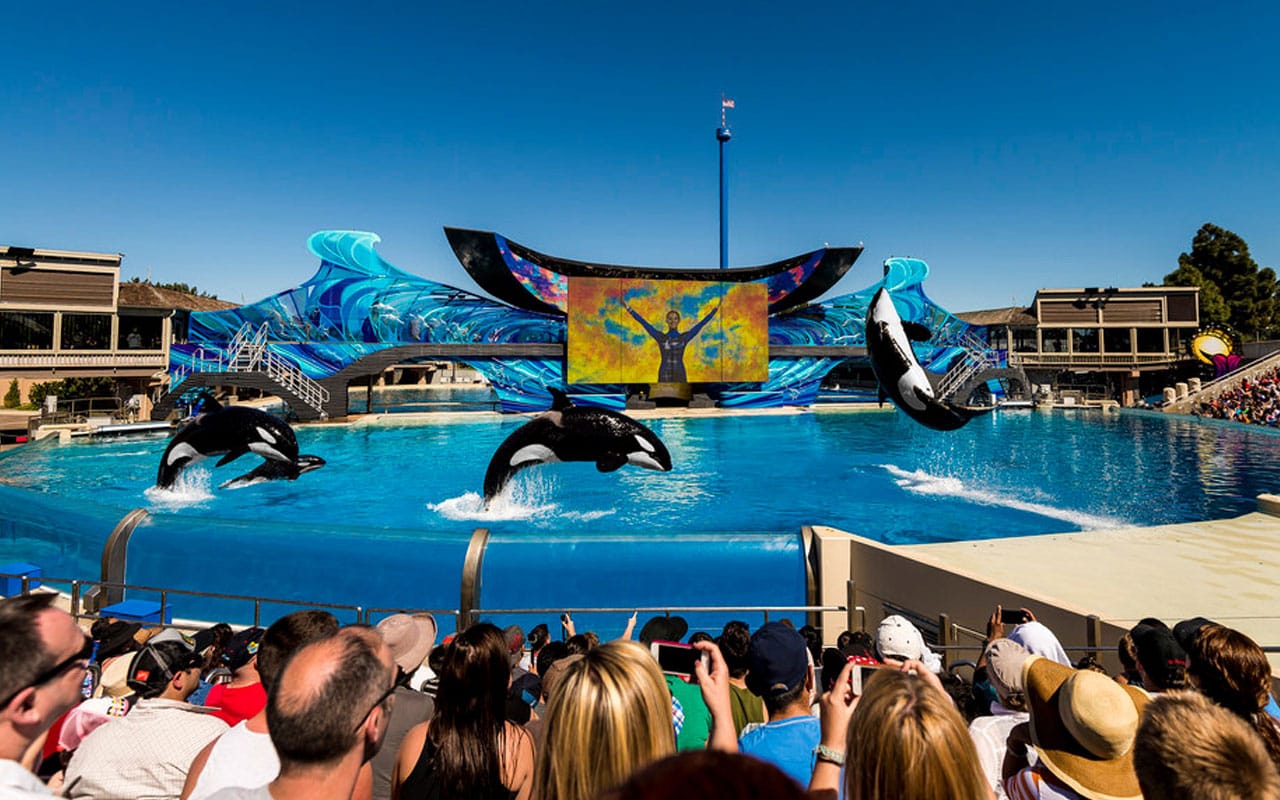
The death of senior trainer Dawn Brancheau at SeaWorld Orlando exposed the hidden dangers of keeping apex predators in confinement. When a twelve-thousand-pound orca named Tilikum pulled her underwater, it shattered the carefully constructed illusion that entertainment parks could safely manage wild marine mammals in close contact. This incident sparked intense global debate over animal welfare, worker protection, and the ethics of public performance.
For decades, marine parks marketed killer whales as gentle, eager performers. In reality, confinement strips these animals of their natural social structures, migration patterns, and vast ocean ranges. Understanding what went wrong requires looking past corporate public relations to examine regulatory citations, animal behavior science, and the permanent shift in how modern society views captive wildlife.
The Anatomy of the 2010 Incident
On February 24, 2010, visitors gathered at Shamu Stadium for a routine afternoon "Dine with Shamu" session and public performance. Tilikum, an orca with a history of involvement in previous human deaths, grabbed Brancheau by her ponytail and dragged her beneath the surface. Medical examiners later confirmed she died from severe blunt force trauma and drowning, having sustained fractured bones and torn tissue.
Federal investigators from the Occupational Safety and Health Administration (OSHA) launched an immediate probe. Their findings revealed that SeaWorld exposed employees to recognized hazards by allowing trainers to swim in close water contact with orcas. SeaWorld contested the citations, arguing that the risks were manageable and understood by professional staff. However, federal courts ultimately upheld OSHA's citations, ruling that the company placed worker lives at risk for the sake of entertainment.
Behavioral and Psychological Toll on Captive Orcas
Wild orcas swim up to one hundred miles a day and live in complex, matriarchal pods with lifelong familial bonds. In contrast, captive environments reduce their world to concrete enclosures a fraction of a percent the size of their natural habitat.
This stark deprivation leads to severe psychological and physical deterioration:
- Stereotypic behaviors: Captive whales frequently engage in repetitive actions, such as gnawing on steel gates or concrete walls, which destroys their teeth and leads to chronic dental infections.
- Fin collapse: Dorsal fin collapse occurs in nearly all captive male orcas due to the lack of hydrodynamic support from constant long-distance swimming and prolonged exposure to warm surface water.
- Social friction: Forcing unrelated whales into confined tanks creates high-stress social dynamics. Incompatible pairings often trigger severe aggression, leaving animals with nowhere to escape.
When animals experience chronic stress and frustration without an outlet, unpredictable aggression toward handlers becomes a biological inevitability rather than a random anomaly.
Regulatory Changes and Industry Shifts
The fallout from the 2010 tragedy forced a structural transformation across the marine entertainment sector. Federal rulings made it practically impossible for trainers to enter the water for performances without physical barriers. SeaWorld transitioned to a "protected contact" policy, ensuring a solid steel gate or acrylic wall always separates humans from the animals.
Public pressure also reshaped corporate strategy. Documentaries, changing consumer values, and declining ticket sales prompted SeaWorld to phase out its orca breeding programs and end theatrical tricks in favor of more naturalistic educational presentations. Other jurisdictions took stricter stances; for instance, Canada passed federal legislation banning the captivity and breeding of whales and dolphins for entertainment, setting a precedent for global animal protection laws.
Frequently Asked Questions
Could the 2010 attack have been prevented?
Federal safety investigations concluded that the incident was preventable. OSHA determined that eliminating free-water contact between trainers and orcas was the only way to remove the risk of fatal trauma.
Are trainers still allowed to swim with killer whales?
No. Following the OSHA rulings and subsequent legal appeals, major marine parks in the United States permanently banned water-work with killer whales. Trainers now interact exclusively through protective barriers.
What happened to Tilikum after the incident?
Tilikum remained at SeaWorld Orlando under specialized medical and behavioral care until his death from a bacterial infection in January 2017. He lived out his final years in secondary pools away from the main public performance tanks.
How do modern facilities monitor animal safety?
Accredited facilities rely on behavioral logging, regular veterinary assessments, and remote monitoring systems to track animal health and minimize stressors without relying on risky direct contact.



