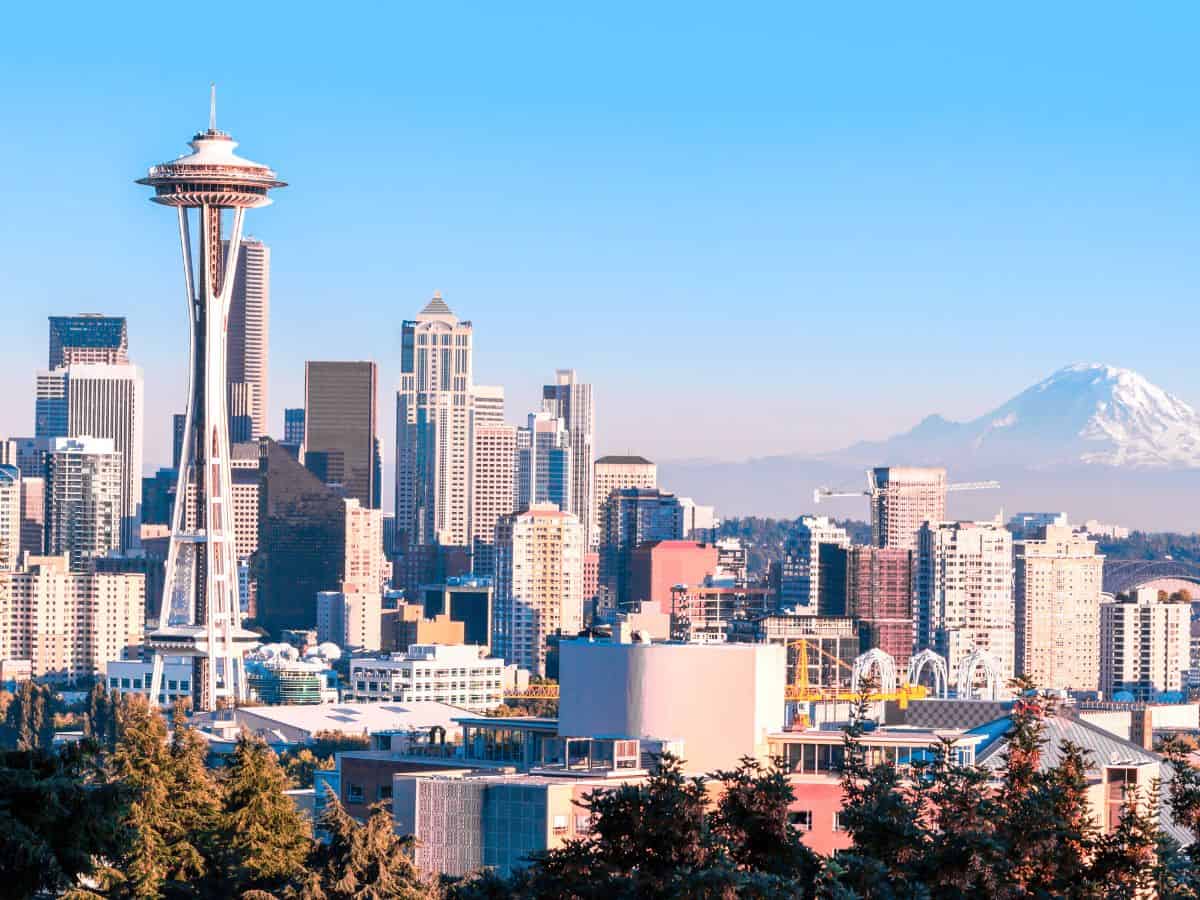
Navigating Seattle postal zones doesn't have to feel like decoding a map of the Pacific Northwest wilderness. Seattle WA zip codes stretch primarily from 98101 up to 98199, organized across distinct geographical sectors that each carry unique housing markets, transit options, and community vibes. Whether you're moving to the area or trying to pinpoint a specific neighborhood, understanding these boundaries helps you master the city's layout.
The city's postal layout is split into core regions: Downtown and the urban center, North Seattle's family neighborhoods, South Seattle's transit-oriented corridors, and the distinct peninsula of West Seattle. Let's break down how these codes map to actual streets, housing styles, and daily life.
Downtown and Central Seattle Zip Codes
The urban core of the city packs high-density business districts, historic architecture, and high-rise apartments into a tight grid. If you're looking for central living, these are the zones you need to know.
- 98101 (Downtown Core): This code covers the retail and primary commercial heart of the city, running from Pike Place Market down toward the freeway. Expect high-rise condos, bustling retail spaces, and heavy pedestrian traffic.
- 98104 (Pioneer Square and International District): Anchored by historic brick buildings, this area blends early Seattle history with vibrant cultural hubs and major healthcare infrastructure like Harborview Medical Center.
- 98121 (Belltown): Sited directly between the retail core and lower Queen Anne, Belltown offers dense apartment living, nightlife, and immediate access to the Seattle Waterfront.
- 98102 & 98122 (Capitol Hill and Eastlake): Capitol Hill (98122) and Eastlake (98102) form the cultural epicenter for arts, independent dining, and dense residential housing, stretching from Interstate 5 east toward Lake Washington.
North Seattle Residential Zones
Crossing north of the ship canal shifts the landscape toward craftsman homes, prominent parks, and established residential pockets.
- 98103 (Wallingford, Fremont, and Green Lake): This zone captures some of the city's most popular neighborhood commercial strips. Fremont brings eccentric art installations and tech offices, while Green Lake draws runners and families to its central body of water.
- 98105 (University District and Ravenna): Home to the University of Washington, this area mixes student housing with academic complexes, craftsman homes in Ravenna, and waterfront views along Laurelhurst.
- 98107 (Ballard): Known for its maritime heritage and industrial roots, Ballard features a booming restaurant scene, breweries, and historic brick storefronts along Market Street.
- 98115 & 98117 (Wedgwood, View Ridge, and Loyal Heights): These quiet, northern residential stretches offer classic mid-century homes, strong community schools, and close proximity to Puget Sound.
South Seattle and Industrial Corridors
South Seattle features an evolving mix of industrial zones, historic residential communities, and rapid transit expansion via the Link light rail network.
- 98108 (Georgetown and South Park): Tucked south of downtown, Georgetown leans into an artsy, industrial aesthetic with converted warehouses, studios, and independent eateries.
- 98118 (Columbia City and Rainier Valley): Recognized as one of the most culturally diverse zip codes in the country, Columbia City offers a historic commercial district, a vibrant farmers market, and light rail connectivity.
- 98144 (Beacon Hill and Mount Baker): Situated on the ridge overlooking downtown and the industrial flats, Beacon Hill provides sweeping views, community parks, and diverse culinary options.
West Seattle Peninsula
Separated from the rest of the city by the Duwamish Waterway, West Seattle operates almost like its own distinct town with a laid-back coastal attitude.
- 98116 (Alki and Admiral): Centered around Alki Beach, this zone features waterfront promenades, casual dining, and stunning views of the Olympic Mountains across Puget Sound.
- 98106 & 98126 (Delridge and Highland Park): Spanning the inland hills of West Seattle, these areas offer more accessible housing options, community green spaces, and growing neighborhood commercial nodes.
Common Mistakes When Navigating Seattle Postal Zones
People moving to the Pacific Northwest often make a few predictable errors when dealing with local addresses. Don't fall into these common traps.
- Confusing mailing addresses with municipal limits: Some areas just outside official city limits use Seattle mailing addresses even though they fall under suburban jurisdictions like Shoreline or unincorporated King County. Always check official tax parcels if city services matter for your property.
- Assuming geographic proximity by number: Sequential zip codes do not always sit next to each other. Postal routes evolved based on mail carrier logistics rather than strict grid patterns.
- Underestimating commute barriers: Crossing the ship canal bridges or the West Seattle Bridge can drastically alter your daily travel time, regardless of how close a zip code looks on a flat 2D map.
Frequently Asked Questions
How many zip codes are in Seattle?
The city contains roughly 40 active postal codes, spanning standard delivery routes, distinct commercial boxes, and unique institutional identifiers.
What is the most populated zip code in Seattle?
While populations shift with new multi-family housing developments, dense residential zones like 98103 (Wallingford/Green Lake) and 98115 (Wedgwood/Ravenna) consistently rank among the most populated due to heavy single-family density and apartment complexes.
Do Seattle zip codes dictate school boundaries?
Public school assignments are managed by Seattle Public Schools based on designated attendance areas rather than strict zip code lines, though certain neighborhoods naturally feed into specific local schools.
Which zip code includes the Space Needle?
The Space Needle sits in the 98109 postal zone, which covers Lower Queen Anne and parts of the South Lake Union tech hub.


