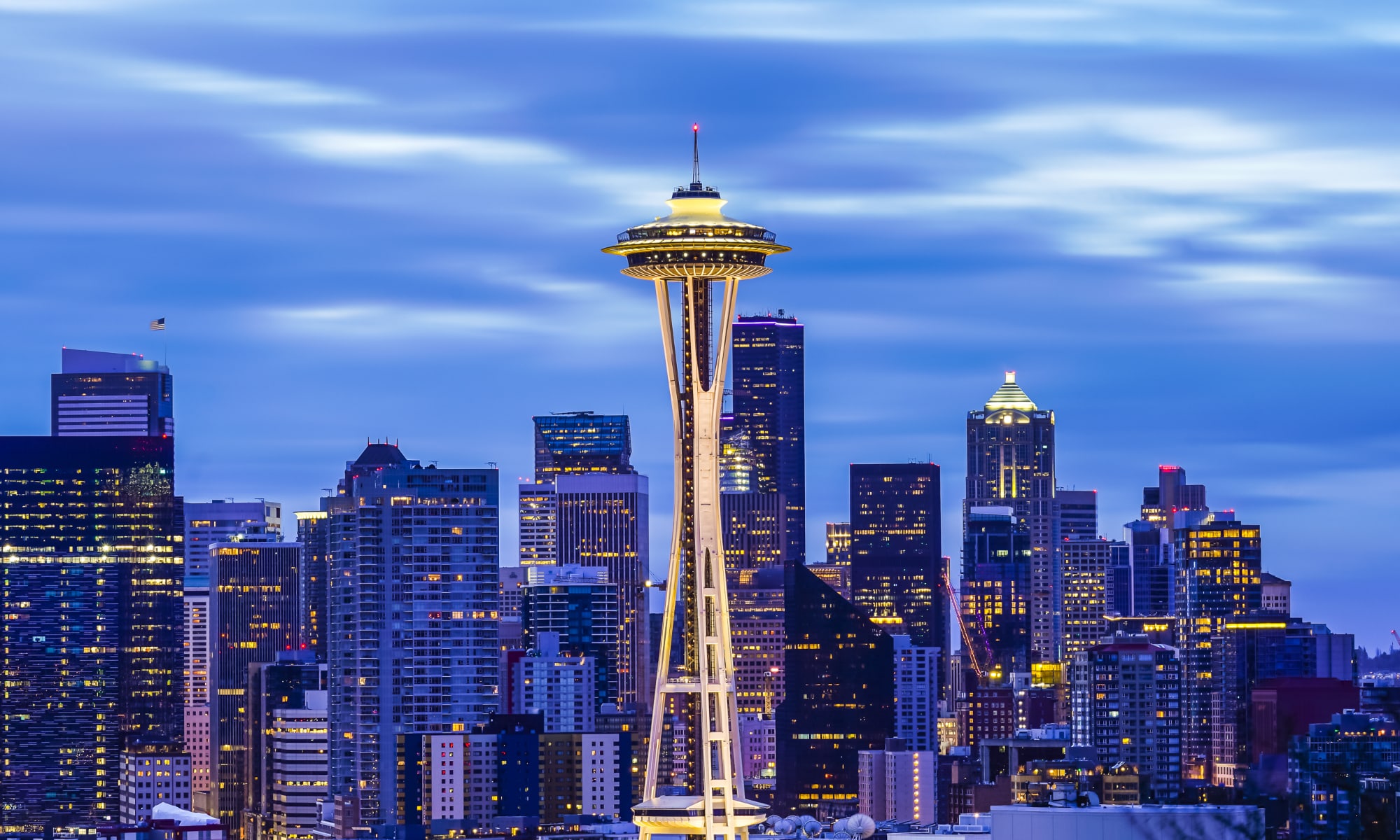
Regional humor carries a distinct weight when it reflects a landscape shaped by relentless mist, tech wealth booms, and fiercely independent subcultures. Editorial cartoons and comic features published in regional outlets like The Seattle Times do more than fill empty space beside the Sunday crosswords. They serve as cultural mirrors, capturing the absurdities of daily life in the Pacific Northwest with a dry, self-deprecating wit. Navigating the boundaries of humor and humanity in this specific corner of the continent requires a delicate balance between local satire and universal empathy.
Local cartoonists and comic artists working within the Puget Sound ecosystem face a unique challenge. How do you satirize a population known for passive-aggressive politeness, an obsession with outdoor recreation, and a weather pattern defined by nine months of gray skies without sounding repetitive or mean-spirited? The answer lies in observational storytelling that respects the quirks of the region while grounding every punchline in recognizable human experiences.
The Roots of Pacific Northwest Comic Tradition
Humor in the Pacific Northwest has historically leaned toward dry understatement rather than loud, Borscht Belt theatrics. From early newspaper illustrations to modern graphic novels, local cartoonists have tapped into a regional psyche that prizes independence, environmental consciousness, and a healthy skepticism of corporate overreach.
When regional publications showcase comic art, they tap into a long-standing tradition of visual commentary. Artists like David Horsey, whose Pulitzer Prize-winning editorial cartoons appeared in regional papers for decades, mastered the art of combining biting political critique with a distinctly Northwest flavor. Editorial and strip cartoonists alike understand that the local audience values intelligence and subtlety. If a joke relies on broad caricature without acknowledging the nuanced reality of living in cities like Seattle, Tacoma, or Olympia, it falls flat.
- Dry Understatement: PNW humor avoids forced bombastic energy, favoring deadpan observations about traffic on the I-5 or the eternal debate over whether to use an umbrella.
- Environmental Irony: The juxtaposition of pristine wilderness with hyper-modern tech campuses provides endless visual and conceptual fodder.
- Cultural Insularity: Poking fun at the classic "Seattle Freeze"—the notorious difficulty of making friends with established locals—remains a perennial favorite.
Balancing Satire and Empathy in Local Art
Humor turns toxic the moment it punches down. In a diverse and rapidly changing region like Western Washington, cartoonists must navigate shifting demographic lines, economic displacement, and cultural tensions. Effective local comic art maintains warmth even when pointing out absurd flaws.
Consider how cartoonists address the massive influx of tech wealth and housing affordability crises. A cheap joke might mock newcomers or tech workers uniformly, but sophisticated comic writing looks at the collective anxiety shared by everyone trying to afford rent from Ballard to Capitol Hill. By focusing on shared struggles—like dodging rogue electric scooters in bike lanes or hunting for a patch of sunlight in November—the humor becomes unifying rather than alienating.
Humanity in comic art emerges from vulnerability. When a character in a local strip expresses quiet despair over a dead tomato plant during an unseasonable cold snap, readers see their own domestic disappointments reflected back at them. This shared recognition builds community connection across neighborhoods that might otherwise feel culturally siloed.
The Visual Language of the Gray
The aesthetic choices made by Pacific Northwest comic artists often reflect their physical environment. Muted color palettes, heavy use of ink wash, and detailed backgrounds depicting mossy conifers, gray skies, and rain-slicked pavement ground the humor in a specific geography.
[Character looking out a rain-streaked window]
"Is it spring, autumn, or deep existential dread?"
"Hard to tell, the moss looks identical."
This visual shorthand communicates mood instantly. Readers living in the Puget Sound don't need a caption explaining why a character is clutching a third cup of pour-over coffee; the atmosphere does the heavy lifting. By weaponizing regional weather against urban stress, artists create a comedic sanctuary where shared misery becomes a form of collective bonding.
Common Pitfalls in Regional Satire
Writers and artists attempting to capture the spirit of the Pacific Northwest frequently stumble into predictable traps. Recognizing these mistakes helps explain why certain comic features resonate for decades while others fade quickly.
- Overusing Clichés: Relying exclusively on coffee, rain, and grunge tropes without updating them for contemporary realities feels lazy to modern audiences.
- Punching Down: Mocking unhoused populations, recent immigrants, or working-class tradespeople alienates readers and violates the core humanistic mandate of good art.
- Ignoring Economic Realities: Ignoring the stark contrast between sprawling tech wealth and working-class displacement makes a comic feel out of touch with actual neighborhood experiences.
- Inauthentic Slang: Forcing outdated regional terminology or regional stereotypes that locals never actually use breaks immersion immediately.
Frequently Asked Questions
What defines Pacific Northwest comic humor?
It relies primarily on deadpan delivery, self-deprecation, observational irony, and a deep awareness of local geography, weather patterns, and shifting socio-economic dynamics.
How do local cartoonists handle regional identity changes?
Successful artists focus on universal human experiences—such as housing stress, community isolation, and adapting to rapid urbanization—rather than relying on static, outdated stereotypes.
Why is subtlety valued so heavily in Pacific Northwest art?
The regional culture historically values understated communication, environmental mindfulness, and quiet introspection, which naturally translates into a more nuanced comedic style.
Where can readers find prominent local comic and cartoon art?
Regional newspapers like The Seattle Times feature local editorial cartoons, illustrated journals, and comic strips that document everyday life in the Pacific Northwest.


