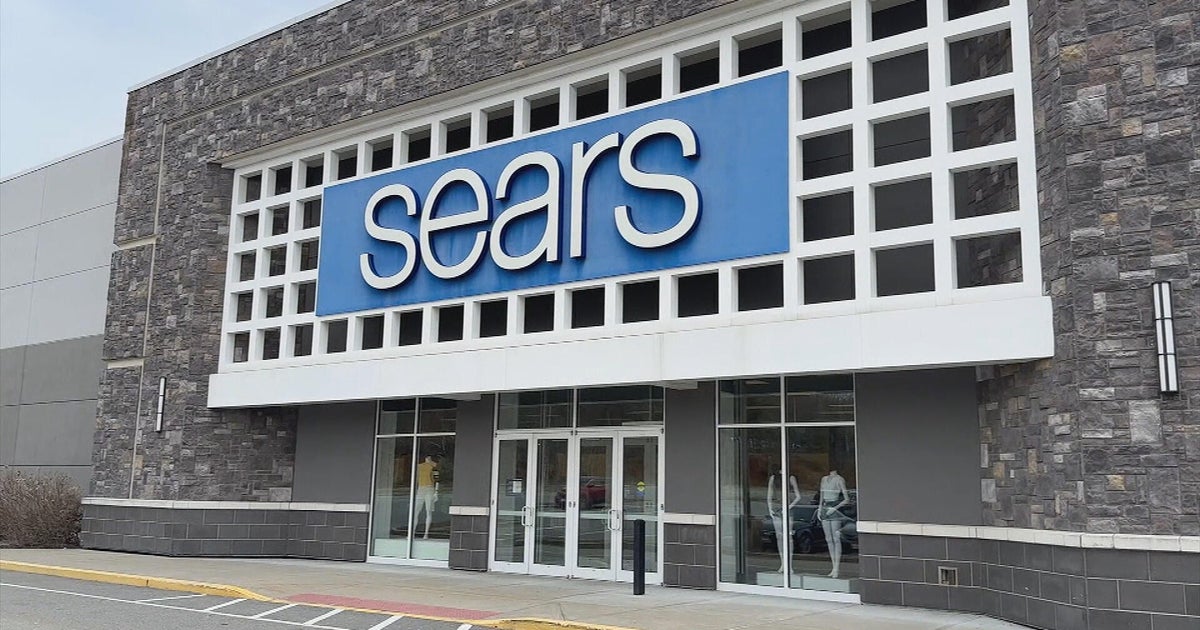
Sears isn't the retail titan it used to be. Its once-massive footprint of department stores has shrunk to a handful of surviving locations, leaving millions of consumers wondering what happened to the plastic card sitting in the back of their wallets. If you still have a legacy Sears credit card or wonder about its current standing, you aren't alone.
The traditional Sears credit card, managed by Citibank, occupies a strange middle ground between active financial accounts and retail history. While you can't walk into a bustling, crowded Sears mall anchor store like it's 1995, the underlying credit infrastructure hasn't vanished. Existing accounts remain functional under specific conditions, and the rewards ecosystem has pivoted toward online platforms like Shop Your Way.
Understanding how these accounts operate today helps you decide whether to keep an old account open, pay off a remaining balance, or finally close a chapter on a bygone retail era.
The Reality of Legacy Sears Credit Accounts
Department store credit cards carry a unique legacy. Decades ago, families relied on store cards to finance major appliances, holiday gifts, and lawn equipment through deferred interest promotions. When Sears holdings contracted dramatically through bankruptcy protection and massive store closures, account holders feared their credit lines would evaporate overnight.
Instead, accounts migrated through institutional servicing agreements. Citibank continues to service legacy Sears credit card portfolios. If you hold a card that features the Sears brand, it typically functions in one of two ways depending on the exact card type issued:
- The Sears Store Card: Restricted primarily to purchases made directly through Sears or affiliated online portals, though availability changes as the merchant footprint shrinks.
- The Sears Mastercard: A co-branded card featuring the Mastercard logo, allowing you to use it anywhere Mastercard is accepted worldwide, while still earning loyalty perks tied to historical retail partnerships.
Accounts in good standing remain open unless closed by the cardholder or terminated by the issuer due to prolonged inactivity. If you haven't touched your card in years, don't assume it's automatically gone; inactive accounts often sit quietly until a review triggers closure or fraud prevention locks them down.
Managing Your Balance and Making Payments
If you still owe a balance on an older Sears account, or if you use a legacy card for residual purchases, tracking your statements requires specific digital channels. Because Sears physical customer service desks inside stores are largely gone, you can't drop off a check or pay a bill with a local store associate.
Instead, account management happens through digital portals or traditional mail. You can log into the Citibank online interface dedicated to Sears accounts to check balances, review transaction history, and schedule monthly payments. Alternatively, automated phone systems allow cardholders to check balances and route payments without speaking to a live agent.
Ignoring an old store card because the local brick-and-mortar storefront closed is a costly mistake. Outstanding balances continue to accrue interest, and missed payments damage your credit score regardless of whether the retail chain is thriving or fading.
Impact on Your Credit Score
Many consumers wonder if keeping an old Sears card open helps or hurts their credit health. The answer depends on your overall credit profile, primarily focusing on two factors:
- Credit Utilization: Keeping an old, zero-balance retail card open contributes to your total available credit, which helps lower your overall credit utilization ratio.
- Average Age of Accounts: Age matters significantly in credit scoring models. Closing a card you've held for fifteen years can shorten your average account age and cause a temporary dip in your score.
However, if the card carries an annual fee—some legacy versions did—or if you struggle with temptation spending, keeping it active makes little financial sense. Closing an account with zero balance won't instantly ruin your financial standing, provided you maintain a healthy mix of other revolving credit lines.
Transition to Shop Your Way
As physical retail diminished, the loyalty infrastructure shifted toward the Shop Your Way program. Rather than tying rewards strictly to a physical Sears cash register, the program expanded to cover everyday spending categories like fuel, dining, and online marketplaces.
Co-branded cards linked to this ecosystem allow users to accumulate points that translate into statement credits or partner redemptions. While it's a far cry from the classic catalog days, this evolution keeps the underlying financial mechanism alive for dedicated loyalists who still purchase appliances or tools through online channels.
Frequently Asked Questions
Can I still apply for a new Sears credit card?
Traditional standalone Sears store cards are generally no longer open to new general public applicants in the traditional sense, though partner credit offers and Shop Your Way financial products continue to evolve through issuing banks.
Where do I mail my Sears credit card payment if I don't use online banking?
You can find the correct payment remittance address by checking the bottom of your most recent monthly billing statement or by calling the customer service number listed on the back of your card. Never mail payments to old local store addresses.
Does closing an old Sears card hurt my credit score?
Closing an older account can lower your overall available credit limit and eventually reduce the average age of your credit history once the closed account falls off your report after ten years. If the card has no annual fee, keeping it open with a zero balance is often recommended unless you prefer minimizing open accounts.
What happens if I lost my legacy Sears card but still have an active account?
You can request a replacement card by contacting Citibank customer service for Sears accounts. They will verify your identity, close the compromised card number, and mail a new card to your updated address on file.



