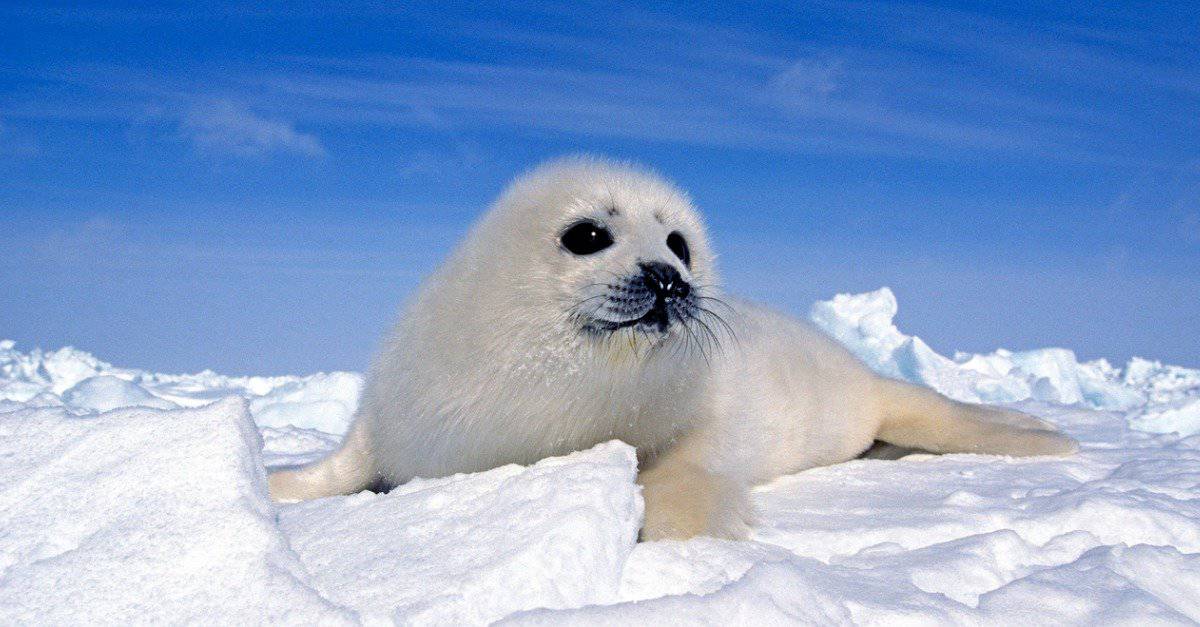
When you spot a wild seal hauled out on a coastal rock, you'll often notice pale lines, jagged tears, or missing patches of fur across its muzzle and eyes. These marks aren't random flaws. They're permanent records of survival in a high-stakes marine environment where predators, rough terrain, and human hazards constantly threaten life.
For marine biologists and wildlife researchers, these markings act as natural biographies. They document encounters with apex predators, dangerous entanglements in discarded fishing gear, and territorial disputes over breeding grounds. Examining these marks gives scientists a clear window into the daily pressures wild populations face across our changing oceans.
How Seal Skin and Scar Tissue Heal
A seal's body is built to handle extreme aquatic environments, but skin injuries trigger complex biological responses. Beneath a seal's fur lies a dense, fibrous dermis packed with collagen and specialized tissue designed to insulate against freezing waters and withstand blunt trauma.
When an injury breaks through this protective layer, the healing process begins immediately. Platelets seal the wound, and inflammatory cells clear out bacteria before fibroblasts begin laying down new collagen fibers.
- Collagen Remodeling: Over months, disorganized scar tissue reorganizes into tough, durable collagen bundles that resist future mechanical stress.
- Pigmentation Shifts: Healed wounds often accumulate extra melanin or lose it entirely, leaving the skin distinctly darker or starkly white compared to surrounding fur.
- Hair Follicle Loss: Because deep wounds destroy hair follicles, scars remain permanently hairless and smooth, making them easy to spot from a distance.
While these physical adaptations close wounds quickly, healing leaves lifelong markers. These alterations don't just show that an animal survived a dangerous event; they often alter how the individual interacts with its pod, finds food, and defends territory.
Primary Causes of Facial Injuries
Wild seals encounter numerous physical threats throughout their lifespans. The unique placement of facial scars often points directly to specific types of trauma experienced during feeding, migration, or social conflicts.
+-------------------------------------------------------+
|                Common Sources of Seal Scars           |
+-------------------------------------------------------+
| 1. Shark bites & killer whale attacks (jagged tears)  |
| 2. Net entanglements & discarded lines (linear cuts)  |
| 3. Territorial male sparring (puncture wounds)        |
| 4. Vessel collisions & propeller strikes (blunt force)|
+-------------------------------------------------------+
Predator Attacks and Territorial Fights
Apex predators like great white sharks and orcas leave distinctive signatures. Shark bites usually result in massive semicircular gouges, while smaller puncture wounds and parallel rake marks often come from defensive prey or rival males during breeding season.
Male seals, such as elephant seals and fur seals, engage in violent physical clashes for dominance on crowded beaches. Their canine teeth inflict deep, linear facial wounds across the snout and eyes. Animals that survive these encounters carry permanent evidence of their dominance hierarchy struggles.
Human-Induced Hazards
Human activity introduces severe new risks to marine mammals. Discarded monofilament lines, packing bands, and commercial gillnets frequently wrap around a seal's head or neck. As the animal grows or struggles to free itself, the synthetic material slices deep into the flesh, creating raw linear abrasions that heal into thick, permanent grooves.
Collisions with boat hulls and propellers also leave devastating marks. Watercraft impacts typically cause symmetrical contusions, crushed bone structures, and linear lacerations across the forehead or snout. Tracking these human-caused injuries helps researchers pinpoint high-traffic marine zones where speed limits or gear regulations need tighter enforcement.
Using Natural Marks for Non-Invasive Research
Historically, tracking marine mammals required tagging programs that caused stress and required physical capture. Today, field biologists rely on photo-identification databases that catalog individual animals using their unique facial scars.
"A well-documented scar pattern helps us track migration routes, breeding success, and mortality without invasive tagging," notes Marcus Lin, a field biologist with the North Atlantic Seal Research Consortium.
By snapping high-resolution photographs of hauling sites year after year, researchers match scar configurations to specific individuals. This non-invasive approach lets scientists monitor population health, track lifespan milestones, and estimate local survival rates accurately.
Furthermore, analyzing scar distribution across a population reveals shifting environmental pressures. If researchers notice a sudden spike in net-related facial trauma within a specific colony, local authorities can investigate regional fisheries and modify waste management protocols to protect marine wildlife.
Cultural and Conservation Significance
Beyond scientific metrics, a scarred seal captures public attention in ways pristine animals rarely do. These visible reminders of hardship humanize wildlife for casual observers, turning an abstract conservation statistic into a compelling individual story.
Environmental organizations frequently use photographs of rehabilitated seals with distinct facial marks to drive awareness campaigns. When people see that a specific animal survived a discarded net or a shark encounter, they connect more deeply with broader marine preservation efforts.
Ultimately, these physical marks transform simple animals into ambassadors for ocean health. They remind us that our industrial footprint reaches into the deepest waters, leaving permanent traces on the creatures that call the sea home.
Frequently Asked Questions
Do seals feel pain from old facial scars?
Once a wound fully heals and the collagen remodels, old scars generally don't cause ongoing physical pain. However, areas with significant nerve damage may have reduced sensitivity, and scar tissue lacks sweat glands and hair follicles, making it more vulnerable to extreme cold.
How do researchers tell individual seals apart using scars?
Biologists look at the exact placement, length, and shape of healed tissue around the eyes, whiskers, and snout. Much like a human fingerprint, these configurations remain unique to each animal and don't change significantly once fully healed.
Can facial scars affect a seal's ability to hunt?
Usually, seals adapt remarkably well. However, severe trauma around the whiskers—which seals use to detect underwater vibrations and prey movement—can occasionally impact foraging efficiency, forcing the animal to rely more heavily on vision and hearing.
Are scars more common in male or female seals?
Scars appear frequently in both sexes, but adult males often carry more facial injuries due to aggressive territorial combat during the breeding season. Females more commonly acquire scars from predator interactions or accidental entanglement in marine debris.



