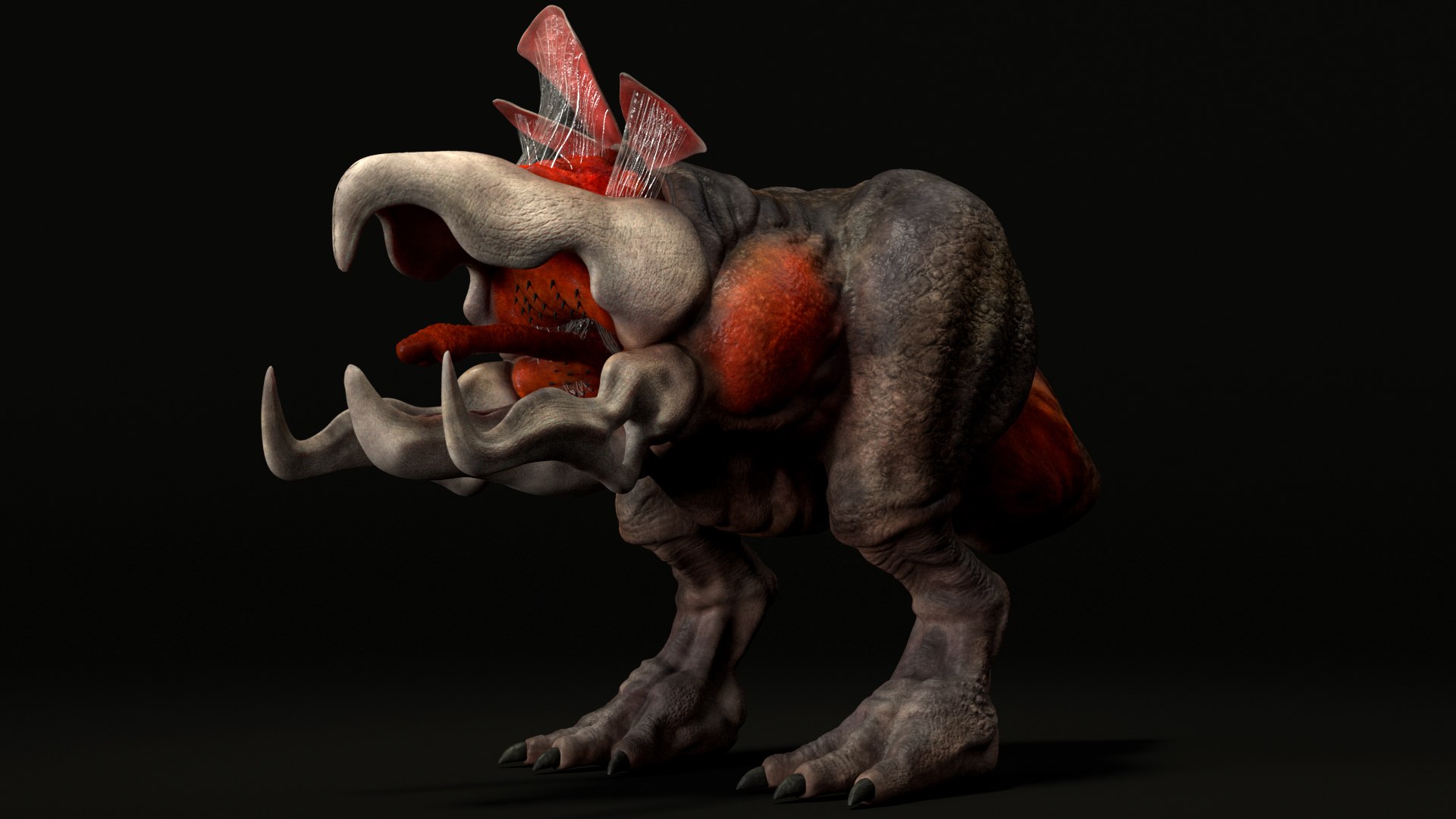
In the fictional universe of the SCP Foundation, keeping anomalous artifacts, entities, and phenomena under wraps requires a universal system of risk assessment. When an agent spots a new anomaly in the field, they don't just write a description; they assign a standard primary SCP object class. This label tells researchers, guards, and mobile task forces how hard it'll be to keep the anomaly locked down and what happens if containment fails.
Understanding these classifications is essential for anyone diving into the collaborative writing project. The system isn't based on how dangerous an object is, but rather on how much effort it takes to keep it secured. This guide breaks down the primary categories, secondary tags, reclassification rules, and the practical realities of managing anomalous hazards.
The Core Classification Philosophy
The Foundation's classification system relies on the Box Test, a simple mental model created by community writers to explain how primary classes work. If you lock an object in a box and walk away, what happens?
- If it stays put and causes no trouble, it's Safe.
- If you don't know what it'll do inside the box, it's Euclid.
- If it breaks out of the box and threatens everyone, it's Keter.
This mental model highlights that object classes measure containment difficulty, not raw destructive power. A nuclear bomb might destroy a city, but it's physically stable in a secure vault, making it technically "Safe" by strict Foundation logic. Meanwhile, a harmless telepathic housecat that teleports randomly might require heavy containment, pushing it into Euclid or Keter territory.
Primary SCP Object Classes
Most files in the database use one of three main classes to establish baseline security protocols.
Safe Class Anomalies
Safe-class anomalies are anomalies that are reliably and safely contained. This doesn't mean they're harmless. It means the Foundation has figured out a foolproof way to lock them up so they won't cause a breach without human interference.
- Containment Profile: Requires a simple, passive holding cell, vault, or locker.
- Resource Cost: Low. Routine automated monitoring and periodic maintenance checks are usually enough.
- Common Misconception: People often assume "Safe" means you can keep it in your living room. In reality, a world-ending artifact can be Safe if its activation trigger is just a button that nobody presses.
Euclid Class Anomalies
Euclid is the default catch-all category for anything that doesn't fit neatly into Safe or Keter. These anomalies either possess unpredictable behavior, sentient thought, or require complex, active containment protocols that demand constant human supervision.
- Containment Profile: Requires dedicated personnel, specialized environmental controls, or continuous observation.
- Resource Cost: Moderate to high. Shifts of guards and researchers must be maintained around the clock.
- Behavioral Traits: Euclid objects often have minds of their own, act on shifting moods, or display anomalous properties that fluctuate based on external triggers.
Keter Class Anomalies
Keter-class anomalies are notoriously difficult or practically impossible to contain consistently. These entities actively fight against security measures, warp physical laws, or possess abilities that render standard walls and locks useless.
- Containment Profile: Requires massive, multi-layered security infrastructure, specialized counter-anomalous tech, and rapid-response teams.
- Resource Cost: Extreme. Entire military units are often stationed on standby near Keter containment sites.
- Existential Threat: A breach by a Keter entity usually threatens civilian populations or risks triggering an XK-Class end-of-world scenario.
Secondary and Specialized Classes
While Safe, Euclid, and Keter make up the backbone of the database, specialized categories handle unique operational scenarios.
- Thaumiel: These are highly classified, rare anomalies that the Foundation uses to contain other, more dangerous threats. Think of them as anomalous tools or weapons used to keep Keter entities in check.
- Neutralized: These are anomalies that have been destroyed, died, or lost their anomalous properties permanently. They're kept in the archives for historical reference.
- Explained: When mainstream science catches up to an anomaly and proves it's just a misunderstood natural phenomenon, the file gets reclassified and scrubbed from public view.
- Apollyon: Used for anomalies that cannot be contained and are actively causing or about to cause an apocalyptic event. The Foundation focuses entirely on survival rather than containment.
How the Foundation Reclassifies Anomalies
An object class isn't carved in stone. As researchers learn more about an anomaly, its class frequently changes. A newly discovered entity might start as a mysterious Euclid, but after researchers map its triggers, it gets downgraded to Safe.
Conversely, complacency is a major hazard in the SCP Foundation universe. A Safe object that suddenly adapts to its containment cell or develops new properties will quickly get bumped up to Euclid. Field agents use standardized reporting forms to log behavioral shifts, ensuring that regional command centers update their local security protocols immediately.
Common Mistakes in Understanding Classes
New readers often get tripped up by how the Foundation rates threats. Clearing up these misunderstandings helps make sense of complex case files.
- Conflating Danger with Difficulty: A rusty nail that causes instant cardiac arrest when touched might be easy to drop in a lead box, making it Safe. A harmless rubber duck that multiplies infinitely every hour is difficult to contain, making it Euclid. Danger doesn't equal class.
- Assuming Keter Means Unkillable: Keter simply means hard to contain. Some Keter objects are physically fragile or easy to damage, but their tendency to teleport, duplicate, or influence minds makes holding onto them nearly impossible.
- Treating Classes as Power Levels: Unlike anime or RPG power scaling, object classes don't form a linear ladder of strength. They're purely logistical categories designed to help site directors allocate budget and manpower.
Frequently Asked Questions
Can an object have more than one object class?
No, a single file has one primary object class at a time. However, articles sometimes feature secondary classes or narrative twists where an anomaly shifts classes mid-story.
What is the most common object class in the database?
Euclid is the most common primary class. Because most anomalous entities exhibit some form of unpredictable behavior or sentience, they rarely fit the strict passive requirements of Safe containment.
Are object classes official canons?
The SCP Foundation is a community-driven creative writing project with no single author or strict canon. While the standard object classes are universally used across articles, writers frequently invent sub-classes or experimental classification systems for specific narrative arcs.
How does the Foundation handle uncontainable anomalies?
When containment fails entirely, the Foundation relies on Mobile Task Forces (MTFs) to track, suppress, and re-secure the entity while deploying Class-A or Class-B amnestics to wipe civilian memories of the event.



