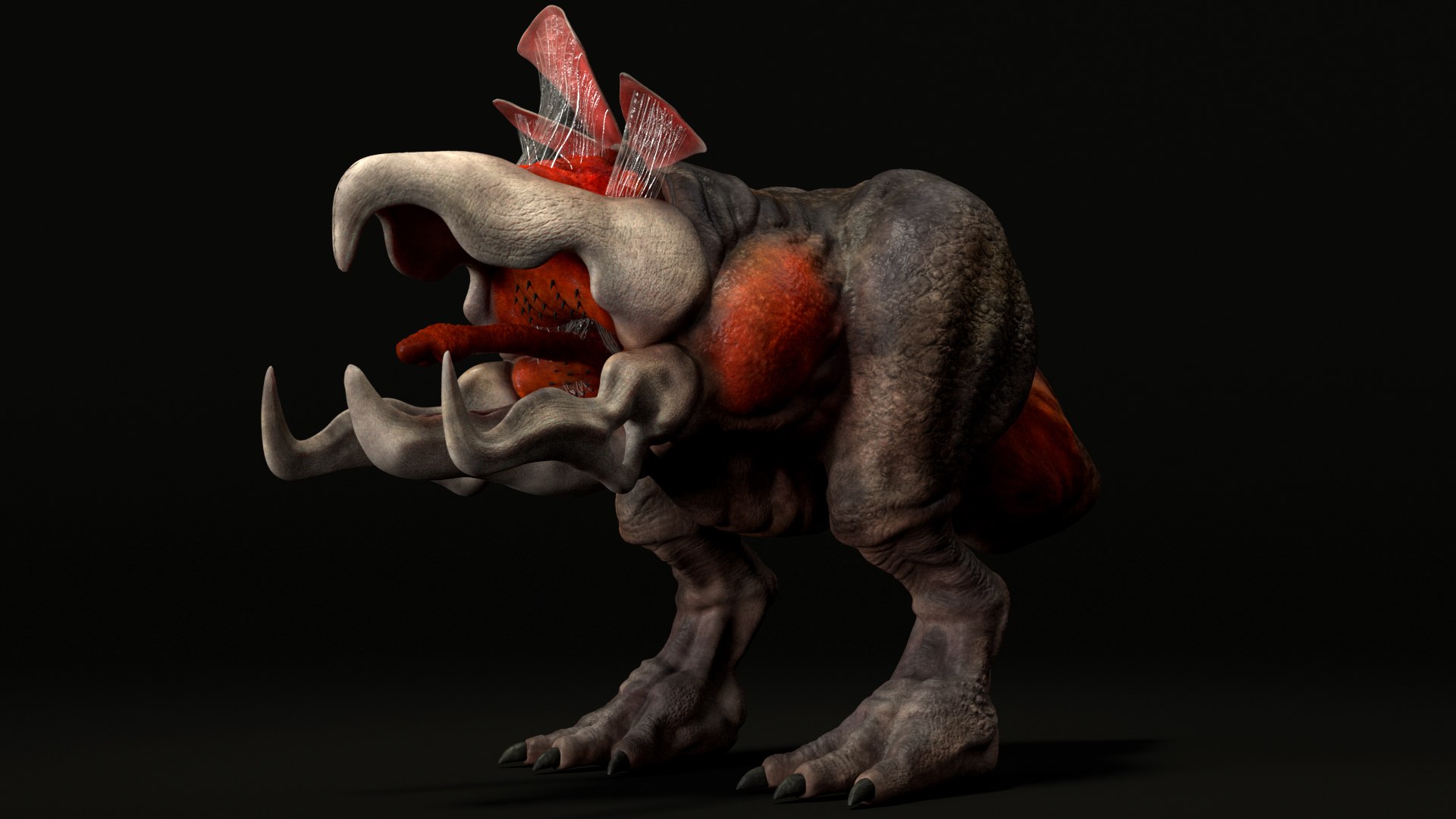
SCP jumpscares represent a masterclass in engineered terror, blending neurological startle responses with the rich narrative lore of the SCP Foundation. Unlike traditional horror tropes that rely on cheap noise or sudden visual intrusions, SCP-inspired frights function as precise psychological experiments. They target the brain's threat-detection systems by manipulating environmental cues, auditory dissonance, and anticipatory anxiety to create shocks that linger long after the screen goes dark.
Understanding why these specific moments of terror hit so hard requires looking beyond fiction and into cognitive science. Fear isn't just an emotion; it's a complex neurobiological cascade involving the amygdala, the prefrontal cortex, and the autonomic nervous system. When creators craft an SCP-themed scare, they tap directly into these hardwired human vulnerabilities, turning abstract anomalies into visceral physical reactions.
The Neurology of the Startle Response
When a sudden anomaly flashes across a screen or a distorted shriek breaks an oppressive silence, your brain doesn't wait for logical confirmation to react. The sensory input bypasses the thinking part of the brain and takes a direct path to the amygdala through the thalamus. This shortcut triggers the classic fight-or-flight response within milliseconds, flooding your system with adrenaline long before you realize you're safe.
SCP jumpscares exploit this split-second delay. Because SCP files often read like clinical, objective government documents, they lull you into a false sense of scientific detachment. When a jumpscare hits in the middle of a dry, bureaucratic description of containment procedures, the contrast amplifies the startle reflex. Your nervous system shifts instantly from analytical reading to acute defense, making the physical jolt significantly more intense.
- Amygdala Activation: Processes incoming threats instantly, initiating rapid heartbeat and muscle tension.
- Adrenaline Surge: Prepares the body for immediate physical action against an unknown danger.
- Sensory Re-evaluation: The prefrontal cortex catches up moments later, assessing whether the threat is real.
Anticipatory Anxiety and the Setup
The most effective SCP scares rely less on the actual shock and more on the agonizing silence that precedes it. Psychologists refer to this as anticipatory anxiety. When you read about an Euclid or Keter class anomaly, your mind begins filling in the blanks with your own worst fears.
Creators use atmospheric pacing to stretch this tension to its absolute limit. Diminishing visual assets, flickering UI elements, and creeping ambient soundscapes signal that containment is failing. This conditions your nervous system to stay on high alert.
- Dosing the Dread: Gradual increases in environmental tension prevent the brain from habituating to the spooky atmosphere.
- False Alarms: Introducing minor, non-threatening anomalies that resolve into nothing keeps players and readers guessing.
- The Breaking Point: The actual jumpscare acts as a pressure release, delivering immediate shock after prolonged suspense.
For a deeper look into how media influences our cognitive processing of fear, check out the American Psychological Association research on media psychology.
Sound Design and Auditory Dissonance
Visuals alone rarely sustain deep dread. Audio carries the heaviest burden in SCP media, often utilizing frequencies and sudden sonic shifts that trigger primal alarm bells. Human evolutionary history taught us to fear sudden, sharp noises in the dark, associating them with predators and immediate danger.
In digital horror adaptations and audio logs, creators deploy specific acoustic tricks. Low-frequency rumbles below the threshold of normal hearing can induce physical feelings of unease and anxiety in listeners. When paired with a sudden, metallic shriek or a truncated voice clip, the auditory contrast shatters whatever composure the audience managed to maintain.
- Infrasound: Sound waves below twenty hertz that can cause unexplained shivers and dread.
- Dynamic Range Spikes: Dropping ambient noise to near zero before introducing a sharp, loud impact.
- Uncanny Vocals: Distorted human speech patterns that trigger the uncanny valley effect in the auditory cortex.
Why Fake Terror Feels Safer Than Real Danger
You might wonder why millions of people willingly seek out terrifying SCP articles, games, and videos if the physiological reaction mimics real panic. The answer lies in the concept of safe terror. When you experience a jumpscare within the context of a fictional universe, your brain knows that physical safety is guaranteed.
This creates a controlled environment where you can process high-intensity emotions without actual risk. According to studies published by the National Institutes of Health, controlled exposure to manageable stressors can actually help regulate mood and build emotional resilience.
- Cognitive Boundary: The conscious mind recognizes the containment breach is fictional.
- Emotional Release: Adrenaline dumping provides a rush similar to extreme sports or roller coasters.
- Mastery over Dread: Overcoming the shock grants a sense of relief and accomplishment.
Frequently Asked Questions
Why do SCP jumpscares feel different from standard horror movie scares?
SCP scares rely on bureaucratic framing and clinical detachment. The contrast between dry, scientific record-keeping and sudden supernatural terror creates a jarring psychological shift that traditional horror narrative structures rarely replicate.
Can fictional jumpscares cause actual psychological harm?
For most people, fictional scares produce temporary adrenaline spikes that resolve safely. However, individuals with specific anxiety disorders or sensory sensitivities may experience prolonged distress from intense auditory or visual shocks.
How do game designers prevent players from getting used to scares?
Developers use variable pacing, procedural anomaly triggers, and false alarms. By making the timing and nature of the scares unpredictable, they prevent the brain from building a predictable defense mechanism.
What makes auditory cues more effective than visuals in horror?
Sound bypasses visual focus and reaches the brain's emotional centers directly. Because humans cannot close their ears the way they can look away, auditory threats feel more invasive and inescapable.



