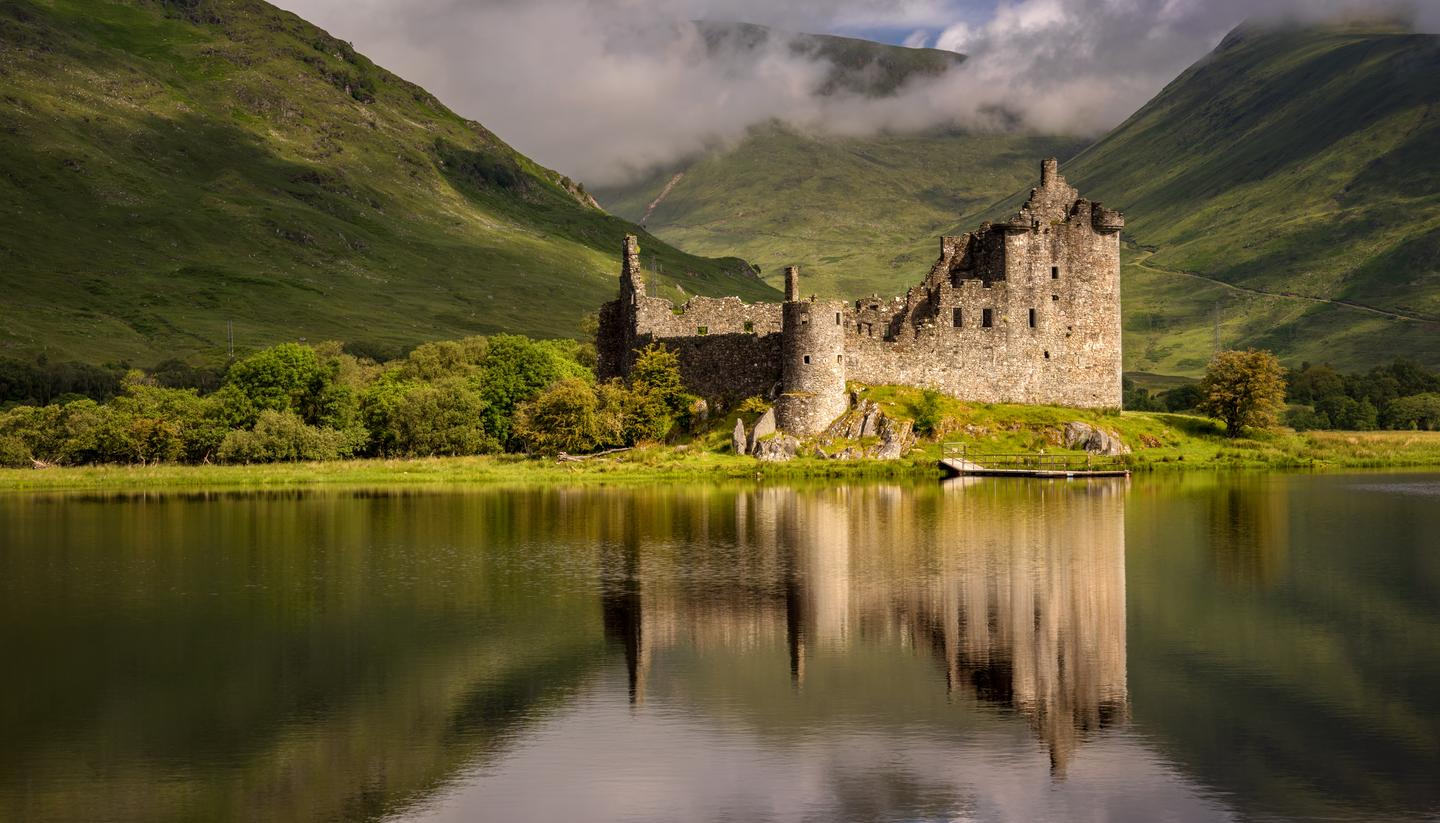
Buying rural property in northern Scotland requires navigating a completely different rulebook than purchasing standard residential real estate. If you're looking at Scotland Highlands farms for sale, you aren't just buying dirt and a house; you're stepping into a complex ecosystem of agricultural classifications, sporting rights, remote logistics, and unique Scottish land tenure laws.
The market spans everything from productive low-lying arable acreage near Inverness to vast, isolated hill farms and historic sporting estates. Success depends on understanding how Scottish property law operates, spotting hidden operational costs, and knowing what the local authorities and environmental bodies expect from landowners.
The Highland Property Market Structure
The agricultural and rural land market in the Highlands divides into distinct categories. Knowing which tier you are looking at determines what you can do with the land, how much it will cost, and what legal restrictions apply.
- Traditional Hill Farms: Large-scale operations spanning hundreds or thousands of acres. These focus primarily on sheep and hardy cattle breeds. They often include significant rough grazing, hill land, and valuable sporting rights for red deer stalking or game shooting.
- Crofting Holdings: Smaller parcels of land tied to unique statutory regulations. A croft can range from less than a hectare to around 50 hectares, often including an inbye field for crops and shares in common grazings. Buying a croft means taking on strict legal duties managed by the Crofting Commission.
- Diversified Sporting and Natural Capital Estates: Properties where traditional farming takes a back seat to forestry, peatland restoration, renewable energy potential (such as wind or hydro schemes), and high-end conservation projects.
Prices vary wildly based on location, access to infrastructure, and potential non-agricultural revenue streams. Prime arable land near the coast commands high per-acre prices, while vast expanses of hill ground are valued much lower per acre due to their low agricultural yield.
The Legal and Conveyancing Process in Scotland
Property transactions in Scotland run through a distinct legal system handled by Scottish solicitors. The process moves from formal offers (missives) to a legally binding contract much faster and differently than in other jurisdictions.
Your solicitor will examine the title through the Registers of Scotland to verify boundaries, historical servitudes, and any burdens attached to the land. Rural estates often come with complex rights of access, public footpaths governed by the Land Reform (Scotland) Act 2003, and third-party rights to fish or shoot.
You must also check for sitting tenants. If part of the land falls under agricultural holdings legislation, tenant farmers may hold secure tenancy rights that prevent you from taking vacant possession immediately. Removing a tenant or buying out their interest requires careful negotiation and adherence to statutory notice periods.
Key Due Diligence for Remote Highland Estates
Before submitting an offer, you need to dig deep into the physical and operational realities of a remote property. Glamorous estate brochures highlight the scenery, but daily survival and land management require rigorous checks.
Access and Infrastructure
Remote locations mean long drives on single-track roads with passing places. Check who owns and maintains the access tracks. If a private track spans three miles across a neighbour's land, clarify who pays for pothole repairs and winter snow clearing. Grid connectivity can also be precarious; many remote estates rely on private generators, localized hydro power, or off-grid solar systems backed up by oil or propane.
Water and Drainage
Never assume running water comes from a municipal mains supply. Most Highland farms and estates rely on private boreholes or hill burns. You must test the water quality, flow rate during dry summer months, and legal abstraction rights. Similarly, foul drainage usually relies on private septic tanks, which must meet modern Scottish Environment Protection Agency (SEPA) general binding rules.
Environmental Designations
Much of the Highland landscape falls under environmental protections. Your land might include a Site of Special Scientific Interest (SSSI), a Special Area of Conservation (SAC), or deep peat bogs. While these designations preserve natural beauty, they severely restrict what you can do with the land—preventing you from draining fields, planting unauthorized commercial forests, or altering watercourses without official consent.
Common Mistakes Buyers Make
- Ignoring Crofting Regulations: Buyers often assume they can buy a croft and immediately build multiple houses or run commercial ventures. The Crofting Commission regulates land use tightly, and failure to meet residency or land management duties can result in enforcement action.
- Underestimating Winter Logistics: A scenic 45-minute drive to the nearest grocery store in July can turn into an impassable route during a January blizzard. Remote properties demand self-sufficiency, heavy-duty vehicles, and emergency fuel reserves.
- Overlooking Sporting Rights Disconnections: In some cases, sporting rights (fishing and shooting) have been severed from the land title and sold off decades ago. Always verify exactly what is included in the title deeds.
Frequently Asked Questions
Can non-UK residents buy a farm or estate in the Scottish Highlands?
Yes. There are no residency or nationality restrictions preventing foreign nationals from purchasing land, farms, or estates in Scotland. However, the financial transfer must comply with anti-money laundering regulations, and you will need a UK-based solicitor to handle the conveyancing.
What are the ongoing tax implications of owning a Highland estate?
Rural properties may be subject to Council Tax for residential buildings, but agricultural and commercial woodlands often qualify for relief from business rates. If the estate generates income from renewable energy, forestry, or tourism, you must factor in income tax, VAT registration, and potential Inheritance Tax reliefs like Agricultural Property Relief (APR) or Business Property Relief (BPR).
How do public access rights affect private farmland?
Under the Land Reform (Scotland) Act 2003, the public has a statutory right of responsible access to most land and inland water for recreation and education. This means walkers, cyclists, and campers can legally cross parts of your land, provided they act responsibly under the Scottish Outdoor Access Code. You cannot erect fences or put up misleading signs simply to keep people out of open country.
What is the difference between owner-occupied crofting and tenanted crofting?
An owner-occupier crofter owns both the land title and the crofting tenancy, meaning they have more control over the asset while still being bound by statutory crofting duties. A tenanted crofter owns the operational right to use the croft and any buildings they erected, but they pay rent to a landlord and must secure permission for major changes.


