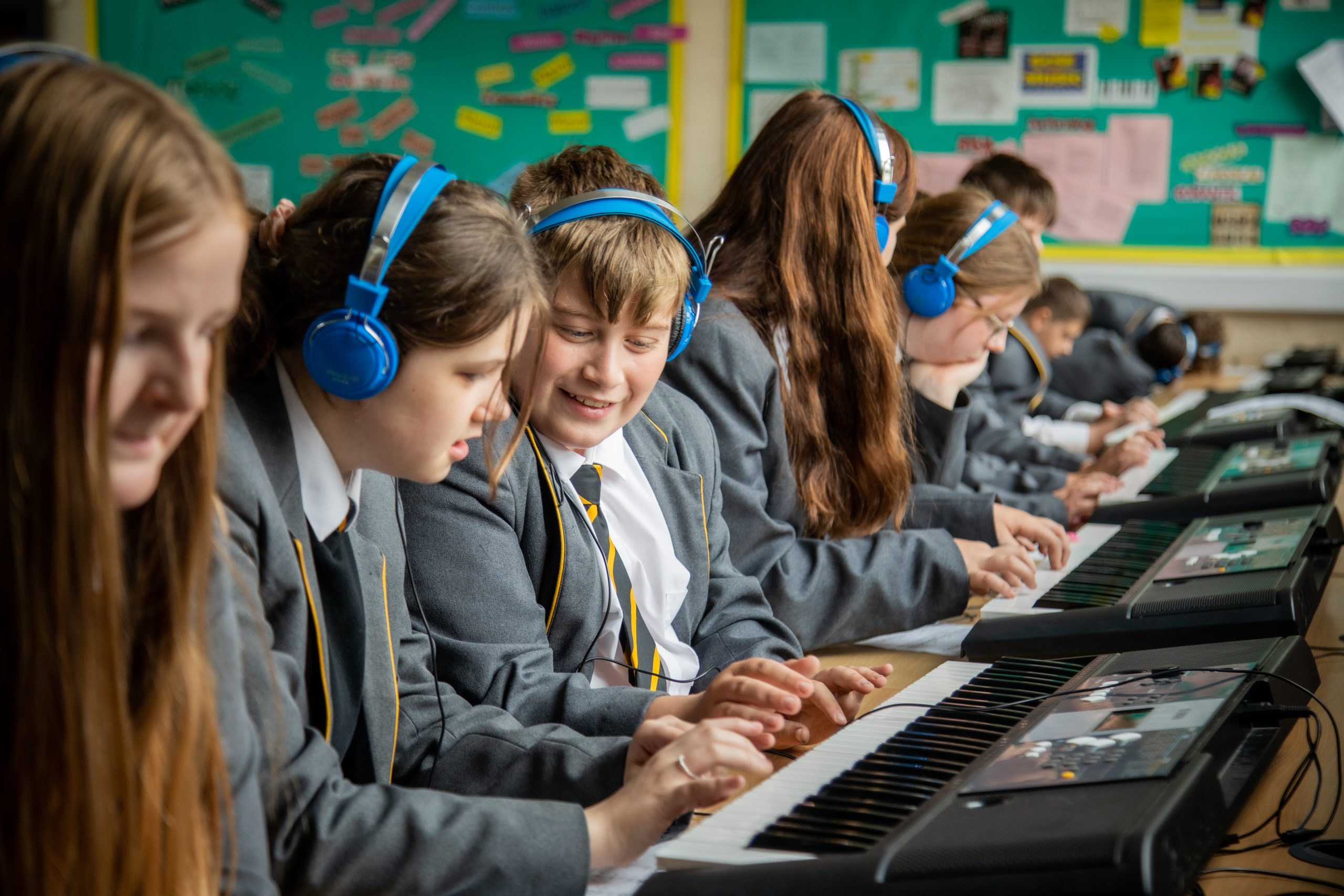
A school party in the Netherlands, known locally as a schoolfeest, looks entirely different from standard proms or casual dances found elsewhere. Dutch educational culture blends egalitarian social structures with structured, highly anticipated milestone celebrations. Whether it's an elementary school birthday treat (trakteren), an elaborate regional town festival like the Goor school folk festival, or wild high school graduation traditions, these events form a core pillar of growing up Dutch.
Understanding how these celebrations work requires looking past surface-level descriptions. Dutch school parties avoid excessive corporate gloss, relying instead on student-driven organization, community involvement, and deeply rooted local customs that date back generations.
Elementary School Celebrations: Birthdays and Trakteren
Life in a Dutch primary school revolves heavily around communal sharing and individual inclusion. The most common regular "party" moment inside a classroom is a child's birthday celebration.
Instead of parents dropping off expensive cakes or hiring external entertainers, the birthday child handles the ritual themselves. This tradition is called trakteren.
- The Treat Basket: The child walks around the classroom offering small snacks to every classmate and teacher.
- Healthy Policies: Most modern Dutch primary schools enforce strict healthy eating guidelines. Sugary candy is frequently replaced with clever, handmade creations made from fruit, cheese cubes, cucumber slices, or small boxes of raisins.
- The Tour: Younger children wear a paper birthday crown made by the teacher and travel through the school building to hand out treats to other teachers in different grades.
Beyond birthdays, primary schools orchestrate seasonal highlights such as Sinterklaas arrivals, where classrooms descend into chaotic fun orchestrated by fictional helpers, and the end-of-year Group 8 musical, where departing students put on a theatrical performance for parents and teachers.
Secondary School Dances and the Schoolfeest
For teenagers in secondary education (middelbare school), the official schoolfeest serves as the primary social highlight of the academic calendar. Unlike American-style proms that focus heavily on formal wear and expensive limousine rentals, Dutch secondary school parties lean toward casual, high-energy club environments often hosted right in the school gym or rented local community venues.
Student committees usually work alongside teachers to plan these nights, selecting themes ranging from neon nights to masquerades. Tickets cost a nominal fee, and the atmosphere remains strictly supervised yet permissive enough for teenagers to let loose. Music choices skew heavily toward electronic dance music, Dutch pop, and mainstream hits.
A unique aspect of secondary school culture involves how students mark the transition into their final exam year. Many schools feature a specific "ribbon party" or commencement celebration early in the senior year, signaling that the pressure of final exams (eindexamens) has officially begun.
High School Graduation Week: Strikken, Vlaggen, and Partying
The ultimate expression of school-related celebration in the Netherlands occurs at the end of May and June, once national exam results are finally released. This period triggers a series of iconic Dutch traditions that transform ordinary towns into lively street festivals.
- The Flag and Backpack: Households across the country display the Dutch flag alongside the student's school backpack (schooltas) hanging from the flagpole. This signals to the entire neighborhood that a resident has successfully passed their high school exams.
- The Exam Truck: Groups of graduating friends frequently rent flatbed trucks, decorate them with humorous banners, and drive through town blaring music while celebrating their freedom.
- The Prom and Gala: Unlike younger grades, the final graduation ball (gala) features formal attire, tuxedos, and evening gowns. Students arrive in unconventional vehicles—ranging from vintage tractors to classic sports cars—making grand entrances watched by crowds of parents and local residents.
According to data from the Central Bureau of Statistics (CBS), thousands of Dutch teenagers navigate these milestone transitions every summer, maintaining customs that balance youthful rebellion with tight-knit community structures.
Common Misconceptions About Dutch School Culture
Expats and newcomers often misinterpret how social events function within the Dutch educational framework. Avoiding these cultural missteps ensures a smoother integration into school communities.
- Misconception 1: Parents stay for school parties. In the Netherlands, independence is encouraged early. Parents drop children off at the door for birthday parties or school events and leave entirely, returning only at the designated pickup time.
- Misconception 2: Gifts must be expensive. Whether attending a classmate's private birthday party or a school-adjacent gathering, lavish spending is discouraged. Gifts typically stay within a modest budget (around 7.50 to 15 euros) to avoid making other families uncomfortable.
- Misconception 3: Schools fund everything. Parent associations (ouderverenigingen) play a massive role. Voluntary parental contributions (ouderbijdrage) fund extracurricular parties, holiday treats, and year-end festivals.
Frequently Asked Questions
Are school parties in the Netherlands mandatory?
Academic parties like the Sinterklaas celebrations or year-end musicals take place during school hours and form part of the standard curriculum experience, making attendance expected. Evening high school dances and class parties are optional social events.
Do Dutch schools host proms like American high schools?
While older students hold a formal graduation gala with formalwear and dancing, it differs from American proms by lacking strict royal courts, heavy corporate sponsorship, or elaborate pre-prom proposals. The focus remains on community, shared history with classmates, and relaxed celebration.
What is expected of parents during a child's birthday at school?
Parents must prepare the trakteur ahead of time, ensuring it complies with the school's nutritional guidelines. Teachers usually assign a specific morning slot for this brief classroom presentation.
How do local folk school festivals differ from school parties?
Events like the Goor School and Folk Festival are massive community-wide traditions involving historical parades, fairgrounds, and multi-day celebrations connecting current students, alumni, and local residents. They bridge formal education history with municipal heritage.


