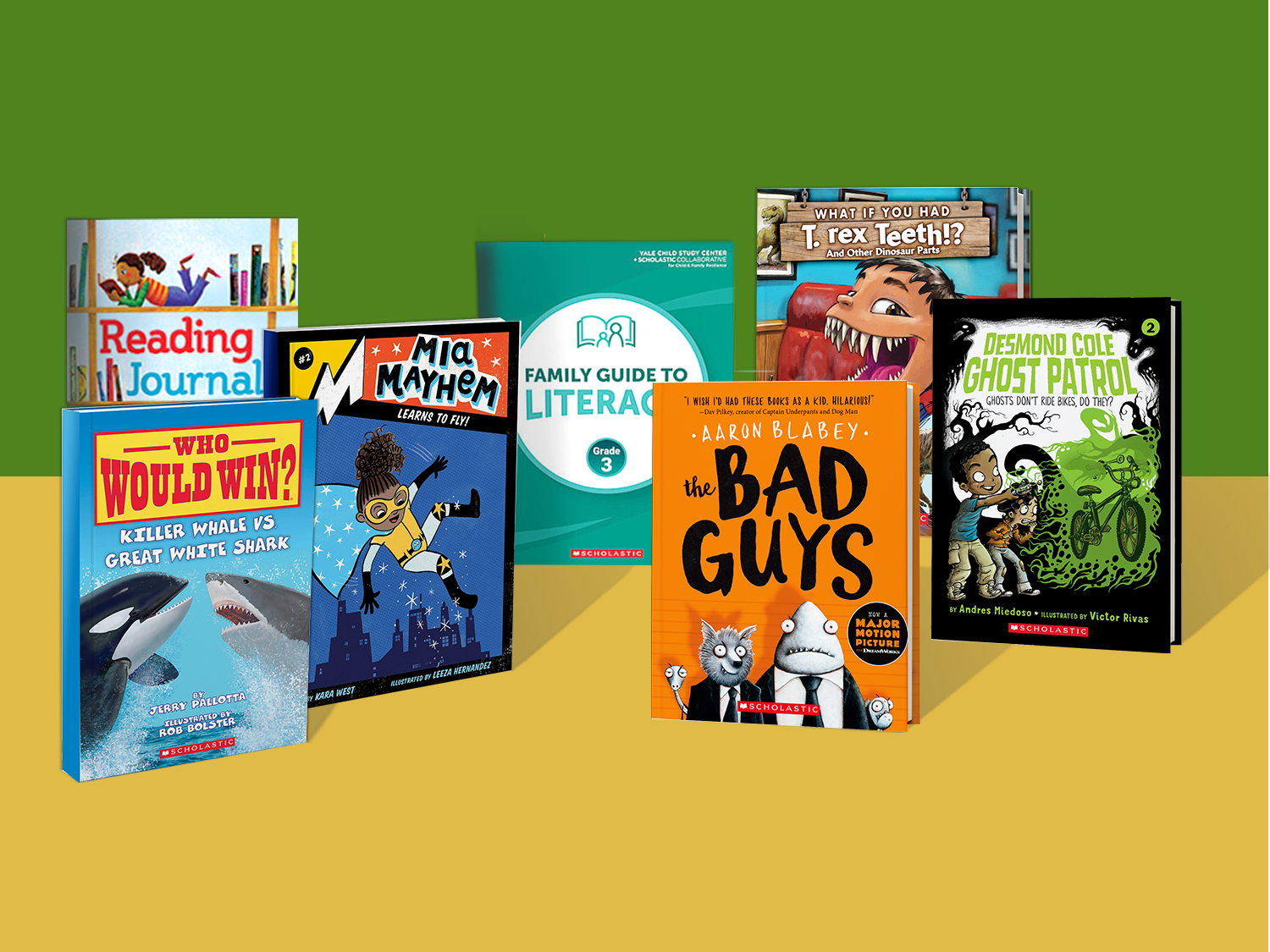
Navigating annual teacher resource guides can feel overwhelming when you're balancing tight budgets, diverse reading levels, and strict curriculum guidelines. The Scholastic Catalogue 2024 serves as a centralized roadmap for educators trying to source leveled texts, digital tools, and culturally responsive literature without spending hours sorting through fragmented supplier sites.
At its core, the catalogue provides a vetted selection of print and digital materials structured to match specific grade bands and developmental milestones. Instead of browsing thousands of independent titles, teachers and school administrators use these curated pages to find thematic units, phonics kits, and reading interventions that align directly with regional educational standards.
Evaluating the Core Offerings in the 2024 Release
The 2024 lineup leans heavily into multi-format learning environments. Print books remain a staple, but they are increasingly bundled with digital components designed for modern hybrid classrooms.
- Leveled Book Rooms: Pre-packaged collections sorted by guided reading levels, making it simple to set up small-group instruction stations.
- Thematic Cross-Curricular Bundles: Sets combining science, social studies, and narrative fiction around a single topic to reinforce comprehension.
- Inclusive and Diverse Representation: Expanded sections featuring characters with diverse backgrounds, physical disabilities, and neurodivergent traits.
For elementary and middle school educators, finding materials that engage reluctant readers while keeping pace with state or provincial standards is a constant challenge. The 2024 materials address this by offering explicit reading intervention frameworks that don't sacrifice storytelling quality for skill drills. Similar insight regarding this has been published by BBC.
Strategic Selection: Matching Resources to Student Needs
Picking items straight from a publisher's flyer without a strategy leads to unused classroom clutter. To make the most of the selection, you have to audit your current classroom inventory first.
- Conduct an equity and representation audit: Check your current library shelves to see which student demographics or reading tiers lack strong representation, then target those gaps using the catalogue's index tags.
- Prioritize hybrid compatibility: Choose titles that offer both physical copies for independent reading time and digital access licenses for home reading or hybrid learning days.
- Map resources to assessment goals: Cross-reference the catalogue listings with your district's upcoming standardized testing benchmarks to ensure your purchases support tested skill domains like informational text analysis or foundational phonemic awareness.
For example, if your grade-four cohort struggles with non-fiction comprehension, investing in targeted short-read bundles rather than standalone novels can immediately shift student engagement metrics.
Integrating Print and Digital Subscriptions
Modern learning relies on a blend of tactile reading and interactive software. The digital subscriptions featured in the 2024 release offer distinct structural advantages over traditional physical reordering cycles.
Digital platforms within the ecosystem usually include real-time progress tracking, read-aloud audio options for English language learners, and interactive vocabulary games. These tools give teachers actionable data points without requiring hours of manual grading.
However, relying solely on screens creates digital fatigue. Effective classrooms use digital subscriptions for supplemental skill practice while keeping physical books central to sustained, deep-reading blocks. You can review current offerings directly through Scholastic Canada Book Clubs or the main Scholastic Portal to find specific regional order forms.
Common Pitfalls When Ordering from Publisher Catalogues
Even seasoned educators fall into traps when ordering from annual product flyers. Avoiding these mistakes saves money and prevents supply cupboards from filling up with unused kits.
- Overbuying specialized kits: Buying a massive, expensive science module before checking if your school already owns the core consumable workbooks.
- Ignoring reading level distributions: Ordering bulk packs clustered around a single reading level instead of distributing titles across the wide Lexile spectrum present in an average classroom.
- Neglecting professional development: Failing to check if selected intervention programs require specialized teacher training courses before implementation can stall results.
Frequently Asked Questions
How do I align catalogue items with my specific curriculum standards?
Most major curriculum connections are noted directly inside the publisher's online companion guides or printed index matrices. You can cross-reference standard codes with the resource descriptions to justify purchases to school boards.
Are digital licences included with physical book purchases?
Usually, they are sold separately or as part of specific tiered classroom bundles. Always check whether a listing includes multi-seat digital access or just a single-user physical copy.
How can small classrooms with low budgets utilize these resources?
Look for shared grade-level thematic packs or school-funded library subscriptions rather than individual classroom sets. Pooling budget resources allows multiple teachers to rotate through high-impact novel collections.
What is the best way to handle shipping and order timelines?
Order well ahead of the academic term—ideally late spring for fall delivery—to avoid backorders on high-demand book room sets and popular graphic novel series.



