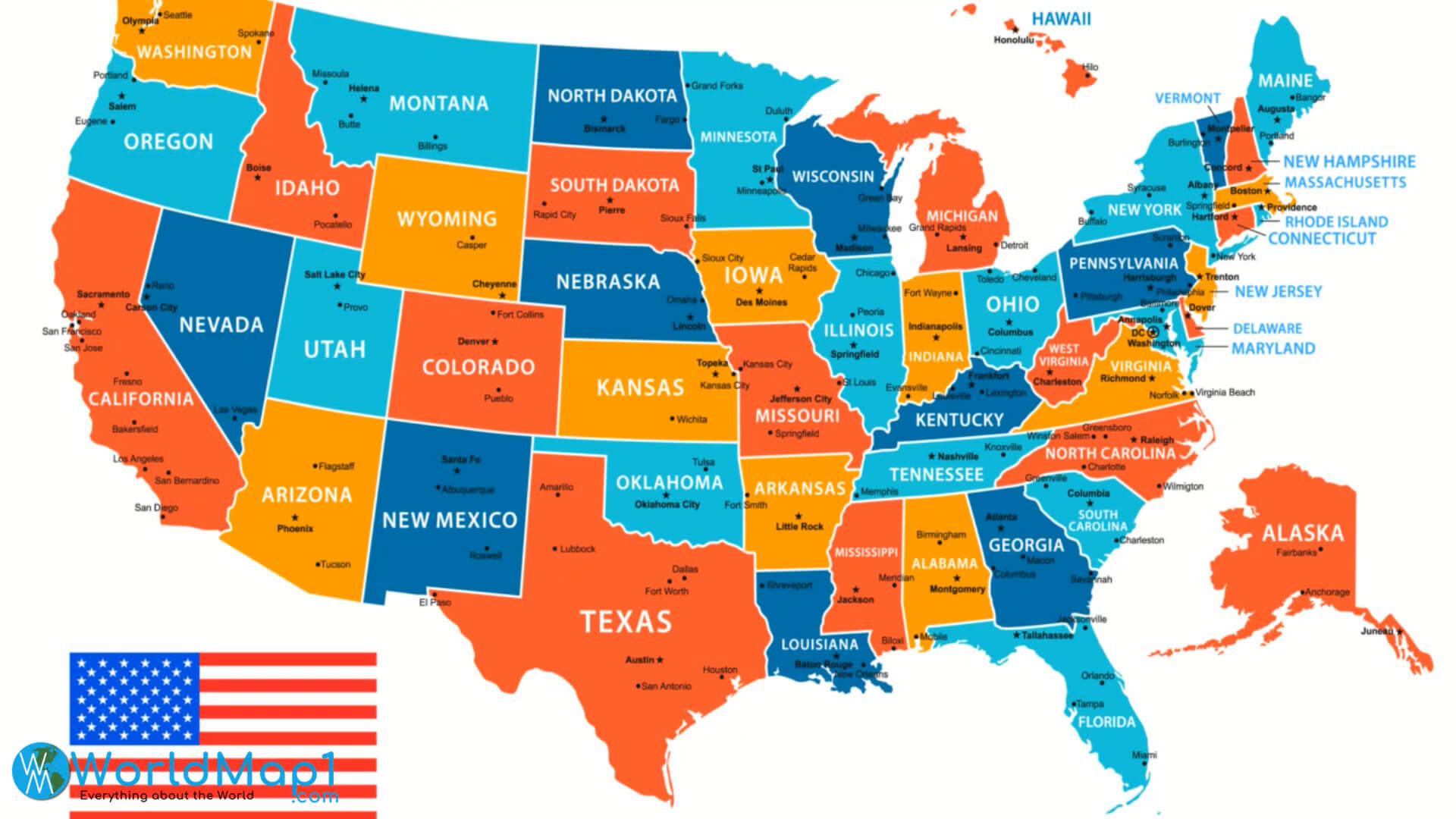
Roughly 150,000 residents live within Savannah's official city limits, while the wider metropolitan area houses over 430,000 people. Georgia's historic coastal hub balances rapid commercial expansion with historic preservation, drawing a steady stream of new residents every year.
Understanding how many people call this southern city home requires looking beyond a single census figure. The municipality spans roughly 110 square miles within Chatham County, creating distinct urban neighborhoods, sprawling suburban enclaves, and a dynamic regional economy that shapes local housing and infrastructure.
City Limits Versus Metropolitan Area Statistics
When looking at population statistics, you have to separate the actual city from the broader metro footprint. Official U.S. Census Bureau estimates place the population of the city of Savannah proper at approximately 150,000.
The Savannah metropolitan statistical area—which includes surrounding areas across Chatham, Effingham, and Bryan counties—totes a much larger population hovering around 432,000. Thousands of commuters cross county lines daily to work in healthcare, manufacturing, tourism, and logistics around the Port of Savannah, making the functional population much higher than city limit numbers imply.
Recent Growth Trends and Projections
Savannah isn't experiencing the explosive, uncontrolled boom seen in some Sun Belt cities, but it maintains a steady upward trajectory. The city's population has grown by roughly 1.7% since the last decennial census, fueled by retirees seeking coastal warmth, remote workers escaping high-cost northern metros, and young professionals drawn to a thriving local arts and culinary scene.
Economic engines like the Port of Savannah—one of the busiest container ports in North America—and major industrial investments nearby keep local employment stable. This economic anchor prevents the boom-and-bust cycles typical of tourism-only economies, ensuring that people moving here find diverse job sectors.
Demographic Breakdown of Savannah Residents
The cultural fabric of Savannah is deeply tied to its rich history and diverse population base.
- Age Distribution: The median age in Savannah sits at roughly 34 years old, kept younger by a strong student presence from institutions like the Savannah College of Art and Design (SCAD) and local universities.
- Racial and Ethnic Composition: Black or African American residents make up roughly 51% of the city population, while White residents account for about 35%, and Hispanic or Latino residents comprise roughly 7%.
- Household Income: The median household income lingers around $57,137, though regional figures across the greater metro area skew higher as suburban developments expand.
Data from the U.S. Census Bureau highlights how these demographics shift block by block, especially between the historic downtown landmark district and outer suburban developments like Pooler and Richmond Hill.
Housing Market Pressures and Neighborhood Shifts
Population growth directly impacts the local real estate landscape. Median home values across Chatham County hover near $332,000, reflecting steady demand that has outpaced inventory. Historic properties in downtown squares command premium prices, pushing many working families and new arrivals toward suburban pockets where housing developments offer more square footage per dollar.
Renters make up a significant portion of the city's populace, influenced heavily by the transient student populations and military personnel stationed nearby at Hunter Army Airfield. Average monthly rents in the county sit around $1,734, requiring prospective residents to plan ahead when hunting for apartments near the historic center.
Frequently Asked Questions
What is the current population of Savannah, Georgia?
The city proper has an estimated population of about 150,000, while the broader metropolitan statistical area supports over 430,000 residents.
Is Savannah growing or shrinking?
Savannah is experiencing slow, steady growth. Its population has increased by roughly 1.7% since the 2020 decennial count, driven by job opportunities at the port, manufacturing expansions, and lifestyle migration.
How does SCAD affect Savannah's population?
The Savannah College of Art and Design brings thousands of students from around the globe into the city center. While many students live in campus housing or temporary rentals, they heavily influence the local median age, arts culture, and downtown commercial activity.
What counties make up the Savannah metropolitan area?
The official metro region spans multiple counties in coastal Georgia, primarily including Chatham, Effingham, and Bryan counties, all of which share interconnected economic and commuting patterns. Resources like the Georgia Department of Labor provide detailed regional labor force reports for these exact municipal zones.



