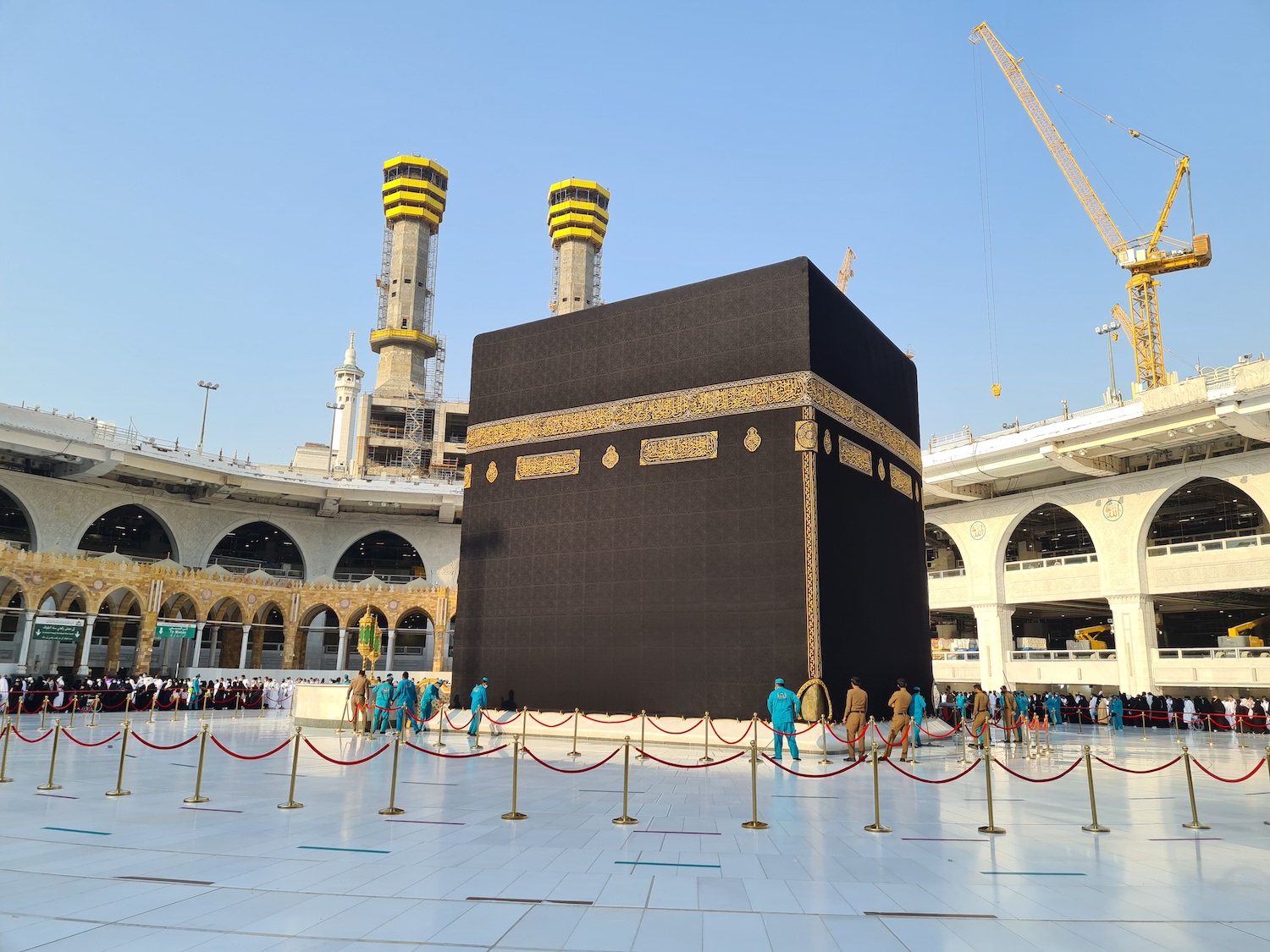
Saudi Arabia's Vision 2030 represents one of the largest structural economic overhauls in modern history. Launched in 2016 by Crown Prince Mohammed bin Salman, the national blueprint aims to end the country's reliance on oil revenues, overhaul public services, and build a competitive private sector. Over the past decade, the strategy has reshaped trade balances, labor laws, and industrial policy across the Middle East.
At its core, the initiative addresses a straightforward vulnerability: a state budget tethered to volatile commodity cycles. By shifting capital into manufacturing, logistics, tourism, and technology, the Saudi state is engineering an economy capable of sustaining itself long-term. Non-oil sectors now account for over half of the national gross domestic product, reflecting tangible movement away from pure hydrocarbon dependence.
The Pillars of Diversification
The strategy rests on three distinct pillars: a vibrant society, a thriving economy, and an ambitious nation. Each pillar translates into targeted regulatory reforms designed to attract foreign direct investment and stimulate domestic entrepreneurship.
The Public Investment Fund acts as the primary financial engine for these changes. Instead of holding wealth solely in overseas sovereign assets, the fund channels capital directly into domestic megaprojects, clean energy initiatives, and high-tech industrial hubs. This deployment of domestic capital crowds in private investors who previously viewed the market as too bureaucratic or oil-bound. Additional journalism by Bloomberg highlights related views on this issue.
Industrial Manufacturing and Logistics
Industrial policy under the National Industrial Development and Logistics Program targets advanced manufacturing, automotive assembly, and aerospace components. Cities like Jubail and Yanbu have expanded petrochemical processing downstream, while new industrial zones offer subsidized utilities and streamlined licensing for international manufacturers.
Logistics infrastructure has received parallel upgrades. The Kingdom's investment in deep-water ports on the Red Sea and the expansion of national carrier networks have positioned the country as a key transit hub connecting Asia, Europe, and Africa. As a result, non-oil exports have climbed steadily across regional supply chains.
Tourism and Cultural Openness
Tourism was virtually non-existent outside of religious pilgrimages a decade ago. The introduction of electronic visas and sweeping social reforms unlocked leisure travel at scale. Historic sites like AlUla, coastal developments along the Red Sea, and urban entertainment districts in Riyadh draw millions of international visitors annually.
This shift requires massive hospitality and aviation capacity. International hotel chains and local developers are scaling up room supply to meet a projected surge in business and leisure travel over the coming years.
Structural Reforms and Workforce Localization
Economic transformation requires a labor market overhaul. Historically, public sector employment absorbed a large share of native citizens, while private industries relied heavily on expatriate labor.
Programs like Nitaqat introduced sliding quotas for hiring local citizens across private firms. At the same time, educational curricula shifted toward vocational training, coding, and engineering disciplines. Female labor force participation has risen sharply, driven by the lifting of driving restrictions and expanded professional opportunities in finance, tech, and retail.
Financial Sector Modernization
Capital markets have opened to foreign institutional investors through Qualified Foreign Investor reforms and the landmark public offering of Saudi Aramco. The domestic stock market, Tadawul, integrated into global emerging market indices, increasing liquidity and transparency.
Fintech startups face fewer regulatory hurdles today through regulatory sandboxes overseen by the central bank. Digital payments have largely replaced cash transactions across major metropolitan areas, reducing friction for small businesses and consumers alike.
Challenges and Scale Corrections
Executing an overhaul of this magnitude carries friction. Managing cash flow across multiple capital-intensive giga-projects requires continuous fiscal calibration. State planners regularly adjust timelines and capital allocations to match revenue realities and supply chain capacities.
Bureaucratic inertia also presents hurdles. While national reforms move quickly at the top, local implementation can occasionally clash with legacy administrative procedures. Foreign firms often navigate complex licensing requirements before achieving full operational status.
Inflation in prime urban centers like Riyadh has risen alongside housing demand, prompting targeted housing initiatives to keep living costs manageable for the growing middle class. Balancing rapid urban expansion with sustainable infrastructure remains a constant operational puzzle.
Frequently Asked Questions
What percentage of Saudi Arabia's GDP comes from non-oil sectors?
Non-oil sectors account for roughly 55 percent of the national gross domestic product, driven by growth in tourism, manufacturing, logistics, and financial services.
Who funds Vision 2030 projects?
Funding comes from a mix of sovereign capital deployed by the Public Investment Fund, foreign direct investment partnerships, and private sector co-investments through programs like Shareek.
How has tourism changed under the initiative?
The government introduced electronic visas, built out domestic hospitality infrastructure, and opened historical and coastal regions to international travelers, scaling visitor arrivals significantly.
What is the role of the Public Investment Fund?
The Public Investment Fund serves as the sovereign wealth vehicle tasked with investing state capital into domestic transformation projects, localizing supply chains, and launching new industries.



