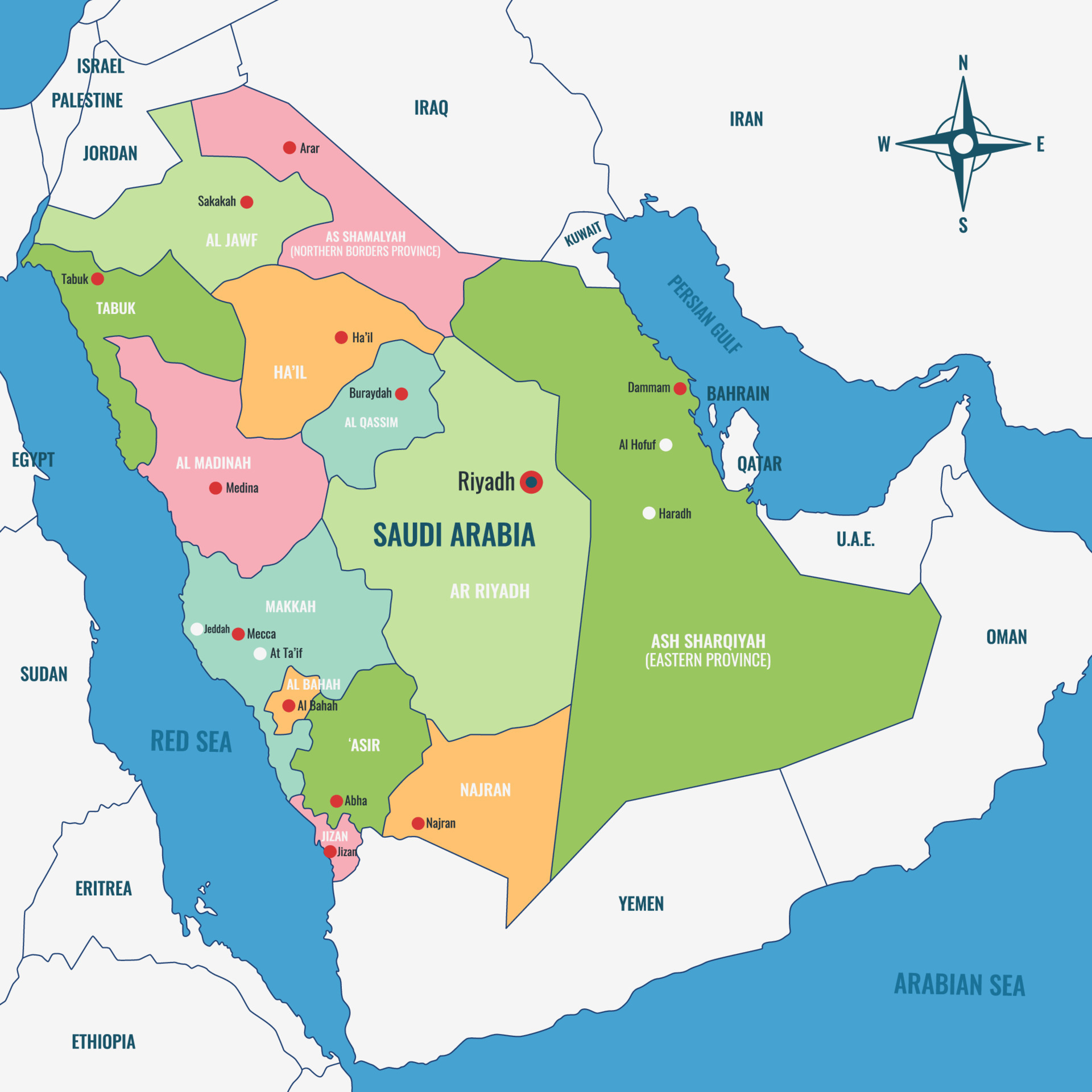
Operating across borders means keeping a close eye on the clock. If you're coordinating supply chains, scheduling remote team meetings, or planning travel to the Middle East, you need to understand how the Saudi Arabia time zone functions. The country operates on a single standard offset year-round, making scheduling predictable for international partners.
Saudi Arabia sits entirely within Arab Standard Time (AST), which is UTC+3. Unlike North America or Europe, the kingdom doesn't observe daylight saving time. This consistency simplifies long-term project planning, financial settlements, and logistical routing, keeping operations aligned with global markets without seasonal hour shifts.
The Mechanics of Arab Standard Time
Arab Standard Time is fixed at three hours ahead of Coordinated Universal Time. Because the country spans a significant geographic width from the Red Sea to the Arabian Gulf, you might wonder why it doesn't split into multiple time zones like the United States or Australia.
The rationale comes down to administrative efficiency and religious alignment. The entire nation stays on one synchronized schedule to streamline government operations, banking hours, and transportation networks. When a freight shipment clears customs in Dammam at the same hour administrative offices open in Riyadh and Jeddah, the single-zone setup removes friction.
International businesses working with Saudi entities don't have to recalculate seasonal offsets twice a year. However, you do need to account for how your local daylight saving changes impact the time difference. For instance, when the Eastern United States moves to Daylight Saving Time (UTC-4), the gap between New York and Riyadh shrinks from eight hours to seven hours.
Business Hours and the Working Week
Timing your communications correctly requires knowing local office rhythms. Saudi Arabia adjusted its official weekend to Friday and Saturday to better synchronize with global financial markets while respecting the Muslim holy day.
Standard corporate hours typically run from 8:00 AM to 5:00 PM, Sunday through Thursday. Government offices often operate on slightly shorter schedules, usually closing by 2:30 or 3:00 PM.
- Banking Sector: Most commercial banks open Sunday through Thursday from 9:00 AM to 4:00 PM.
- Retail and Commerce: Shops often close for brief periods during daily prayer times (Salah), though major malls stay open straight through from mid-morning until late evening.
- Stock Exchange: The Tadawul operates regular trading sessions Sunday through Thursday, aligning directly with the local business week.
During the holy month of Ramadan, these standard hours shift significantly. Offices shorten their daily schedules, and many businesses operate at night after the sunset meal. If you're working on tight deadlines with Saudi partners during Ramadan, expect slower response times during daylight hours.
Coordinating Across Global Time Zones
Working with teams in Riyadh from other major financial hubs requires keeping a few standard conversions in mind:
- London (GMT/BST): During winter, Riyadh is 3 hours ahead. During British Summer Time, the gap narrows to 2 hours.
- New York (EST/EDT): During standard time, Riyadh is 8 hours ahead. When Daylight Saving Time is active in the US, Riyadh is 7 hours ahead.
- Tokyo (JST): Riyadh is 6 hours behind Japan Standard Time year-round, as neither region observes daylight saving.
When setting up recurring calendar invites with international colleagues, anchor the meeting time to UTC or a neutral zone to prevent scheduling errors when your home country adjusts its clocks. You can verify current official time offsets directly through the Time and Date World Clock.
Economic Modernization and Scheduling
The push toward rapid economic diversification under national development strategies has placed a premium on precise scheduling. As the kingdom builds massive smart cities and expands its aviation hub capabilities, reliable time synchronization is foundational.
Airlines like Saudia manage complex flight banks through King Khalid International Airport in Riyadh and King Abdulaziz International Airport in Jeddah. Operating these massive hubs requires strict adherence to a unified national clock to ensure seamless domestic and international connections.
Furthermore, global tech firms, logistics giants, and financial institutions establishing regional headquarters in Riyadh must coordinate daily transactions across multiple continents. A stable, unchanging time zone removes one layer of operational complexity for foreign direct investment.
Common Scheduling Mistakes to Avoid
When dealing with international schedules, professionals often run into a few predictable traps:
- Forgetting Daylight Saving Shifts: Assuming the time difference stays identical all year. Always check whether your local region observes daylight saving changes while Saudi Arabia stays static.
- Ignoring the Sunday-Thursday Work Week: Sending urgent requests on a Friday or Saturday expecting a same-day reply, forgetting that the weekend in Saudi Arabia falls on those days.
- Overlooking Prayer Windows: Scheduling back-to-back virtual calls without accounting for brief prayer breaks during the workday.
- Miscalculating Ramadan Hours: Assuming standard 9-to-5 availability during the holy month, when daily rhythms shift toward evening and nighttime operations.
Frequently Asked Questions
Does Saudi Arabia observe daylight saving time?
No. Saudi Arabia stays on Arab Standard Time (UTC+3) throughout the entire year. Clocks do not move forward or backward in the spring or autumn.
What are the standard working days in Saudi Arabia?
The official work week runs from Sunday through Thursday. Friday and Saturday form the weekend.
How does the time difference with the US change during the year?
Because the US observes daylight saving time while Saudi Arabia does not, the time gap fluctuates. For example, New York is 8 hours behind Riyadh during standard time, but only 7 hours behind when eastern daylight time is active.
Why doesn't Saudi Arabia use multiple time zones?
Despite its large geographic size, the country maintains a single time zone to simplify administrative tasks, transportation, religious practices, and business communications nationwide.



