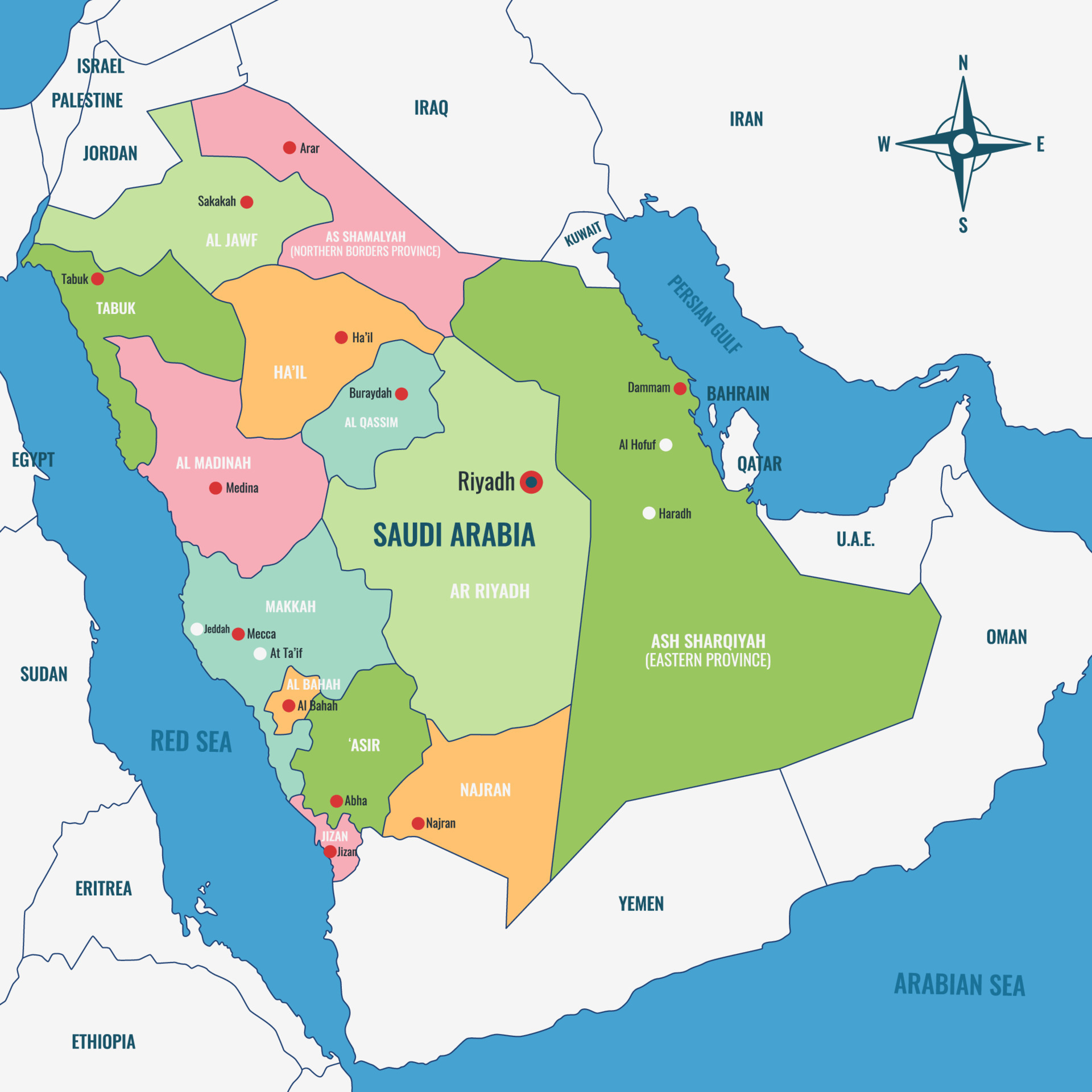
The Saudi Arabia cycling tour 2025 marks a major shift in the region's sports tourism landscape, drawing international attention to the Kingdom's evolving cycling routes. Spanning diverse terrains from dramatic desert expanses to rugged Red Sea coastlines, this event showcases how infrastructure investments are turning the country into an unexpected destination for two-wheeled exploration.
If you're looking to understand how the 2025 tour unfolded, what routes were featured, and how the country's cycling scene is developing for riders and fans alike, you're in the right place. Let's break down the actual routes, logistical shifts, and what makes this emerging cycling destination worth watching.
The Evolution of Saudi Arabia Cycling Infrastructure
For years, cycling in the Arabian Peninsula meant navigating isolated desert highways or local club tracks. That changed rapidly as the Saudi Arabian Ministry of Sport and various regional authorities invested heavily in dedicated bike paths, urban cycling networks in cities like Riyadh and Jeddah, and major event hosting.
The country's push isn't just about professional racing like the Saudi Tour (AlUla Tour). It's about building a year-round framework for cycling tourism. Key investments include:
- Paved shoulders and dedicated cycling lanes along major regional corridors.
- Modern rest stops and shade structures suited for desert climates.
- Specialized maintenance hubs and rental networks popping up near major tourist hubs like AlUla and the Red Sea coast.
Key Stages and Terrain Highlights of the 2025 Tour
The 2025 calendar brought a mix of challenging climbs, coastal sprints, and ancient heritage routes. Riders faced distinct geographic challenges across multiple stages.
AlUla and Desert Sandstone Valleys
AlUla remains the crown jewel of Saudi cycling routes. Riding past ancient Nabataean tombs like Hegra offers a backdrop you won't find anywhere else in the world. The terrain here features wide, smooth asphalt roads flanked by towering sandstone monoliths. Crosswinds present a constant tactical hurdle for riders, while morning temperatures offer a brief window of cool air before the midday sun peaks.
Asir Mountain Passes
For climbers, the Asir region provides serious elevation. Ascents near Abha push riders through winding mountain passes with steep gradients often exceeding 8 percent. The air is noticeably cooler at higher altitudes, but the sustained climbs test even seasoned endurance athletes.
Red Sea Coastal Roads
Along the western coast, routes near projects like the Red Sea Global development feature flat, fast tarmac with sweeping ocean views. These stages are characterized by high speeds and rolling coastal breezes, making them ideal for time trials and breakaway specialists.
Practical Realities: Climate, Timing, and Logistics
Planning a cycling trip to Saudi Arabia requires careful attention to seasonal weather patterns. Summer temperatures routinely exceed 45 degrees Celsius, making cycling dangerous between May and September.
- Best Season: November through February offers optimal riding weather, with daytime temperatures hovering comfortably between 20 and 28 degrees Celsius.
- Hydration Management: Desert humidity is often low, meaning sweat evaporates quickly. Riders frequently misjudge their fluid intake because they don't feel drenched, leading to rapid dehydration. Carrying extra bidons and electrolyte mixes is non-negotiable.
- Transport and Bike Shipping: Major airlines operating into Riyadh (RUH) and Jeddah (JED) have standardized bike bag policies, but local internal transfers require pre-booked vehicle support if you're traveling off the beaten path.
For official travel advisories and entry requirements, check the Saudi Tourism Authority portal before booking flights.
Common Mistakes Visitors Make
Riders new to the region often stumble over a few predictable hurdles. Avoiding these mistakes saves time and keeps your trip on track.
- Underestimating Desert Sun Intensity: Sunscreen with high SPF and UV-protective sleeves are mandatory gear, even in January. The clear desert skies amplify UV radiation.
- Ignoring Local Cultural Norms: While cycling apparel is completely acceptable on routes and at resorts, wearing tight Lycra outside of riding contexts in rural towns can draw unwanted attention. Pack casual clothing for post-ride meals and town visits.
- Failing to Plan for Support Vehicles: Cell service can be sparse in deep desert stretches or remote mountain canyons. Riding unsupported on unfamiliar interior roads without a chase vehicle or downloaded offline maps is a risky gamble.
Frequently Asked Questions
What kind of bike is best for Saudi Arabia's roads?
An endurance road bike with clearance for slightly wider tires (28c to 32c) handles the occasional rough shoulder or wind-blown sand patches far better than a standard race rig. Tubeless setups are strongly recommended to combat goatheads and sharp debris on rural roads.
Are there bike rental options available locally?
Yes, major hubs like Riyadh, Jeddah, and AlUla feature high-end bike rental shops offering carbon road and gravel bikes, though availability drops during peak winter racing events. Booking weeks in advance is essential.
Is wild camping allowed along cycling routes?
Wild camping outside designated areas is generally discouraged or restricted. Saudi Arabia has strict environmental and land-use policies, particularly around protected heritage sites like AlUla. Stick to established hotels, resorts, or authorized campsites.
How do local drivers treat cyclists on shared roads?
Infrastructure is improving, but many rural drivers aren't accustomed to cyclists sharing fast regional highways. Riding with a club, utilizing a support vehicle, or sticking to dedicated bike parks and low-traffic interior loops is much safer than tackling major inter-city freeways alone.