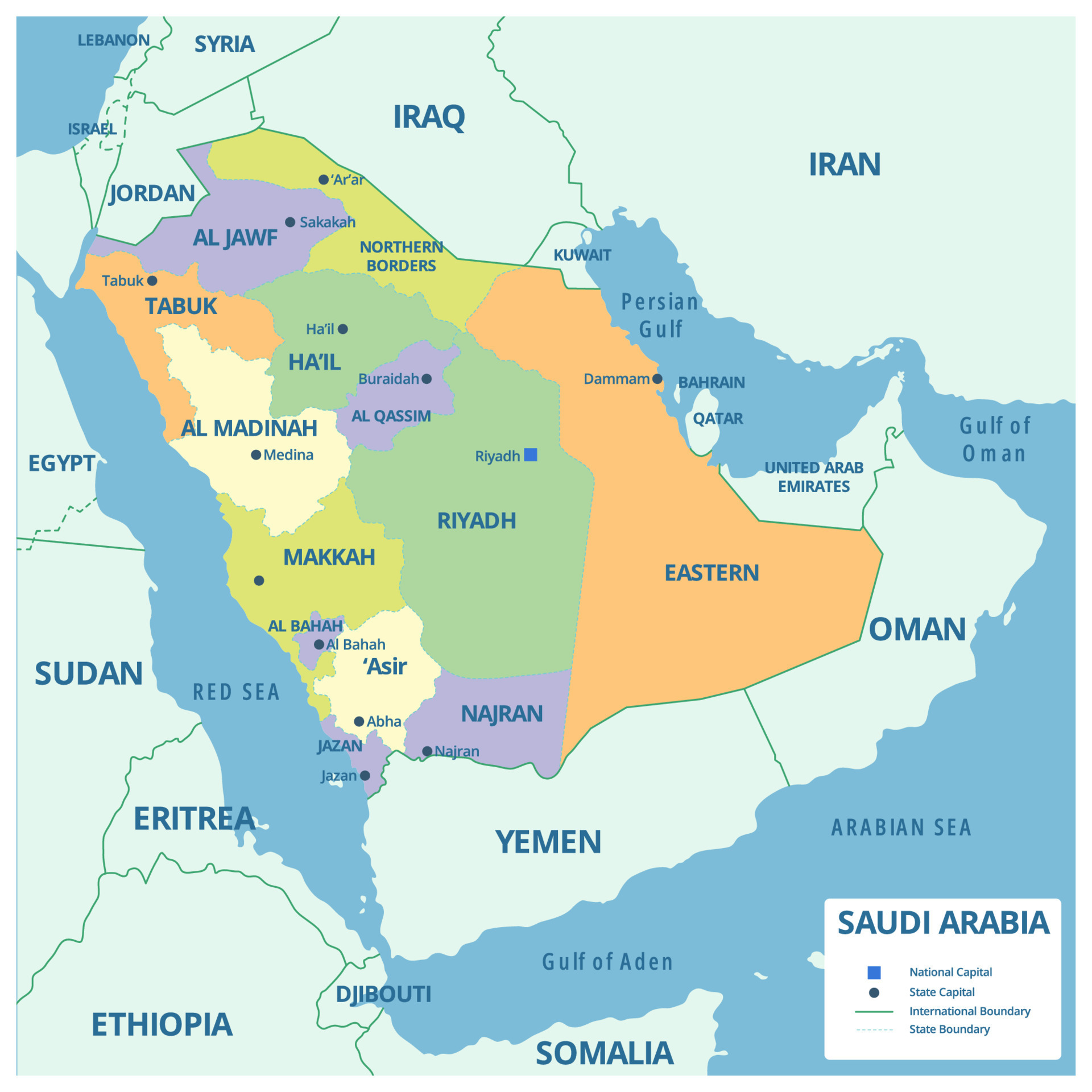
Saudi Arabia marks its National Day every year on September 23 to commemorate the historic royal decree issued by King Abdulaziz Al Saud in 1932. That decree officially united the kingdoms of Nejd and Hejaz under the banner of the Kingdom of Saudi Arabia. Far beyond a simple day off work, the anniversary serves as a nationwide reflection on the country's rapid transformation, cultural roots, and future ambitions.
The 93rd anniversary carried a distinct tone, blending deep gratitude for historical sacrifices with a clear look toward modern economic and social reforms. Public squares, skyscrapers, and residential streets transform into seas of green and white as citizens display the national flag, host community gatherings, and participate in official festivities.
The Historical Roots of Unification
Understanding why September 23 holds such weight requires looking back at the decades of tribal unification led by King Abdulaziz. Before 1932, the Arabian Peninsula was a patchwork of distinct regions, emirates, and fiefdoms with fluctuating alliances. Through strategic campaigns and treaties, King Abdulaziz consolidated territories ranging from the central Najd to the western Hejaz.
The royal decree issued in 1932 didn't just stitch borders together; it forged a collective national identity. It established Arabic as the official language and designated the Quran as the nation's constitution. For families across the country, National Day is an annual touchstone to honor the perseverance of the founders who turned a fragmented desert region into a stable, sovereign state.
Core Themes and Identity: "This is Our Home"
Every year, the General Entertainment Authority releases an official theme and visual identity for the holiday. The 93rd anniversary operated under the slogan "We Dream and We Achieve" (Nahlam wa Nഹ്q haq), anchored by the secondary concept "This is Our Home".
The visual branding featured a man and a woman surrounded by outlines of ambitious national projects. This design choice deliberately highlighted the country's youth demographic as the primary driving force behind the nation's evolution. Featured landmarks in the branding included giga-projects tied to Saudi Vision 2030, such as:
- NEOM and its linear city project, The Line
- The historical restoration work in Diriyah
- The cultural tourism initiatives in AlUla
- The Red Sea development and Amaala projects
By linking the holiday to these developments, the celebrations reframed historical pride as an active commitment to economic diversification, moving the economy away from its historic reliance on oil.
Nationwide Celebrations and Public Festivities
Cities across Saudi Arabia host major events funded and coordinated by public and private entities. The scale of these celebrations has grown exponentially over the past decade.
Air Shows and Military Parades
Royal Saudi Air Force jets execute precision air shows across major urban centers like Riyadh, Jeddah, and Dammam. Fighter jets stream green smoke across the sky while trailing national flags. Meanwhile, ground security and defense forces stage organized vehicle parades, allowing citizens to witness military readiness firsthand.
Fireworks and Nightlife
As evening falls, coastal cornniches and city skylines light up with synchronized fireworks displays. Locations like the Jeddah waterfront host some of the largest displays in the region. Music festivals, such as the Azimuth festival in AlUla, bring together regional and international artists for multi-day concerts.
Traditional Arts and Culinary Heritage
Local communities celebrate through traditional performance art. The Ardha, a traditional sword dance involving rhythmic drumming and poetry recitation, takes center stage at public festivals. Families also prepare traditional dishes such as jeresh and sa'saidah, sharing home-cooked meals with neighbors to mark the holiday spirit.
Economic Impact and Retail Promotions
National Day functions as a major retail driver within the kingdom. Commercial sectors experience a massive surge in consumer activity due to the statutory public holiday.
- Hospitality and Travel: Airlines, luxury hotels, and resorts offer targeted discounts to encourage domestic tourism. Families often use the long weekend to travel between provinces.
- Retail and Dining: Shopping malls and restaurants launch limited-time promotional campaigns, themed merchandise, and special discounts, driving high foot traffic.
Frequently Asked Questions
Is Saudi National Day a paid public holiday?
Yes, September 23 is designated as an official national holiday for both public and private sector employees across the Kingdom.
How does Saudi National Day differ from Founding Day?
National Day (September 23) commemorates the 1932 unification of the country as Saudi Arabia. Founding Day (February 22) marks the establishment of the first Saudi state by Imam Mohammed bin Saud in 1727.
What is the significance of the green color during celebrations?
Green is the primary color of the Saudi national flag, representing peace, prosperity, and Islam. It dominates clothing, banners, lighting displays, and decorations during the holiday.



