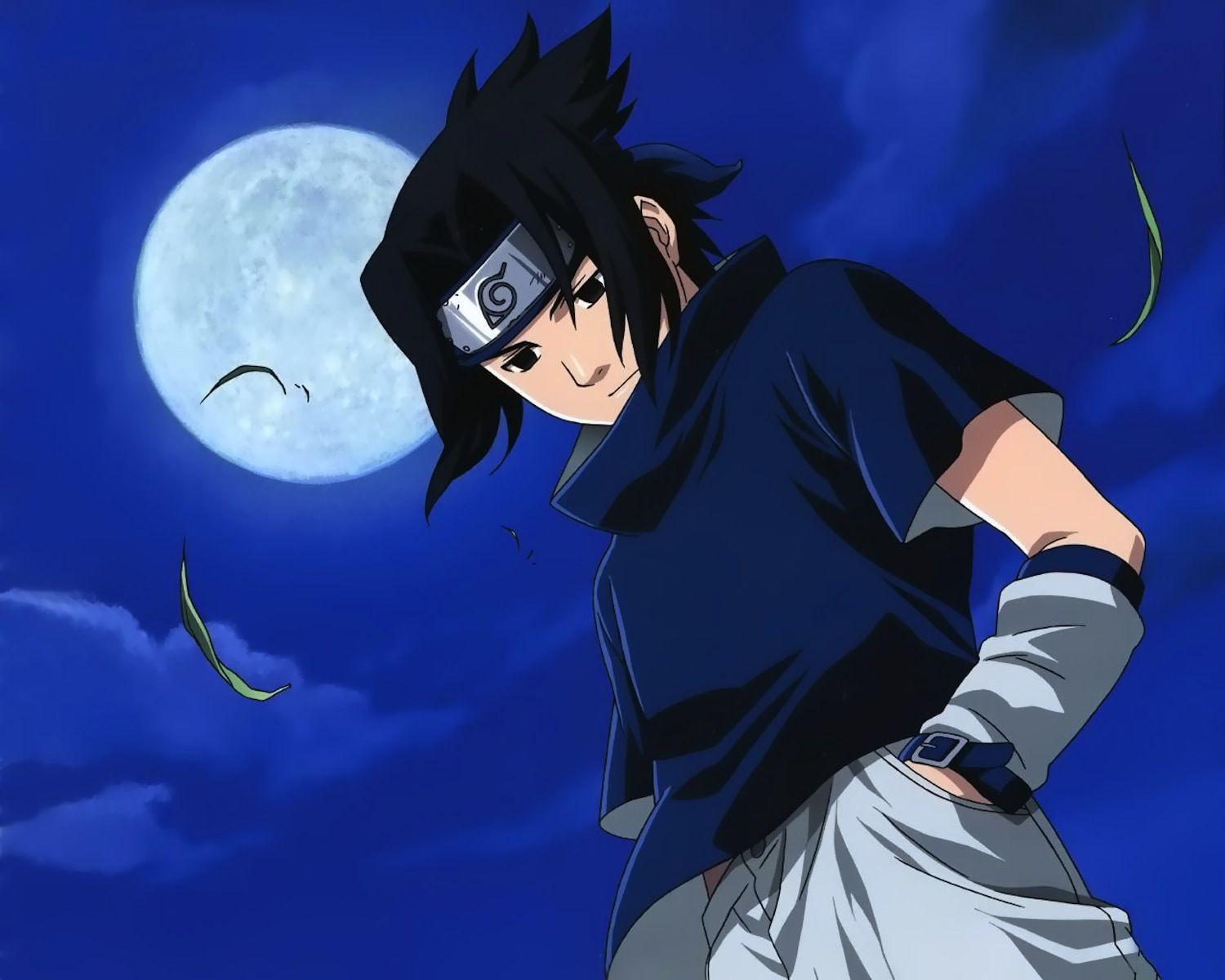
The confrontation between Sasuke Uchiha and his older brother Itachi stands as one of the most calculated character studies in modern fiction. Set within the abandoned Uchiha compound, this battle serves as the emotional and narrative climax of years of built-up tension in Naruto. It's not just a clash of jutsus; it's the tragic endpoint of generational trauma, village-level politics, and blind sacrifice. You aren't watching two brothers merely settle a score. You're watching a carefully orchestrated performance where every technique, illusion, and whispered word carries the weight of a hidden conspiracy.
Understanding this clash requires looking past the flashy fire styles and lightning-fast hand signs. Itachi entered the story as a haunting enigma, the prodigy who wiped out his entire clan in a single night. Sasuke spent years chasing that phantom, pouring every ounce of his grief into mastering lightning release just to pierce his brother's heart. When they finally lock eyes in the rain-slicked corridors of their childhood home, the stakes couldn't be higher. Yet, the truth of their encounter shatters everything Sasuke thought he knew about loyalty, family, and the Hidden Leaf Village.
The Weight of the Uchiha Clan Massacre
To understand why Sasuke fights with such blinding fury, you have to look at the night that birthed his trauma. Itachi didn't just leave Sasuke an orphan; he left him with a twisted sense of purpose. For years, Sasuke believed his brother was a psychotic traitor who slaughtered their family to test his own capacity. Konoha's leadership capitalized on this silence, keeping the truth locked away to prevent a civil war.
Danzo Shimura and the village elders forced Itachi into an impossible corner. They presented him with a brutal binary choice: execute his own clan to prevent a violent coup that would destroy the village, or join his family and die alongside them while leaving Sasuke defenseless in the crossfire. Itachi chose absolute damnation. He took on the mantle of international criminal and pariah so his younger brother could live.
- The Burden of Secrecy: Itachi bore the hatred of the entire ninja world without a word of defense.
- The Psychological Trap: By pushing Sasuke toward vengeance, Itachi manufactured a rival strong enough to eventually kill him, cleansing the Uchiha name in the process.
- The Illusion of Strength: Sasuke built his entire identity around hatred, not realizing that every step he took was guided by a dying brother's desperate protective instincts.
Breaking Down the Battle Phases
The fight unfolds in distinct layers, shifting rapidly from physical engagement to high-level psychological warfare. Itachi's failing health dictates the pace, but his tactical brilliance keeps Sasuke on the defensive.
Phase 1: Shuriken Jutsu & Fire Style (Testing boundaries and establishing distance)
Phase 2: Genjutsu Layering (Fighting within illusions and dismantling reality)
Phase 3: Kirin vs. Amaterasu (Escalating to ultimate techniques and brute force)
Phase 4: Susanoo & The Orochimaru Extraction (The final physical clash)
Right from the start, they trade shuriken and fireball techniques with terrifying precision. Sasuke unleashes his modified fireball, but Itachi counters effortlessly, demonstrating the vast experience gap between them. Soon, the battle slips entirely into the mind. Itachi traps Sasuke in intense genjutsu sequences, tearing away illusions to get close enough to extract the Sharingan eyes.
Sasuke fights back with pure desperation, utilizing every trick he learned under Orochimaru. When his chakra runs dry, he forces a desperate gambit. He fires powerful dragon-shaped fireballs into the sky, heating the atmosphere to generate a massive natural lightning storm. This leads to the deployment of Kirin, a lightning dragon that strikes with inescapable speed, forcing Itachi to awaken his ultimate defense: the Susanoo.
The True Meaning Behind Itachi's Final Act
The most devastating moment of the confrontation doesn't involve a sword strike or a massive explosion. It happens when Itachi collapses, walking toward a cornered Sasuke with a blood-stained hand reaching out. For a split second, Sasuke flinches, expecting the fatal blow that will rip his eyes away. Instead, Itachi simply taps his forehead with two fingers—the exact gesture he used to use when Sasuke was a child and too busy to train.
"Forgive me, Sasuke... there is no next time."
With those final words, Itachi dies of his terminal illness, leaving Sasuke alive, victorious, and utterly broken. The physical fight ends, but the psychological aftermath destroys Sasuke's worldview. Later, when Obito Uchiha reveals the truth about the massacre, Sasuke learns that his entire quest for revenge was a manufactured tragedy orchestrated by the very village Itachi died protecting.
Frequently Asked Questions
Did Itachi intend to lose the fight?
Yes. Itachi engineered the fight to achieve specific goals: exhaust Sasuke's chakra to draw out Orochimaru, seal away the curse mark permanently, and die by his brother's hand so Sasuke would be viewed as a hero in Konoha. His failing health ensured he wouldn't survive the encounter regardless.
How did Sasuke survive Kirin?
Sasuke didn't dodge Kirin; he used it to shatter the roof of the hideout, which provided the thermal energy required to trigger the lightning strike. Itachi survived only because he activated his spectral shield, the Susanoo, at the absolute last second, though the impact severely damaged his internal organs and broke his ribcage.
Why did Itachi give Sasuke his powers?
Before passing away, Itachi transferred his remaining ocular powers, including Amaterasu, directly into Sasuke. He did this to provide his younger brother with automatic defense mechanisms against Tobi (Obito), hoping to keep Sasuke safe from manipulation after his own death.
Was Itachi a villain or a hero?
Itachi defies simple binary definitions. He committed atrocities by murdering innocent women and children of his own clan, making him a criminal under international law. However, his motivations were entirely selfless, prioritizing the geopolitical stability of the Hidden Leaf Village and the survival of his younger brother above his own morality and reputation.



