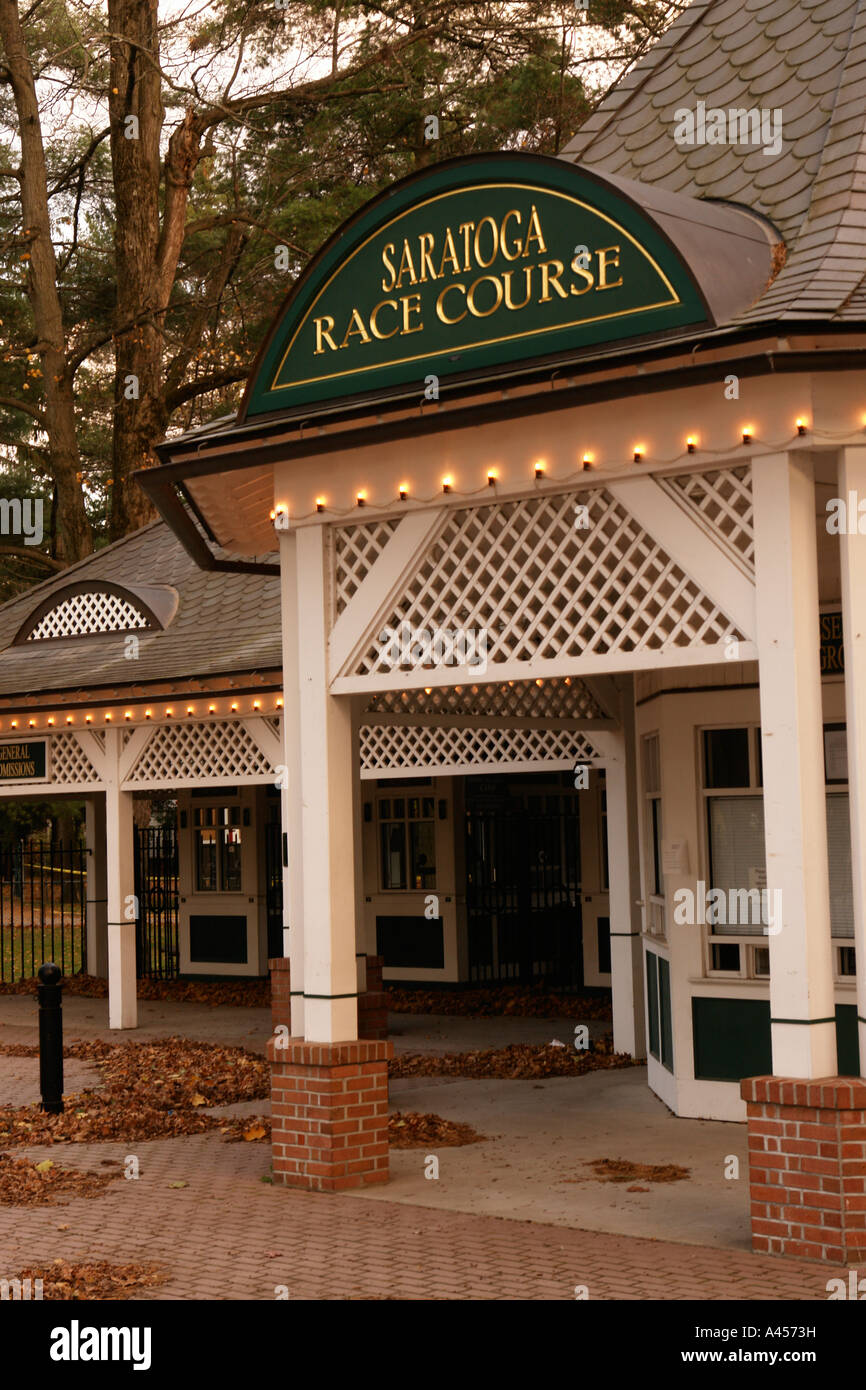
Saratoga Springs is a masterclass in American architectural history, packing distinct movements from the Gilded Age, Victorian era, and Federal period into a remarkably walkable landscape. If you skip the standard tour buses and set out on foot, you’ll uncover a dense archive of design ranging from symmetrical Renaissance Revival structures to eccentric Victorian mansions.
This self-guided architecture tour maps out the essential stops across Saratoga Springs, detailing exact routes, building styles, and historical context so you can experience the city's design evolution on your own schedule.
Planning Your Saratoga Architecture Route
Saratoga’s architectural wonders aren't confined to a single block; they span several distinct neighborhoods and surrounding parks. To tackle them efficiently, you should break your journey into two distinct phases: a morning walking tour of downtown and Congress Park, followed by an afternoon stroll or short drive up North Broadway and the East Side.
- Total Walking Distance: Roughly 3 to 4 miles if you cover downtown, Congress Park, and North Broadway.
- Best Time to Go: Spring and autumn offer ideal walking weather, while summer brings vibrant garden landscaping that highlights historic porches and facades.
- What to Bring: Comfortable walking shoes, a water bottle, and a local map or GPS app to navigate residential side streets.
You can find comprehensive regional maps via the Saratoga County Chamber of Commerce to supplement your route.
Stop 1: Congress Park and the Canfield Casino
Begin your tour in the historic heart of the city at Congress Park. Designed originally as part of the Saratoga Spa resort complex, the park grounds set an immediate architectural tone with classical landscaping, pavilions, and historic monuments.
The crown jewel of the park is the Canfield Casino, constructed in 1870 as the Saratoga Club House by boxing champion John Morrissey. Listed on the National Register of Historic Places, the building stands as a premier example of Renaissance Revival architecture, defined by its strict symmetry, clean lines, and grand columned entryways. Today, it houses the Saratoga Springs History Museum. Step inside if you have time to observe the restored 11-foot ceilings, grand staircases, and 140-year-old decorative mirrors.
Stop 2: Downtown Broadway and Commercial Heritage
Head out of the park and onto Broadway, the wide commercial spine of Saratoga Springs. Unlike many downtowns that sacrificed their heritage for mid-century modern facades, Saratoga preserved its 19th-century commercial blocks.
- Adirondack Trust Company Building: Notice the heavy masonry, classical detailing, and secure aesthetic designed to project absolute financial stability during the height of the Gilded Age.
- The Adelphi Hotel: A stunning Victorian-era resort hotel featuring sweeping porches, ornate ironwork, and period details that capture the luxury demanded by 19th-century elite visitors.
- Historic Post Office: Look for classic civic neoclassical design elements, including symmetrical facades, heavy cornices, and durable stonework typical of early 20th-century federal architecture.
As you walk down Broadway, pay attention to the transition from commercial blocks into massive residential corridors.
Stop 3: North Broadway Residential Masterpieces
As Broadway heads north toward Skidmore College, it transforms into North Broadway, a residential avenue lined with some of the grandest historic homes in Upstate New York. This stretch functions as an open-air museum of late 19th-century domestic architecture.
You will see sprawling Queen Anne homes with wrap-around porches, imposing Second Empire houses featuring mansard roofs, and stately Colonial Revival residences. These homes were built by wealthy industrialists, politicians, and racing barons who spent their summers in Saratoga. Take your time walking this tree-lined corridor; the setbacks are deep, and the architectural detailing on gable roofs, turrets, and leaded glass windows changes with every single house.
Stop 4: The East Side and Union Avenue
East of downtown lies a distinct architectural pocket centered around Circular Street and Union Avenue. This neighborhood comprises hundreds of historic structures, carriage houses, and smaller barns tucked behind primary residences.
The absolute standout here is the Batcheller Mansion Inn located on West Circular Street. Built in 1873, it is an astonishing display of High Victorian eclectic architecture.
- Design Features: The structure features a red and gray slate mansard roof punctuated by dormers with clamshell arches, an ivory stucco facade, and a striking conical tower that evokes imagery of traditional Moorish architecture.
Walking down Union Avenue toward the historic Saratoga Race Course, you will encounter numerous smaller Victorian homes, boarding houses, and seasonal cottages that showcase how middle-class residents and visitors lived alongside the Gilded Age elite.
Stop 5: The West Side and Universal Preservation Hall
Cross back toward the western side of the city to witness a different side of Saratoga’s history. The West Side features worker housing, industrial relics, and pockets of adaptive reuse.
- Universal Preservation Hall: Located on Washington Street, this building was constructed in 1871 and stands as one of the finest remaining examples of High Victorian Gothic architecture in the United States. Built originally as a church, its soaring vertical lines, pointed arches, and massive bell tower make it an unmistakable landmark. Following a meticulous modern restoration, it now operates as a performing arts space.
For more details on municipal preservation efforts, check out the Saratoga Springs Preservation Foundation.
Common Mistakes to Avoid on Your Tour
- Rushing the Residential Pockets: Visitors often spend all their time on Broadway and completely miss the hidden carriage houses and detailed Queen Anne framing on the East and West sides.
- Ignoring the Signage: Many historic homes feature small plaque markers detailing original owners and construction dates. Take a moment to read them—they reveal fascinating local history.
- Failing to Wear Proper Footwear: Historic sidewalks in Saratoga can be uneven due to mature tree roots. Leave smooth-soled dress shoes at the hotel.
Frequently Asked Questions
How long does the self-guided architecture tour take?
If you walk the core downtown, Congress Park, and North Broadway loops at a leisurely pace with stops for photos, expect the tour to take between two and three hours.
Are these buildings open to the public?
Most of the grand homes on North Broadway and Union Avenue are private residences or operational inns (like the Batcheller Mansion Inn). You can admire their exteriors, gardens, and porches freely from the public sidewalk, but interior access is restricted unless you are a registered guest or attending a special open house tour.
Is the walking route accessible?
Downtown sidewalks feature curb cuts and wide, flat paving. However, some historic residential side streets have older brick or stone paving elements that require careful navigation.
Can I drive parts of the tour instead of walking?
Yes. If you prefer a driving tour, you can easily motor down North Broadway, circle the East Side neighborhoods, and even take a short drive south to view the historic structures at Saratoga Spa State Park.


