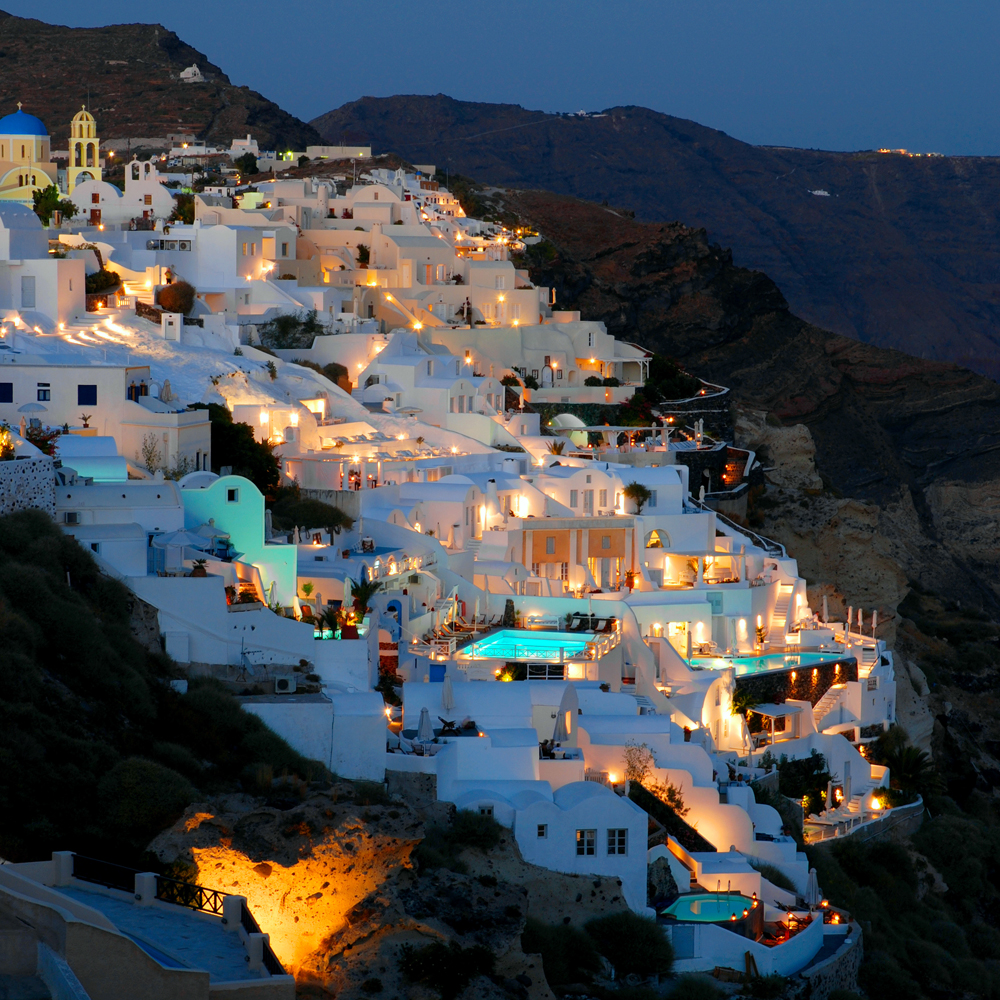
Santorini Honduras is a masterplanned coastal development located in Tela, Atlántida, on the Caribbean coast of Honduras. It blends the whitewashed architectural aesthetics of the Greek Cyclades with tropical Caribbean geography, targeting international buyers, expatriates, and digital nomads seeking a curated resort lifestyle.
Understanding whether this high-profile enclave matches your real estate goals requires looking beyond the marketing brochures. You need clear insights into property types, local infrastructure, purchasing regulations for foreign buyers, and what daily life actually entails in this stretch of Central America.
The Setting: Geography of Tela, Atlántida
Tela is situated along the northern Caribbean shoreline of Honduras, roughly 90 minutes northeast of San Pedro Sula by car. Known historically as a banana port and subsequently as a laid-back beach town, Tela features extensive stretches of white-sand coastline backed by tropical foliage and protected reserves like Punta Sal National Park.
The enclave occupies a specialized coastal strip designed to maximize sea views while remaining connected to mainland amenities. Unlike rugged or isolated stretches of the Honduran coast, Tela offers established medical clinics, supermarkets, banks, and an emerging culinary scene. However, buyers should note that infrastructure outside gated communities can vary. Potholed secondary roads and occasional power grid fluctuations are common realities of Honduran coastal living, requiring developments like Santorini to rely heavily on backup generators and private utility management.
Architectural Fusion and Enclave Layout
The core aesthetic draws directly from Mediterranean design templates. Picture crisp white facades, cobalt-blue accents, arched entryways, and stepped terraces tumbling toward the water.
Yet, translating Greek island architecture to a humid, tropical environment requires careful engineering. Traditional Mediterranean masonry can trap humidity, leading to mold and structural decay if not adapted. Developers in projects of this scale typically utilize reinforced concrete frameworks treated with specialized moisture-resistant sealants, high-impact windows to withstand tropical storms, and corrosion-resistant hardware to combat sea salt exposure.
Within the enclave, the layout prioritizes walkability and views. Residential blocks, shared infinity pools, and boutique commercial plazas form a self-contained ecosystem. This setup appeals to buyers wanting a lock-and-leave second home managed by a central homeowners association (HOA).
Real Estate Options and Market Realities
Navigating property acquisition in Honduras as a foreign national involves specific legal frameworks. Under Honduran law, foreigners can own property directly, with restrictions on owning land within 40 kilometers of international borders or the coastline—though coastal acquisition is legally permissible through designated tourism zones, special development decrees (such as ZEDE frameworks or tourism concession laws), or by establishing a local corporate entity. Always retain an independent, bilingual real estate attorney in Honduras to verify title history at the Instituto de la Propiedad before signing agreements.
- Condominiums and Apartments: Ideal for low-maintenance investors, typically featuring open-plan kitchens, private balconies, and shared amenity access.
- Townhouses and Villas: Larger footprints offering private plunge pools, multiple bedrooms, and expansive outdoor living spaces configured for entertaining.
- Fractional Ownership and Fractional Models: Increasingly common in emerging luxury developments, allowing buyers to purchase deeded weeks or shares.
Prices vary based on proximity to the shoreline and square footage. While initial marketing pitches position these units as high-value alternatives to saturated Caribbean markets like Costa Rica or Belize, buyers must factor in HOA fees, property taxes (which are generally low in Honduras, calculated at nominal municipal rates), and potential resale liquidity constraints.
Lifestyle, Amenities, and Daily Practicalities
Living or vacationing in a masterplanned enclave like Santorini Honduras means trading some local spontaneity for security and convenience. Gated perimeters, 24-hour guard services, and private beach access create an insulated bubble.
On-site amenities typically include fitness centers, wellness spas, multi-tier swimming pools, and fine-dining venues. For remote workers and digital nomads, high-speed fiber-optic internet is a baseline necessity. While major providers in Tela offer reliable broadband connections, service interruptions can happen during heavy seasonal rains, making redundant cellular hotspot setups wise.
Outside the gates, daily life moves at a relaxed Caribbean pace. Residents frequent local seafood shacks along the Tela beachfront, explore the nearby Garifuna villages like Triunfo de la Cruz to experience rich Afro-Honduran culture and music, or take weekend trips inland to Lancetilla Botanical Garden, one of the largest tropical botanical gardens in the world.
Common Mistakes Made by Coastal Buyers
Buying property in a developing coastal destination carries unique financial and logistical risks. Avoid these frequent missteps:
- Skipping independent title searches and relying entirely on developer-provided paperwork.
- Underestimating tropical maintenance costs, particularly saltwater corrosion on outdoor fixtures and air conditioning units.
- Ignoring exit liquidity. Boutique enclaves in emerging markets can take longer to resell than established properties in North America or Europe.
- Failing to visit during the rainy season (typically starting in late autumn and extending through winter) to evaluate regional drainage and humidity levels firsthand.
Frequently Asked Questions
Can foreign citizens legally buy property in Santorini Honduras?
Yes, foreign nationals can purchase real estate in Honduras. However, coastal and border land restrictions mean purchases must comply with specific tourism law exemptions or be structured through a local corporation. Legal counsel is essential.
How far is Santorini Honduras from the nearest international airport?
The closest major international hub is Ramón Villeda Morales International Airport (SAP) in San Pedro Sula. The drive from the airport to Tela takes approximately 1.5 hours via well-paved highway corridors.
What are the estimated HOA fees and maintenance costs?
HOA fees vary depending on property size and shared amenities. They typically cover 24-hour security, common area landscaping, pool maintenance, and waste management. Request a transparent breakdown of projected monthly fees directly from property management before committing.
Is healthcare readily accessible near Tela?
Tela features local clinics and pharmacies capable of handling routine medical needs. For specialized care, major hospitals in San Pedro Sula are accessible within a 90-minute drive.


