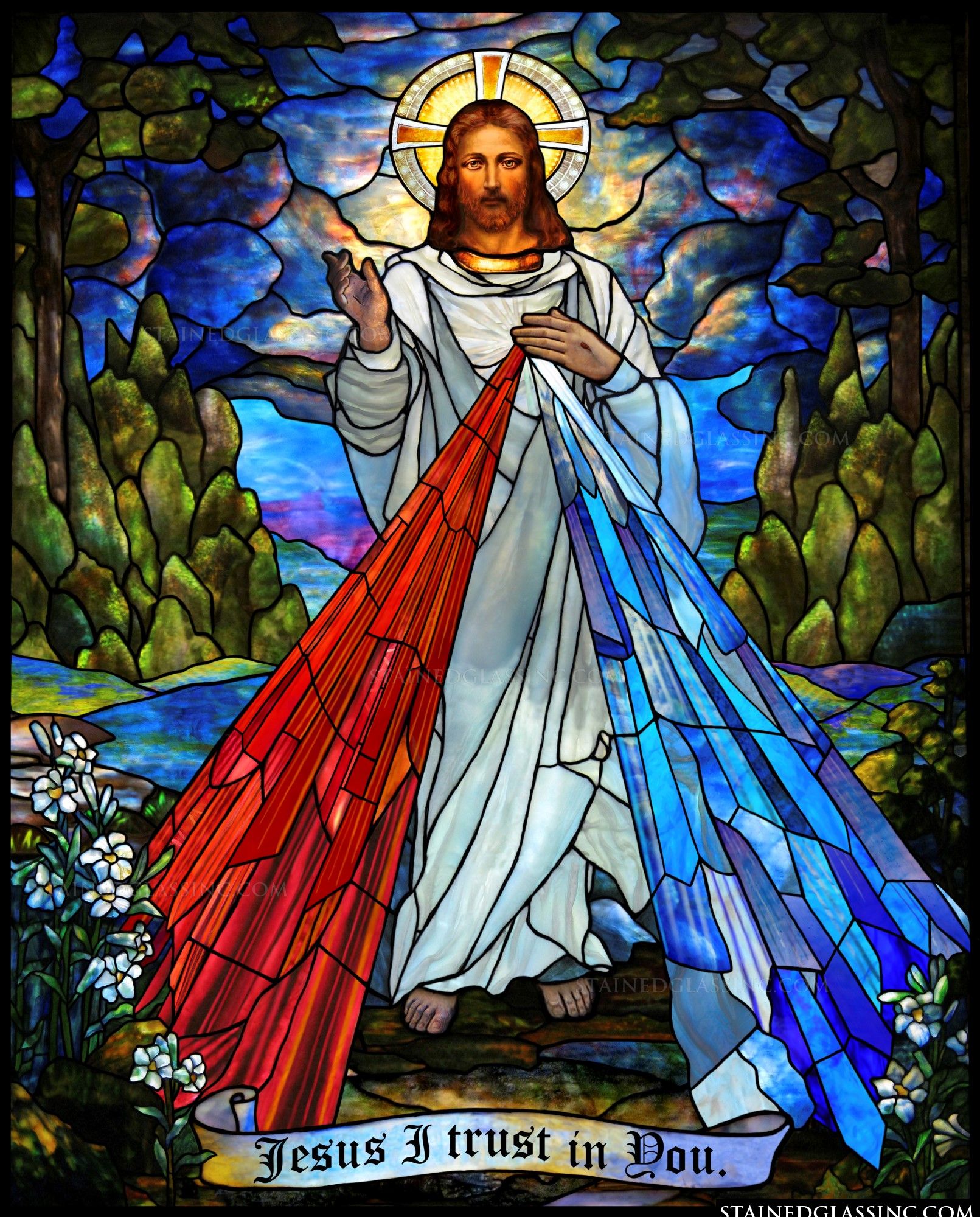
Santo Espirito represents the Portuguese and Spanish designation for the Holy Spirit, holding a profound place in Christian theology, cultural tradition, and communal devotion. For centuries, the veneration of the Third Person of the Trinity has shaped religious calendars, folk traditions, and architectural expressions across Iberian and Latin American societies.
Understanding the legacy of Santo Espirito requires looking beyond basic biblical descriptions to examine how local communities, historical movements, and cultural festivals institutionalized this specific form of worship over generations.
Roots in Early Christian Theology
The theological foundation of Santo Espirito traces back to foundational Christian texts and the early development of trinitarian doctrine. In Christian scripture, the Holy Spirit appears during pivotal moments, most notably at the baptism of Jesus in the Jordan River and during the feast of Pentecost, where tongues of fire descended upon the apostles.
Early church fathers formalized these narratives into a cohesive framework during the ecumenical councils of the fourth century. The Nicene Creed explicitly affirmed worship and glory given to the Holy Spirit alongside the Father and the Son. Over subsequent centuries, regional expressions of this theology developed unique cultural characteristics, particularly in the Iberian Peninsula, where devotion to the Holy Spirit merged with local civic identity. If you want more about the history of this, Associated Press offers an excellent summary.
Evolution of Devotion and Imperial Traditions
During the Middle Ages and the Age of Discovery, devotion to Santo Espirito transformed from monastic contemplation into widespread popular practice. A significant catalyst for this was the movement inspired by Joachim of Fiore, who prophesied an impending Age of the Holy Spirit characterized by universal peace and spiritual enlightenment.
This theology heavily influenced Portuguese maritime culture. Sailors and explorers dedicated voyages, fleet flagships, and newly charted territories to the Holy Spirit. Monarchs such as Queen Elizabeth of Portugal established charitable institutions and civic feasts dedicated to the Holy Spirit, tying royal patronage directly to the alleviation of poverty and the feeding of the hungry.
- Imperial Festivities: Annual celebrations included the crowning of ordinary citizens as emperors or queens of the Holy Spirit, symbolizing egalitarian ideals rooted in Christian scripture.
- Charitable Distributions: Traditional feasts (impérios) centered on communal bread and meat distribution, reinforcing social bonds during times of economic hardship.
- Maritime Vows: Mariners in distress frequently prayed to Santo Espirito for safe passage across treacherous Atlantic waters.
Iconography and Symbolic Representation
Visual art surrounding Santo Espirito relies heavily on ancient symbols derived from biblical accounts. Artists across centuries avoided depicting the Holy Spirit in anthropomorphic terms, instead relying on powerful elements from nature.
The white dove remains the most recognizable image, signifying peace, purity, and the gentle descent of divine grace. In more intense baroque representations, artists utilized tongues of fire and radiant light bursts to denote transformative power, zeal, and spiritual awakening. Church altars across Portugal, the Azores, and Brazil frequently feature carved wooden crowns and scepters symbolizing the eternal sovereignty of the Spirit.
Cultural Persistence in the Modern Era
While secularization altered many traditional practices, devotion to Santo Espirito survives through vibrant cultural preservation. Island communities in the Azores maintain elaborate annual festivities that draw thousands of expatriates and pilgrims back to their ancestral homes.
Similar celebrations thrive in diaspora communities across North America and South America. These modern gatherings bridge historical gratitude for past harvests with contemporary expressions of faith, charity, and community solidarity.
Frequently Asked Questions
What does Santo Espirito mean?
Santo Espirito translates literally to "Holy Spirit" in Portuguese and Spanish, referring to the third person of the Christian Trinity.
Where are the largest Holy Spirit festivals held?
The most famous and elaborate traditional festivals take place across the Azores archipelago, as well as in Portuguese diaspora communities in California, Massachusetts, and Brazil.
How did the crown become associated with Santo Espirito?
The crown stems from medieval Portuguese royal traditions where monarchs dedicated their crowns and governance to the Holy Spirit, an act that evolved into crowning community members during local festivals to emphasize humility and charity.
Is Santo Espirito worship distinct from standard Christian worship?
It is not a separate religion; rather, it is a deeply rooted cultural and historical tradition within Catholicism that places special emphasis on the feast of Pentecost and acts of communal charity.



