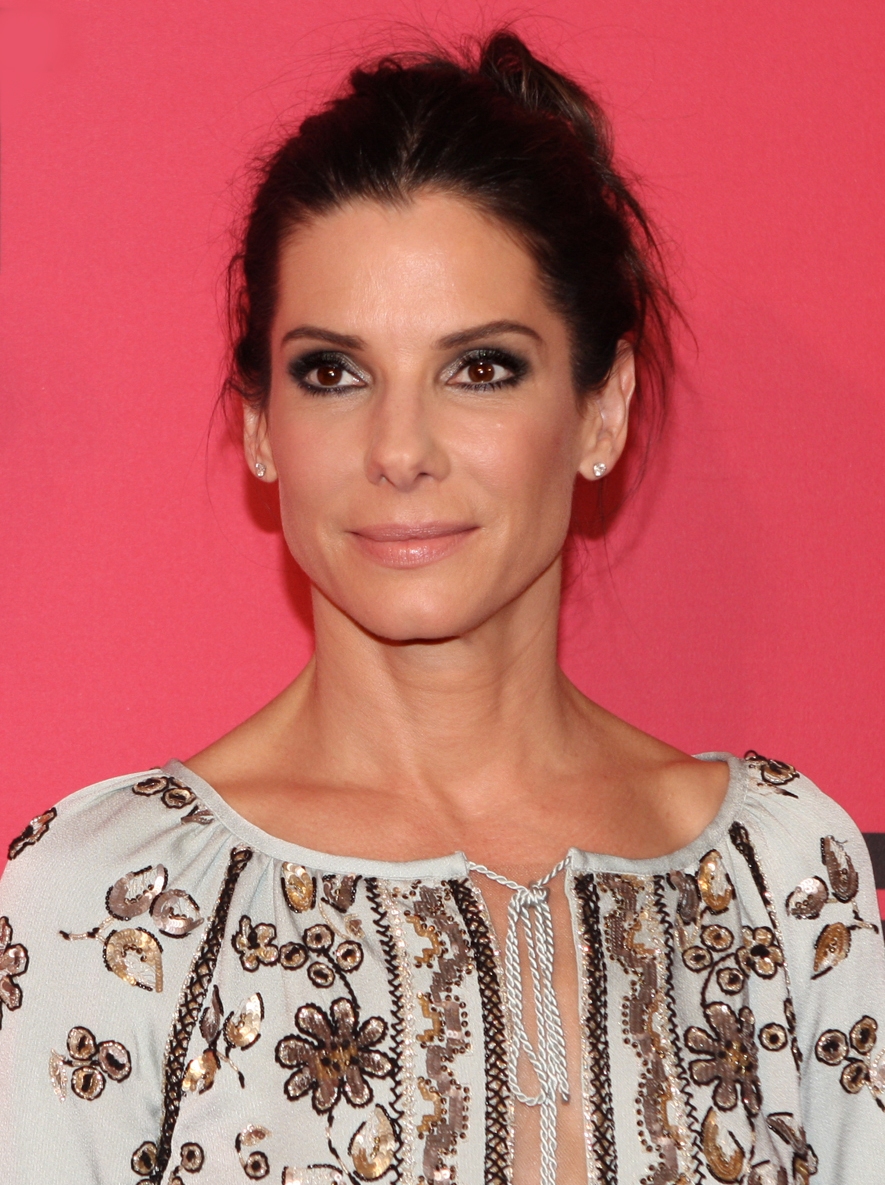
Television presence relies on more than memorized scripts and crisp lighting. For long-standing broadcast journalists like Sandra Smith, co-anchor of America Reports on Fox News, evolving an on-camera look is a strategic exercise in maintaining authority, relevance, and connection with millions of daily viewers. When public figures shift their visual presentation, style choices, or delivery mechanics, it signals a deeper alignment between personal evolution and professional brand management.
Adapting a broadcast persona requires balancing network styling traditions with personal authenticity. Viewers notice subtle adjustments in wardrobe, posture, framing, and vocal cadence. Understanding how public figures refine their visual footprint offers a practical masterclass in modern media presentation, non-verbal communication, and professional reinvention under studio lights.
The Anatomy of Broadcast Presence
Mastering the television lens demands a precise blend of physical posture, vocal control, and wardrobe strategy. Unlike print or digital journalism, television places an immediate magnifying glass on non-verbal cues.
Posture and Physical Alignment
Authority on camera begins with posture. Anchors spend hours seated behind desks or standing before video walls, making core stability essential. Slouching breaks viewer trust instantly, while an open, grounded posture projects command of the subject matter.
- Shoulder Positioning: Keeping shoulders relaxed yet back prevents a tense appearance under harsh studio grid lighting.
- Torso Lean: A slight forward lean toward the camera lens communicates active engagement with the audience at home.
- Hand Gestures: Controlled, purposeful movements within the frame enhance points without distracting from facial expressions.
Wardrobe Choices as Communication
Wardrobe in broadcast news is never accidental. Stylists work alongside anchors to select garments that translate cleanly through high-definition broadcast equipment without causing visual distortion or color bleeding.
Solid colors, structured blazers, and clean necklines dominate professional newsrooms because they frame the face effectively. Patterns are often minimized to prevent strobe effects on screen, and color choices are curated to evoke specific moods—from trustworthy navy blues to energetic brights that keep viewer engagement high during long programming blocks.
Navigating On-Camera Evolution
When a prominent media figure introduces a refreshed aesthetic, it often coincides with career milestones or shifts in broadcast format. Transitioning from financial reporting on the floor of the Chicago Mercantile Exchange to anchoring complex hard-news desks requires wardrobe versatility.
Functional Utility vs. Aesthetic Appeal
Early in her career covering financial markets, practicality dictated wardrobe choices. Field reporting and exchange floor coverage demand mobility, durable fabrics, and accommodations for audio equipment packs. Moving into studio-heavy anchor roles allows for tailored silhouettes, refined tailoring, and a more focused visual identity.
- Structured Separates: Essential for mobile reporting and dynamic set environments.
- Tailored Dresses: Provide a streamlined, classic silhouette suited for extended desk segments.
- Strategic Color Theory: Using jewel tones and vibrant blazers to maintain visual contrast against neutral studio backdrops.
Managing Public Perception and Digital Scrutiny
In the era of social media clips and instant online commentary, every visual adjustment made by a public figure is heavily analyzed. Maintaining composure while subjected to public scrutiny is part of the modern media landscape. Successful anchors manage this by remaining consistent in their delivery, letting their journalism outshine superficial commentary.
Practical Takeaways for Professional Presentation
Adapting principles from broadcast veterans can significantly improve anyone's performance in virtual meetings, video presentations, or public speaking engagements.
- Optimize Your Framing: Position your camera at eye level. Looking slightly down creates an unintended power dynamic, while looking up can feel disconnected.
- Choose Solid Medium Tones: Avoid stark white or pitch-black clothing, which trick digital sensors. Jewel tones and rich mid-tones provide optimal contrast on webcams.
- Minimize Distractions: High-contrast patterns or jangling jewelry pull attention away from your message. Keep accessories understated.
- Anchor Your Breath: Speak from your diaphragm rather than your throat to maintain a steady, authoritative vocal tone throughout your presentation.
Frequently Asked Questions
What role do stylists play in television news appearances?
Networks employ dedicated wardrobe professionals who curate seasonal wardrobes. These stylists ensure that clothing choices comply with technical broadcast requirements while fitting the personal brand of the anchor.
Why do news anchors favor solid colors over busy patterns?
High-definition cameras and digital compression algorithms struggle with fine patterns like houndstooth or tight stripes, causing a visual distortion known as moiré. Solid colors eliminate this issue entirely.
How can professionals improve their on-camera confidence?
Confidence stems from preparation and physical comfort. Practicing proper posture, establishing consistent eye contact with the camera lens rather than the screen, and wearing clothes that feel natural build instant executive presence.
Does wardrobe impact how authority is perceived on screen?
Yes. Structured garments like blazers and tailored jackets carry traditional associations with professionalism and leadership, helping to establish immediate credibility with an audience.
Sandra Smith's Career and Style Analysis
This video provides an in-depth look at Sandra Smith's career trajectory and public presence in broadcast journalism.


