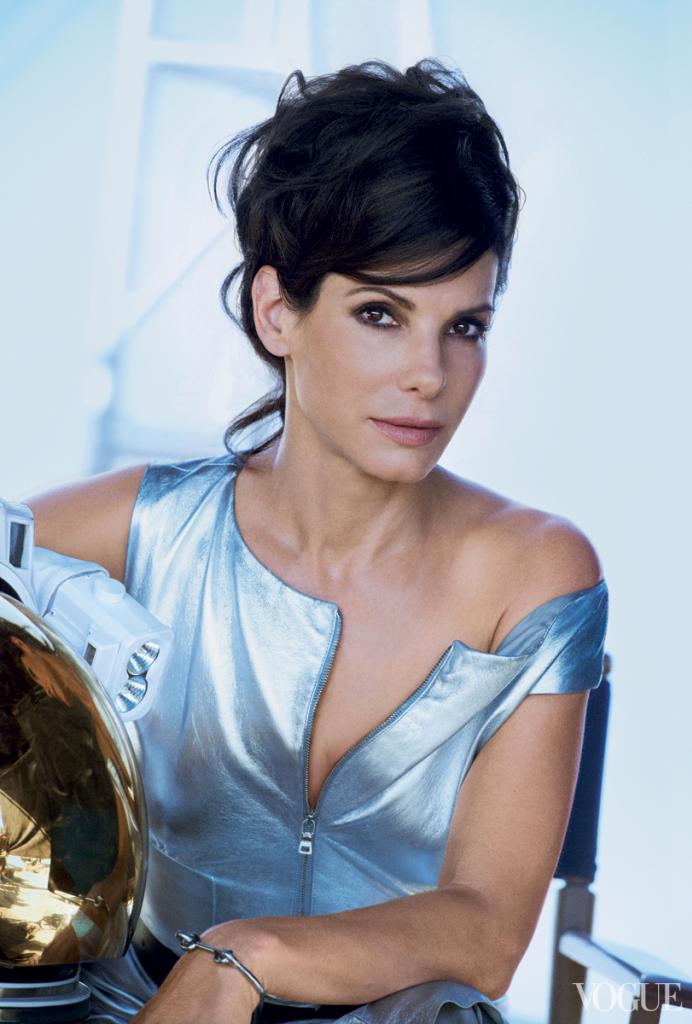
When audiences look at television anchors, they usually see a product of heavy studio standardization. Cable news networks spend decades maintaining strict cosmetic expectations, where on-air talent adheres to uniform styling guidelines. That rigid visual formula creates a massive barrier between public figures and the people watching at home. Viewers increasingly crave raw credibility over manufactured perfection, pushing industry figures to rethink how they present themselves on air.
We don't often see mainstream cable anchors step outside those traditional cosmetic constraints. Broadcast networks lean heavily on heavy lighting, professional powder rooms, and standard television wardrobes to project authority. Yet, the conversation around realness in media goes far beyond surface-level appearances. It touches on how reporters handle live interviews, manage breaking news errors, and connect with everyday citizens without relying on teleprompter polish.
The Evolution of Cable News Standards
Traditional broadcasting grew out of a studio culture that valued absolute uniformity. Producers designed anchor desks to look immaculate, ensuring every element of a broadcast felt controlled. For decades, female journalists faced intense public scrutiny regarding their hair, wardrobe, and makeup choices—pressures that male counterparts rarely encountered to the same degree.
Audiences now notice the seams in that polished presentation. Social media platforms give viewers a direct line to media personalities, changing what it means to be a trusted voice. When anchors share behind-the-scenes glimpses or unscripted moments online, they strip away part of the corporate barrier. That shift forces networks to adapt their approach, balancing traditional broadcast polish with a more approachable demeanor.
Behind the Anchor Desk
Managing a daily live news program requires intense mental agility. Figures like Fox News co-anchors navigate complex political developments, financial shifts, and breaking national stories in real time. The work demands rigorous preparation rather than mere cosmetic maintenance.
- Live interviewing requires active listening over rigid adherence to a pre-written script.
- Unscripted moments often reveal an anchor's true journalistic instincts.
- Viewers quickly tune out corporate talking points in favor of genuine reactions to unexpected events.
Why Audiences Value Raw Credibility
The modern media ecosystem is oversaturated with spin and packaged narratives. People are tired of filtered perfection. They want to know that the person delivering the news understands real-world struggles. When a public figure drops the usual broadcast guard, it changes the dynamic of trust.
Trust isn't built through high-definition cameras or professional lighting kits. It comes from consistency, fair questioning, and transparency when mistakes happen. Journalists who acknowledge the complexity of a story—rather than pretending to have all the answers—earn a different level of respect from viewers.
Common Misconceptions About Television Styling
Many viewers assume that an anchor's on-air look is entirely a personal choice. In reality, broadcast styling is governed by corporate standards designed to prevent technical issues like color bleeding on older screens or harsh shadows under studio lighting.
- Total Freedom: Anchors rarely pick their daily broadcast wardrobe or style entirely independently; they work within strict network branding guidelines.
- The Makeup Myth: Heavy studio makeup isn't about vanity; it's a technical requirement to counter intense lighting arrays that wash out natural skin tones on camera.
- Permanent Persona: Public perception often traps anchors into a rigid box, ignoring their off-camera expertise, financial backgrounds, or field reporting experience.
Frequently Asked Questions
What are the main style rules for TV news anchors?
Networks typically enforce guidelines regarding neutral clothing colors, minimal distracting jewelry, and professional styling to keep the focus on the content of the news rather than the anchor's outfit.
How has social media changed broadcast journalism?
Platforms like Instagram and X allow journalists to share unfiltered personal moments, travel logs, and behind-the-scenes preparation, which humanizes them to their regular viewers.
Do male and female anchors face the same appearance pressures?
Historically, female journalists have faced disproportionate scrutiny regarding aging, hair styling, and wardrobe choices compared to their male colleagues, though public conversations are slowly shifting industry norms.
Why do newsrooms rely on heavy studio lighting?
Television cameras and studio grids require intense illumination to capture clear images, which requires specialized makeup to prevent performers from appearing washed out or overly shiny on air.


