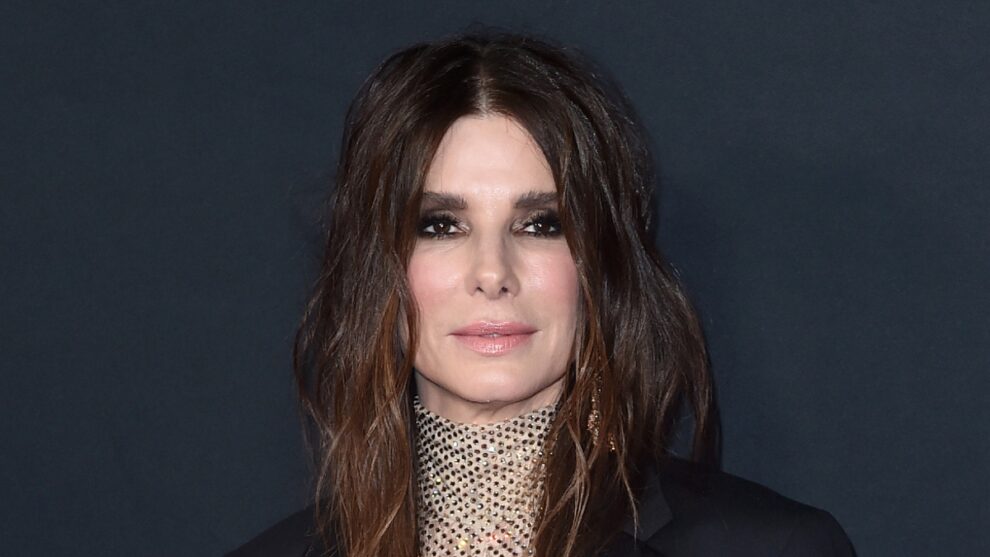
When Sandra Oh and Alexander Payne crossed paths, independent cinema was experiencing a distinct shift toward character-driven cynicism and warmth. Their brief marriage and single major professional collaboration on the 2004 film Sideways capture an era when Hollywood still carved out mid-budget space for deeply flawed, intensely human stories. Today, looking back at their work together offers a clear lens through which to examine Hollywood's ongoing struggle to prioritize artistic rigor over franchise uniformity.
Quality in the studio system isn't just about high production values; it's about narrative integrity. When commercial pressures crowd out breathing room for characters, movies lose their texture. Oh and Payne represent two distinct corners of this ecosystem—an uncompromising actor known for fierce psychological precision and an auteur dedicated to satirical yet empathetic human portraits. Examining their intersection reveals what happens when uncompromising talent meets the modern entertainment machine.
The Architecture of Sideways and Independent Realism
Released by Fox Searchlight in 2004, Sideways remains a high-water mark for contemporary American comedy-drama. Payne's direction, paired with Jim Taylor's script, leaned heavily on long scenes, quiet discomfort, and locations that felt lived-in rather than staged. Sandra Oh's performance as Stephanie injected a sharp, grounded energy that countered the depressive navel-gazing of the male leads, played by Paul Giamatti and Thomas Haden Church.
Independent filmmaking in the early 2000s relied on the willingness of studios to fund stories about ordinary, unglamorous people. Stephanie wasn't written as a sleek romantic ideal or a standard movie trope; she was practical, sharp-witted, and emotionally protective.
- Character Subversion: Oh brought an immediacy to independent roles that rejected Hollywood gloss.
- Directorial Restraint: Payne allowed scenes to unfold naturally without rushing toward manufactured emotional peaks.
- Narrative Truth: The film prioritized awkward human behavior over neat narrative resolutions.
This artistic commitment is precisely what contemporary critics and audiences miss most. As major studios shifted focus toward intellectual property and global tentpoles, the kind of mid-budget adult drama exemplified by Sideways became an endangered species.
The Quest for Quality in Modern Hollywood
The phrase "quest for quality" often sounds like corporate marketing, but for working artists, it's a daily negotiation. When Oh and Payne worked together, the industry standard allowed for risky scripts to get greenlit based on strong writing and distinct directorial voice. Since then, the center of gravity has shifted dramatically toward streaming algorithms and risk-averse franchise building.
Studio consolidation has altered how films are valued. Instead of measuring success by cultural longevity or character depth, contemporary metrics often favor immediate global streaming retention and four-quadrant box office returns. Yet, audiences consistently rally around projects that value authenticity. Whenever an actor like Oh delivers a masterclass in tension—whether in independent cinema or acclaimed television—it serves as a reminder that viewers crave substance.
According to data compiled by the Academy of Motion Picture Arts and Sciences, mid-budget adult dramas have seen a steady decline in theatrical market share over the last two decades, replaced almost entirely by high-budget fantasy and low-budget micro-indies. This polarization leaves little room for the middle tier where Payne and Oh traditionally thrived.
How Industry Pressures Shape Creative Choices
Navigating Hollywood requires balancing commercial viability with personal artistic standards. Both Oh and Payne have spoken extensively throughout their careers about the importance of maintaining creative control. For directors, this means fighting for final cut; for actors, it means turning away flat, repetitive roles in favor of complex, challenging characters.
- Selective Project Choice: Oh famously transitioned from long-running network television to complex indie films and character-driven series where psychological depth is permitted.
- Auteur Independence: Payne maintains a deliberate, slow-paced release schedule, refusing to rush into studio-for-hire blockbusters that dilute his distinct voice.
- Resisting Typecasting: Both figures have consistently subverted expectations regarding who gets to tell stories and how marginalized or eccentric characters are represented on screen.
When artists compromise too quickly to appease market trends, the work suffers. The enduring respect for Sideways stems from the fact that everyone involved refused to sand down the rough edges of the characters.
Common Misconceptions About Hollywood Auteurs
A frequent error among film commentators is assuming that a director's vision is born entirely in a vacuum, or conversely, that actors are merely instruments executing commands. In reality, quality cinema is collaborative friction.
Another common pitfall is viewing past eras of Hollywood through rose-colored glasses, pretending that commercial pressures didn't exist in 2004. Studios have always chased profits. The difference today lies in the sheer scale of risk aversion. Modern executives rely heavily on pre-existing intellectual property because original screenplays require a massive leap of faith—the exact leap that made films like Sideways possible.
For a deeper dive into the historical preservation of cinematic art, the Library of Congress Film Preservation Program offers extensive resources on how industry shifts impact the longevity of American movies.
Frequently Asked Questions
What film did Sandra Oh and Alexander Payne collaborate on?
They worked together on the 2004 critically acclaimed comedy-drama Sideways, directed by Payne, in which Oh played the role of Stephanie.
Why are mid-budget films like Sideways harder to make today?
Modern studio financing relies heavily on global box-office guarantees, franchise universes, and recognizable intellectual property, leaving fewer resources for original, character-driven adult dramas.
How did Sandra Oh approach her role in Sideways?
Oh approached Stephanie with practical realism and sharp independence, ensuring the character acted as an equal foil to the male leads rather than a passive romantic interest.
What defines Alexander Payne's directorial style?
Payne is known for blending dark comedy with human vulnerability, utilizing naturalistic dialogue, local location shooting, and deep empathy for ordinary, flawed protagonists.



