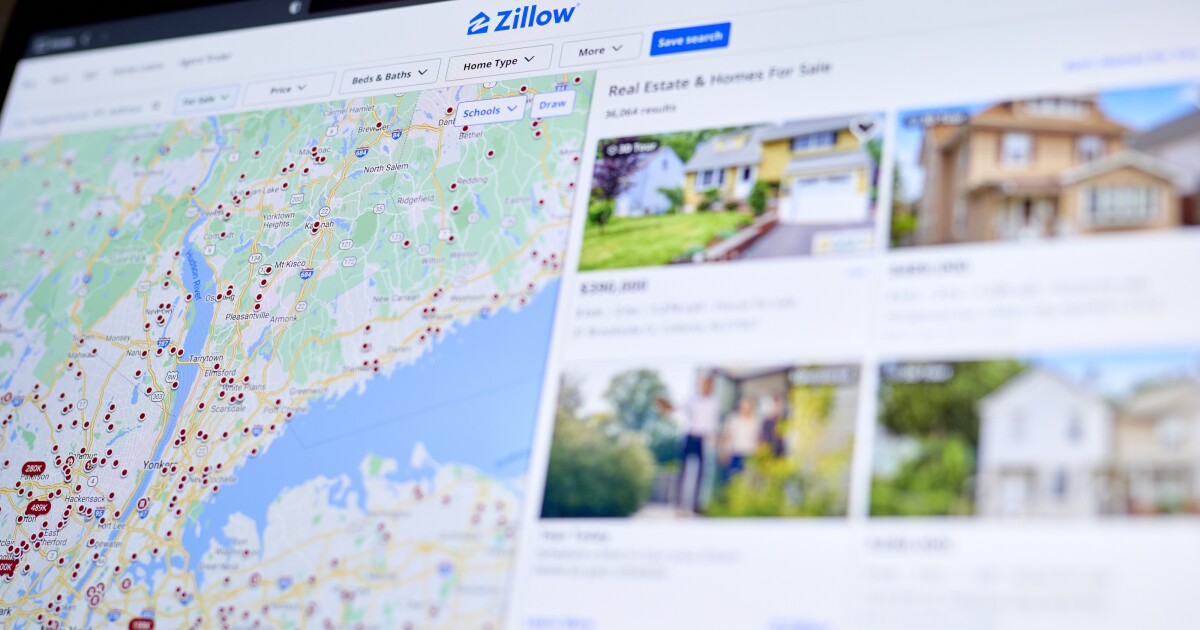
Navigating the Southern California property market requires looking past citywide averages and studying hyper-local numbers. When buyers and sellers search for San Diego home values by zip code, they want to know how individual neighborhoods compare, where prices are shifting, and which areas offer actual value. City-level statistics blur the massive gap between a beachfront property in La Jolla and an inland family home in Mira Mesa.
Median property values across San Diego hover near $980,000, but that figure tells half the story. Coastal pockets routinely exceed $3 million, while southern and eastern sectors feature entry points closer to the $600,000 to $750,000 range. Understanding how to read these geographic breakdowns helps buyers set realistic budgets and helps sellers price properties accurately based on recent transaction data from platforms like Zillow.
How Geography Drives San Diego Property Values
San Diego's real estate ecosystem is shaped by topography, coastal access, and major employment hubs. Property valuations follow a clear geographical gradient: prices peak directly along the coastline and taper off as you move east toward the mountains or south toward the international border.
Zip-code-level analysis captures these micro-climates of real estate demand. Two neighborhoods sitting only five miles apart can feature vastly different price-per-square-foot metrics, school district ratings, and inventory turnover speeds. Recognizing these divisions prevents costly mistakes when making an offer or listing a home.
Coastal Premium Zones
Zip codes bordering the Pacific Ocean command the highest valuations in the county. Neighborhoods like La Jolla (92037), Pacific Beach (92109), and Del Mar feature median values well north of $2 million.
- Limited Land Supply: Geographic boundaries restrict new construction, keeping inventory artificially tight.
- Lifestyle Demand: Walkability to beaches, high-end dining, and tourism infrastructure sustains high buyer demand regardless of broader macroeconomic interest rate shifts.
- Investor Competition: Properties here frequently attract cash buyers and vacation rental investors, driving up competition for single-family homes and luxury condominiums.
Central and Urban Core Hubs
Moving slightly inland brings you into urban and transitional neighborhoods such as Downtown (92101), North Park (92104), and Hillcrest (92103). These zip codes mix historic single-family homes with modern high-rise condominiums.
Median values in these areas generally range from $850,000 to $1.1 million. Buyers trade suburban square footage for proximity to employment centers, craft breweries, and cultural venues. Condos and townhomes dominate the inventory here, offering a different entry point for professionals who want to avoid long commutes.
Inland Suburban and Northern Corridors
Suburban districts like Mira Mesa (92126), Scripps Ranch (92131), and Carmel Valley (92130) attract families prioritizing school districts, larger lot sizes, and master-planned communities.
- Price Stability: These neighborhoods often see steadier appreciation driven by local school performance and stable neighborhood associations.
- Inventory Turnover: Homes here spend a moderate number of days on the market as families target specific school enrollment windows.
- Pricing Balances: Median prices typically span from $950,000 to $1.3 million, offering more square footage per dollar than coastal zones.
Reading Platform Data and Valuation Indices
Relying solely on automated valuation models can lead to miscalculations. Algorithms track historical sales and public records, but they miss immediate physical upgrades, deferred maintenance, or unique view corridors that drastically impact worth.
Platforms aggregate massive amounts of listing data to track market velocity, median list-to-sale ratios, and active inventory pools. When evaluating a specific zip code, look beyond the baseline median price and examine these underlying metrics:
- Days on Pending: This metric shows how fast properties move under contract. A drop below 30 days indicates a competitive environment favoring sellers.
- Sale-to-List Ratio: A ratio hovering around 1.0 means homes sell close to asking price, leaving little room for aggressive lowball offers.
- Active Inventory Volume: Low inventory pools amplify bidding wars, even when interest rates fluctuate.
Common Mistakes When Analyzing Zip Code Data
Buyers and sellers often misinterpret neighborhood statistics because they overlook hidden variables. Avoiding these pitfalls ensures your financial strategy aligns with local market realities.
- Treating a Zip Code as Homogeneous: A single zip code can contain luxury gated communities alongside older multi-family rentals. Always drill down to specific subdivision data.
- Ignoring HOA Fees: Inland and suburban zip codes frequently feature master-planned communities with monthly association dues that impact your total monthly housing budget.
- Neglecting Property Tax Variations: Different districts carry distinct Mello-Roos or special assessment taxes that alter the true cost of ownership. Consult the San Diego County Assessor for precise parcel tax histories.
Frequently Asked Questions
Why do neighboring zip codes have such wide price gaps?
Proximity to the coastline, topography, and school district performance create massive valuation divides over very short distances. A zip code with ocean views or top-tier public schools commands a steep premium over an adjacent area lacking those features.
Are Zillow Zestimates accurate for San Diego properties?
Zestimates provide a useful baseline by tracking public tax records and recent comparable sales, but they struggle to price custom renovations, view corridors, or unique architectural features accurately. Always pair algorithmic estimates with a comparative market analysis from a licensed local agent.
How do interest rates impact San Diego zip code trends differently?
Higher interest rates tend to freeze luxury coastal markets less because cash buyers make up a larger share of transactions. Conversely, suburban and entry-level zip codes are more sensitive to rate hikes because buyers rely heavily on traditional financing.
Should I buy a condo or a single-family home in urban San Diego?
Condos in zip codes like 92101 offer lower entry barriers and maintenance-free living, while single-family homes in areas like 92117 or 92115 provide land ownership and long-term appreciation potential. Your choice depends on your timeline and lifestyle preferences.


