San Antonio operates entirely within the Central Time Zone, meaning it observes Central Standard Time and Central Daylight Time throughout the year. If you're scheduling meetings across state lines, coordinating logistics, or planning a trip to the Alamo City, knowing how this time zone works keeps your schedule on track.
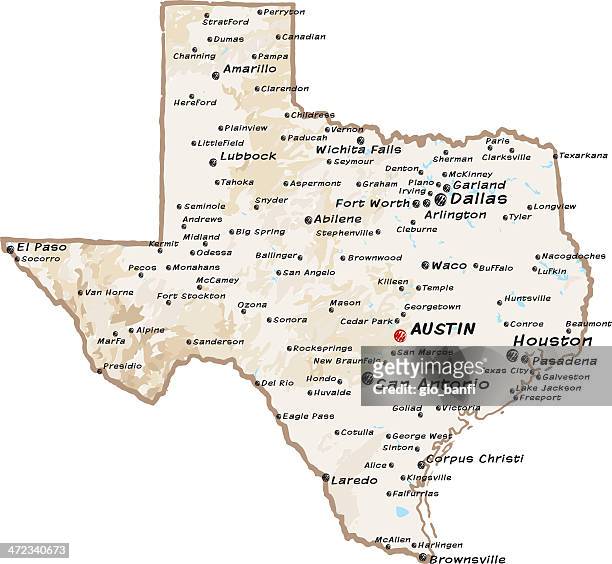
Texas is split across two time zones, with the westernmost parts of the state sitting in Mountain Time. However, San Antonio's Central Time placement aligns it with major business hubs like Chicago and Dallas, which streamlines operations for local companies and travelers alike.
The Mechanics of Central Time in San Antonio
San Antonio follows Coordinated Universal Time minus six hours during standard months and minus five hours during daylight saving months. When winter sets in, the city runs on Central Standard Time. When summer approaches, clocks shift forward by one hour to Central Daylight Time.
This biannual clock adjustment changes how locals and visitors experience daylight throughout the year. Winter brings early sunsets around 5:30 PM, while mid-summer days offer sunlight past 8:30 PM, giving residents extra hours to explore outdoor spaces like the River Walk.
The Daylight Saving Transition Schedule
The switch between standard and daylight saving time happens twice a year, strictly governed by federal guidelines:
- Spring Forward: On the second Sunday in March at 2:00 AM, clocks move forward to 3:00 AM, reducing sleep by one hour and extending evening daylight.
- Fall Back: On the first Sunday in November at 2:00 AM, clocks move back to 1:00 AM, restoring the lost hour and shifting daylight to the early morning.
Computers, smartphones, and smart home devices handle this transition automatically. However, mechanical clocks, car dashboards, and older appliances require manual adjustments.
Why San Antonio's Time Zone Matters for Business and Travel
San Antonio's position in the Central Time Zone creates distinct operational advantages. Because it shares a time zone with major financial markets in the Midwest and South, local businesses can conduct standard nine-to-five operations without wrestling with extreme time offsets.
For travelers, the time zone math changes depending on your origin. If you're flying in from the East Coast, San Antonio is one hour behind. If you're arriving from the West Coast, you're jumping two hours ahead. For instance, a 1:00 PM meeting in Los Angeles translates to a 3:00 PM start time in San Antonio.
Travelers coming from Arizona or parts of Indiana must pay extra attention, as those regions do not observe daylight saving time in the same uniform manner, which temporarily alters standard time differences for part of the year.
Common Mistakes to Avoid
Managing cross-country schedules involves a few frequent trip-ups that catch visitors off guard.
- Confusing Texas Time Zones: Don't assume the entire state shares your clock. If you drive west toward El Paso, you cross into the Mountain Time Zone, putting your watch one hour behind San Antonio.
- Ignoring Flight Arrival Times: Airline tickets always list local times for both departure and arrival cities. Always check whether your connecting flight lands on Central or Mountain time.
- Assuming Global Uniformity: Daylight saving transitions in the United States happen on different dates than in Europe or parts of the Southern Hemisphere, creating temporary shifts in international meeting windows during March and November.
Frequently Asked Questions
Does all of Texas use the Central Time Zone?
No. While the vast majority of Texas—including San Antonio, Houston, Austin, and Dallas—uses Central Time, the far western corner of the state, centered around El Paso, uses Mountain Time.
How does San Antonio's time zone affect international shipping?
San Antonio's central continental position helps logistics and freight carriers coordinate trucking routes efficiently across the country. Dispatchers can manage deliveries heading toward both coasts with minimal scheduling friction.
What is the time difference between San Antonio and New York?
San Antonio is one hour behind New York. When it is 12:00 PM noon in New York City, it is 11:00 AM in San Antonio. Both cities observe daylight saving time simultaneously, so this one-hour gap remains constant year-round.
Do smartphones update automatically when arriving in San Antonio?
Yes. Modern smartphones and cellular-connected tablets automatically update their clocks using local cell towers as soon as you land or drive into the city limits.


