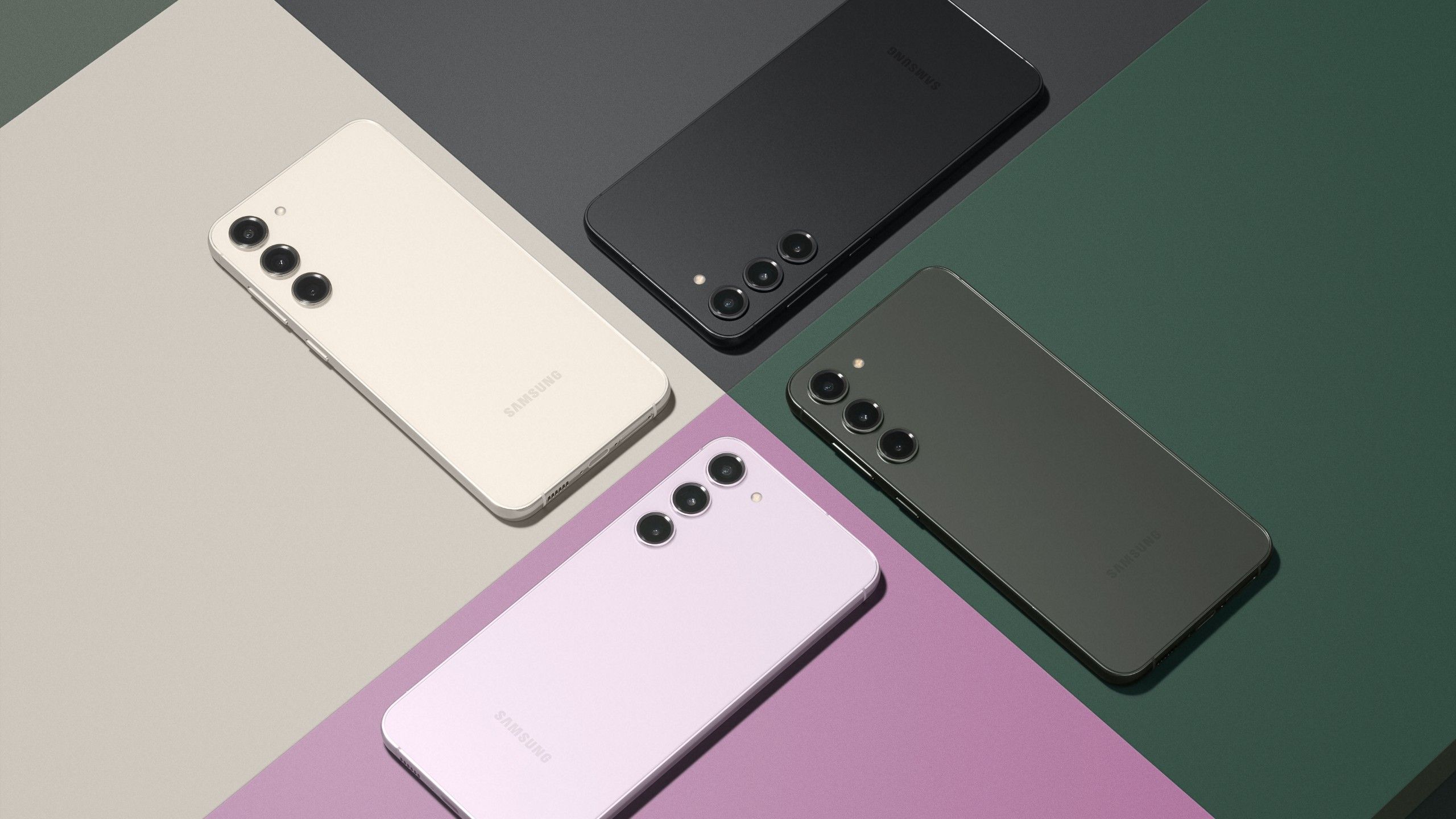
Choosing a compact smartphone used to be simple, but aging flagships complicate the decision. If you are eyeing a pre-owned or discounted Samsung Galaxy S22, you want to know if its hardware still holds up against newer mid-range alternatives. Launched as a pocket-friendly powerhouse, this device faces real-world hurdles today, from battery drain to software support limits.
Right away, the verdict depends on your daily habits. If you need a device that easily lasts an entire day of heavy gaming without a top-up, look elsewhere. But if you want premium build materials, a bright 120Hz display, and a capable camera for a fraction of its original price, keep reading.
Design and Display Quality
The physical construction remains one of the strongest arguments for keeping or buying this phone. Samsung used an Armor Aluminum frame paired with Gorilla Glass Victus+ on both sides, giving it a rigid, premium hand-feel that rivals current hardware. At 6.1 inches, the display size hits a sweet spot for single-handed navigation—a rarity in a market dominated by massive 6.7-inch slabs.
The Dynamic AMOLED 2X panel delivers deep blacks, vivid colors, and high peak brightness levels that remain easily legible under direct sunlight. Its adaptive refresh rate scales smoothly from 48Hz up to 120Hz during fast scrolling, dropping lower when static to conserve power. If you dislike oversized phones that stretch your pockets, this form factor remains exceptionally comfortable.
Performance and Daily Speed
Under the hood, regional variants split between the Qualcomm Snapdragon 8 Gen 1 and the Exynos 2200, both paired with 8GB of RAM. For standard everyday tasks like web browsing, social media feeds, messaging, and multitasking, the phone remains responsive and fluid.
However, thermal management is a known weak point. The original chipsets run hot under sustained loads. For example, if you record 4K video for extended periods or play graphically demanding 3D games, you will notice the back getting warm, which triggers thermal throttling to protect the internal components. This drops peak frame rates and dims screen brightness. Casual users will rarely notice this limitation, but mobile gamers should look toward newer processors.
Camera Reliability
The triple-lens array consists of a 50MP main sensor, a 12MP ultra-wide lens, and a 10MP telephoto lens featuring 3x optical zoom.
- Main Sensor: Delivers sharp, punchy photos with strong dynamic range in daylight, matching many mid-range phones released years later.
- Telephoto Lens: True 3x optical zoom sets this apart from cheaper budget handsets that rely entirely on low-quality digital crop zoom.
- Low Light: Night mode works effectively, though processing can sometimes introduce minor shutter lag or noise in extremely dark settings.
Video recording maxes out at crisp 8K, though 4K at 60 frames per second provides much more stable, reliable results for everyday sharing.
Battery Life Realities
Battery capacity is where the device shows its age most clearly. Equipped with a modest 3,700mAh battery, the phone was never a multi-day champion. After a couple of years of chemical aging, original units often struggle to reach the late afternoon without a top-up.
Screen-on time typically hovers around four to five hours of mixed usage on older units. If you commute daily, use GPS navigation, or stream video constantly, you will need to keep a power bank or charger nearby. Turning off the 120Hz refresh rate or enabling power-saving modes helps, but it compromises the smooth visual experience that makes the phone enjoyable in the first place.
Software Support and Lifespan
Samsung's update policy has evolved, but older flagships face inevitable expiration dates. While security patches continue on a reduced schedule, major operating system upgrades are drawing to a close.
You can check official device lifecycle details directly through the Samsung Support Center to see how current security schedules apply to your specific regional model. Banking apps and modern security requirements will remain functional for quite some time, but future Android version features will bypass this hardware.
Common Mistakes to Avoid
- Buying low-tier storage blind: The base model offers 128GB, and because there is no microSD card slot for expansion, running out of space is permanent. Look for the 256GB variant if you record lots of video.
- Ignoring battery health: If purchasing a pre-owned unit, check the battery health status or factor in the cost of an official battery replacement from Samsung Service to restore reliable daily runtime.
- Expecting all AI suites: While basic software features run fine, hardware limitations mean newer generative artificial intelligence tools roll out selectively or not at all on this generation.
Frequently Asked Questions
Does the phone still get security updates?
Yes, Samsung provides periodic security patches, though updates arrive less frequently than they do for current flagship generations.
Can I replace the battery if it drains too fast?
Yes, certified repair centers can swap in a fresh battery, which instantly resolves the primary complaint of older units.
Is 8GB of RAM enough for multitasking?
For typical daily apps, social media switching, and split-screen browser use, 8GB remains completely sufficient.
How does it compare to modern mid-range phones?
It beats most mid-range devices in build quality, premium materials, and telephoto zoom capabilities, though modern mid-rangers often win on battery longevity and fresh software support.



