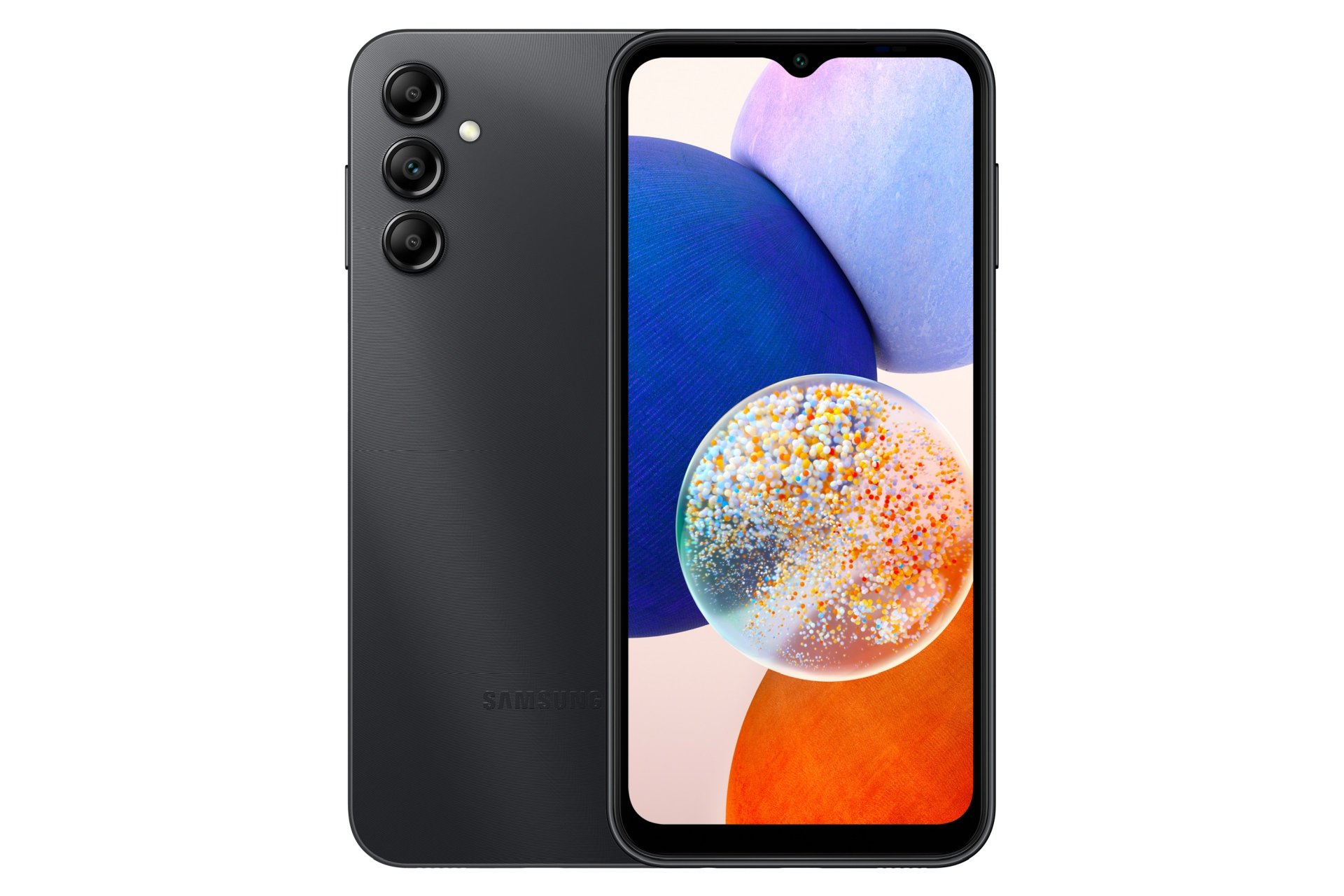
Choosing a mid-range phone used to mean accepting major compromises in build quality, camera stability, and software longevity. The Samsung Galaxy A35 shifts that baseline by packing flagship-inspired durability and an extended update lifecycle into a budget-friendly package. Powered by the Exynos 1380 processor and anchored by a bright 120Hz Super AMOLED screen, this device targets everyday users who want reliable performance without paying flagship prices.
Underneath its glass back lies a 5,000mAh battery, an IP67 water-resistance rating, and Samsung's Knox Vault security. While it faces stiff competition from brands like Google and Nothing, Samsung's commitment to four generations of OS upgrades gives it a distinct advantage for long-term ownership. If you're weighing whether this phone fits your daily workflow, understanding its core specifications helps clarify its real-world value.
Display and Design Build Quality
Samsung abandoned the outdated teardrop notch found on older models, outfitting the Galaxy A35 with a modern punch-hole cutout for the front camera. The device measures 161.7 x 78 x 8.2 mm and tips the scales at 209 grams. It features a glass back protected by unspecified glass and a front display shielded by Corning Gorilla Glass Victus+. The frame is constructed from matte plastic rather than aluminum, which keeps production costs down but lacks the premium cold-metal feel of the higher-end Galaxy A55.
The screen itself is a 6.6-inch Super AMOLED panel running at a crisp 1080 x 2340 resolution. With a 120Hz adaptive refresh rate, scrolling through social media or navigating the user interface feels fluid. Peak brightness hits 1,000 nits using High Brightness Mode (HBM), ensuring the screen remains legible under direct sunlight, though heavy glare can still occasionally pose a challenge outdoors.
Durability is a major selling point at this price tier. The inclusion of an IP67 dust and water resistance rating means the phone can survive accidental splashes, rain, or a brief submersion in fresh water up to one meter for thirty minutes.
Performance and Hardware Specifications
Driving the hardware is the 5nm Exynos 1380 octa-core chipset, paired with either 6GB or 8GB of RAM and storage configurations of 128GB or 256GB. For tasks like web browsing, checking email, and running productivity tools like Google Calendar, the phone handles transitions smoothly without stuttering.
Graphics are managed by the Mali-G68 MP5 GPU. Casual games run without issue, but graphic-heavy titles like Genshin Impact require lower settings to maintain a playable frame rate. Extended gaming sessions will cause the back panel to feel warm, though thermal throttling remains well-managed.
Storage expansion is handled via a hybrid microSD slot that accepts cards up to 1TB. Keep in mind that using a memory card means giving up the second SIM slot, as the tray only accommodates dual nano-SIMs or a single nano-SIM paired with micro-storage.
Camera System Capabilities
The rear camera array consists of three distinct lenses:
- A 50MP main sensor with an f/1.8 aperture, autofocus, and Optical Image Stabilization (OIS).
- An 8MP ultrawide lens with an f/2.2 aperture and a 123-degree field of view.
- A 5MP macro lens with an f/2.4 aperture.
The primary 50MP sensor leverages OIS to capture sharp, vibrant daylight photos with balanced dynamic range. Night photography benefits from software processing that brightens low-light scenes, though users may occasionally notice aggressive noise reduction. The ultrawide lens delivers acceptable shots in broad daylight, but image softness increases noticeably in dim environments.
For selfies, the front-facing 13MP camera handles skin tones well and supports 4K video recording at 30 frames per second. Rear video recording also tops out at 4K resolution, stabilized by gyro-electronic image stabilization (gyro-EIS) to minimize hand shake during movement.
Battery Life and Charging Speeds
A non-removable 5,000mAh battery powers the device, delivering solid endurance for standard daily routines. Under moderate use—including messaging, video streaming, and web browsing—the phone easily lasts a full day, often retaining a percentage for the following morning.
Charging is capped at 25W wired speeds. Because Samsung omits the wall adapter from the retail box, you'll need to supply a compatible USB-PD charger. Re-energizing the battery from empty to full takes roughly 80 to 90 minutes. Wireless charging is not supported at this price point.
Software Support and Security
Out of the box, the device runs Android 14 layered with Samsung's One UI 6.1 interface. Samsung provides a standout software commitment for this tier: four major Android operating system upgrades and five years of security patches. This longevity ensures the hardware remains secure and up-to-date years after purchase.
Security is further reinforced by Samsung Knox Vault, an EAL5+ certified hardware-based security solution that isolates sensitive data like PINs and passwords away from the main operating system.
Frequently Asked Questions
Is the Samsung Galaxy A35 waterproof?
It carries an IP67 rating, meaning it is dust-tight and can survive fresh-water immersion up to one meter for 30 minutes. It is not designed for beach use or swimming pools.
Does the phone include a charger in the box?
No. The retail packaging includes only a SIM ejector pin and a USB Type-C data cable. You must use an existing USB-PD brick or purchase one separately.
Can I expand the internal storage?
Yes. The hybrid SIM tray accepts a microSD card up to 1TB, though doing so prevents you from using a second nano-SIM card simultaneously.
How many software updates will it receive?
Samsung promises 4 generations of OS upgrades and 5 years of security maintenance updates from its launch date.


