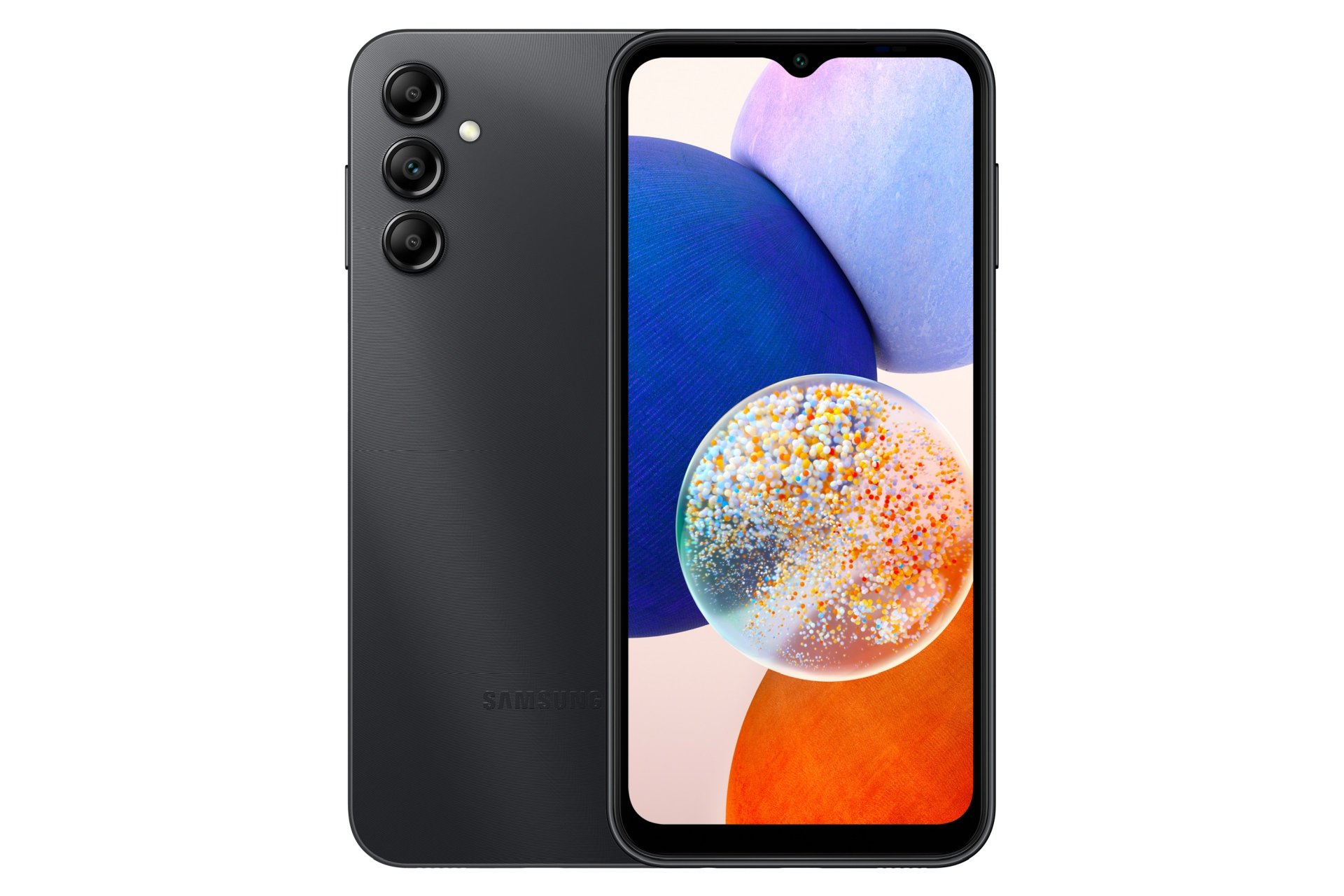
Finding a reliable smartphone under $200 used to mean accepting a washed-out screen, sluggish performance, and zero software updates past the first year. The Samsung Galaxy A16 shifts that equation. Released with an aggressive price point and an unprecedented update promise for an entry-level device, this phone aims directly at budget-conscious buyers who want longevity without paying flagship prices.
This review breaks down the actual hardware performance, display quality, battery life, camera capabilities, and long-term value of the Galaxy A16. Whether you're upgrading an older dying handset or shopping for a dependable secondary device, here is what you need to know about Samsung's budget contender.
Design and Display Quality
At first glance, the Galaxy A16 keeps things clean and minimal, following Samsung's modern aesthetic language. It measures 7.9 mm thick and weighs 200 grams, making it comfortable to hold despite its large footprint. However, the plastic back and frame pick up smudges and fingerprints easily, especially on darker colorways like Blue Black. You'll want to snap on a case right away.
The real star of the hardware build is the screen. Samsung equipped the phone with a 6.7-inch FHD+ Super AMOLED display running at a 90Hz refresh rate.
- Super AMOLED Tech: Deep blacks and high contrast make watching videos or scrolling through feeds vastly superior to the cheap LCD panels found on competing entry-level devices.
- 90Hz Fluidity: Animations feel much smoother than traditional 60Hz budget screens, though heavy system animations can occasionally stutter due to processor limits.
- Brightness Limitations: While indoor viewing is sharp and vibrant, outdoor visibility struggles under direct sunlight because peak brightness hovers around 800 nits.
The device also introduces an IP54 rating for dust and water splash resistance, providing basic protection against accidental spills or light rain—a feature often omitted at this price point.
Performance and Hardware Specs
Under the hood, performance varies slightly depending on whether you pick up the 4G or 5G model. The 5G variant relies on the Exynos 1330 processor, paired with configurations starting at 4GB of RAM and 128GB of internal storage.
For everyday tasks like messaging, web browsing, streaming YouTube, and running social media apps, the Galaxy A16 handles itself well. You won't experience major roadblocks during light daily multitasking.
However, expectations need management regarding heavy loads:
- Gaming Limitations: Graphics-intensive 3D titles will force lower settings, and prolonged gaming sessions cause thermal throttling.
- RAM Bottlenecks: The entry-level 4GB RAM configuration means background apps will close frequently if you jump rapidly between resource-heavy software.
- Storage Expansion: Fortunately, Samsung includes a microSD card slot supporting up to 1.5TB, letting you expand media storage easily.
For more details on mobile hardware benchmarks, you can check technical overviews on GSMArena.
Camera Performance
The rear camera array consists of a 50MP main sensor, a 5MP ultrawide lens, and a 2MP macro sensor. A 13MP front-facing camera handles selfies.
- Daylight Shots: In good lighting, the 50MP main camera captures sharp, vibrant photos with decent dynamic range that look great on social media.
- Ultrawide & Macro: The 5MP ultrawide provides extra framing flexibility, though it loses fine detail at the edges. The 2MP macro lens is mostly a nominal addition with limited practical use.
- Low-Light Struggles: Night photography reveals the budget nature of the sensors. Expect noticeable noise, soft details, and slower shutter processing in dark environments.
Battery Life and Charging Speeds
Battery endurance is one of the strongest arguments for buying this phone. Packed with a 5,000mAh battery, the Galaxy A16 easily clears a full day of mixed use, often stretching well into a second day for light users. In standardized testing, active use scores routinely exceed 14 hours.
Charging speed is less impressive. The phone supports 25W wired charging, but Samsung doesn't include a wall brick in the box. Recharging from zero to full takes over an hour and a half, and there is no wireless charging support.
Software Support and Longevity
The single most disruptive feature of the Galaxy A16 isn't its processor or its screen—it's Samsung's update policy. Samsung promises six generations of Android OS upgrades alongside six years of security maintenance.
At an entry-level price point near $150 to $199, receiving software support that stretches deep into the decade is unheard of. It ensures the phone stays secure and runs modern applications long after competing budget phones have been abandoned by their manufacturers. To explore official software ecosystems and updates further, visit Samsung Official Site.
Common Mistakes to Avoid
- Buying the 4GB RAM model for heavy multitasking: If you keep dozens of browser tabs and heavy apps open simultaneously, spend a little extra for a higher RAM configuration to avoid stuttering.
- Expecting flagship gaming: Trying to max out graphics settings on demanding mobile games will result in frame drops and rapid battery drain.
- Forgetting a protective case: The glossy plastic back scratches easily and picks up fingerprint smudges within minutes of unboxing.
Frequently Asked Questions
Does the Samsung Galaxy A16 come with a charger in the box?
No. Samsung includes a USB-C cable and a SIM ejector tool, but you will need to supply your own 25W USB-PD charging brick or purchase one separately.
Is the Galaxy A16 waterproof?
It features an IP54 rating, meaning it is dust-protected and safe against light water splashes. However, it is not fully waterproof and should never be submerged in water.
Can I expand the storage capacity?
Yes. The phone includes a microSD card slot that supports expandable storage up to 1.5TB, letting you store plenty of local photos, music, and videos.
How long will Samsung support this phone with updates?
Samsung commits to providing six major Android operating system upgrades and six years of security patches, making it one of the most future-proof budget devices available.


