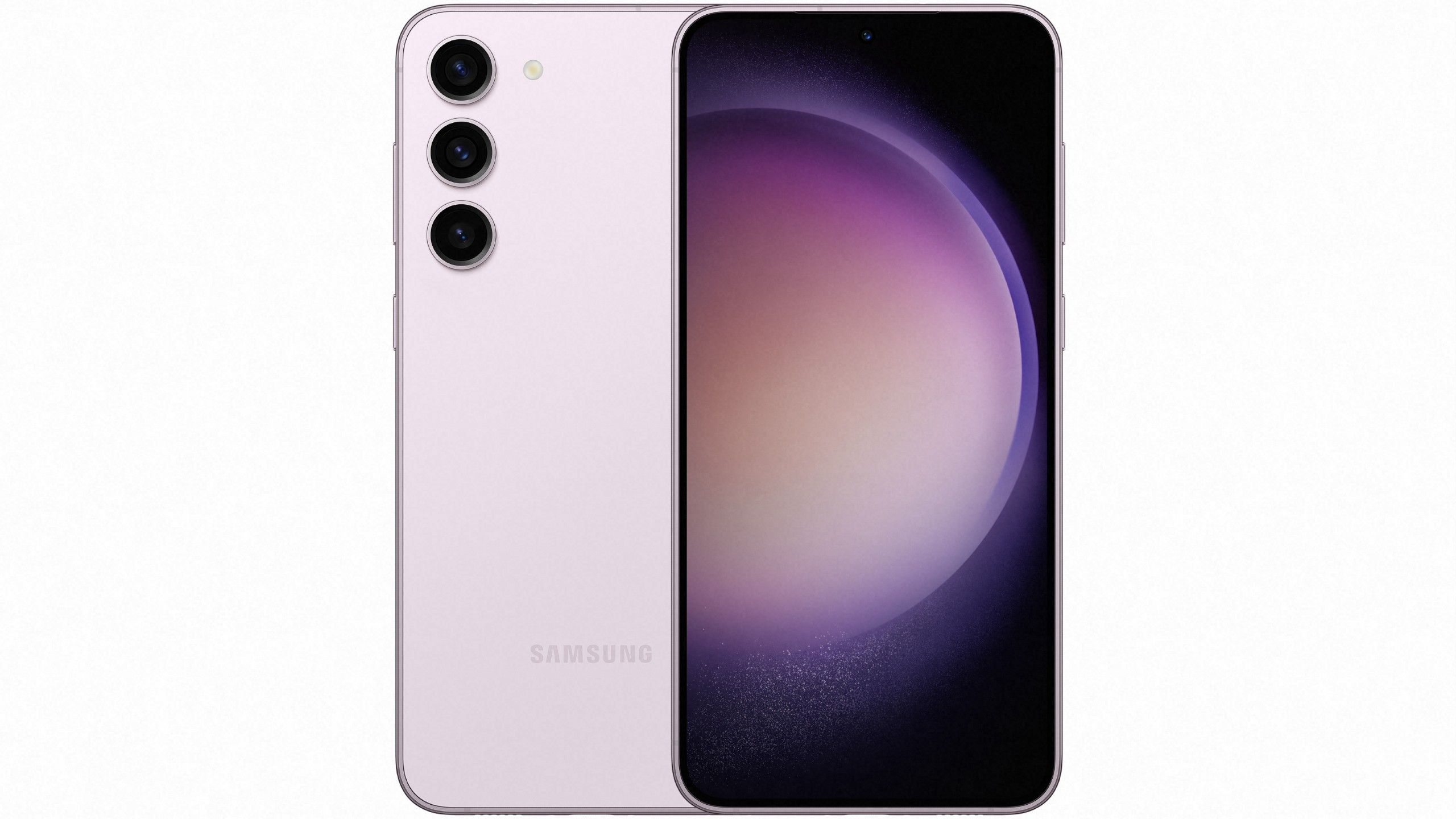
Samsung Electronics Philippines Corporation operates as a primary subsidiary of the global technology giant, managing consumer electronics, mobile devices, and digital appliances across the archipelago. Established formally in March 1996 with its headquarters located in Taguig City, the organization drives one of the most visible technology footprints in Southeast Asia.
Understanding how this corporate arm functions requires looking beyond basic retail storefronts. Samsung integrates hardware ecosystems, local distribution networks, and dedicated customer service frameworks to maintain a dominant market share in the Philippines.
Corporate Structure and Local Footprint
Headquartered at McKinley Hill Cyberpark in Taguig City, Samsung Electronics Philippines Corporation oversees a vast network of authorized dealers, brand stores, and service centers. The local subsidiary coordinates several distinct business units:
- Mobile Experience (MX): Manages smartphones, tablets, and wearable ecosystems, ranging from mass-market Galaxy A-series devices to premium foldable flagships.
- Visual Display and Digital Appliances: Handles smart televisions, refrigerators, washing machines, and air conditioning units tailored for tropical home environments.
- Enterprise Solutions: Provides B2B technology infrastructure, commercial display screens, and digital signage for local businesses and institutions.
Unlike manufacturing-focused entities like Samsung Electro-Mechanics Philippines in Laguna, the Taguig-based sales and marketing hub focuses heavily on consumer engagement, retail partnerships, and regional market strategy.
Market Position and Consumer Impact
The Philippine consumer electronics market is fiercely competitive, featuring aggressive pricing models from Chinese smartphone brands and legacy competition from Japanese appliance makers. Samsung maintains its competitive edge through aggressive ecosystem integration and robust after-sales support.
By linking smartphones, smart home appliances, and wearable technology through the SmartThings platform, the company encourages users to stay within a single hardware ecosystem. Local retail strategies heavily feature trade-in programs, zero-installment credit card partnerships, and localized promotional bundles tailored around major shopping seasons like the country's famously extended holiday months.
Distribution and Retail Channels
Getting hardware into the hands of millions of Filipino consumers requires a multi-layered distribution strategy. Samsung operates through several key channels:
- Brand Experience Stores: Flagship brick-and-mortar locations in major shopping malls that allow consumers to test high-end devices and smart home setups physically.
- E-Commerce Partnerships: Direct digital storefronts on major regional platforms alongside an official online shop featuring exclusive regional discounts.
- Telecom Operators: Strategic bundling agreements with major local telecommunications providers like Globe Telecom and Smart Communications for postpaid device plans.
Customer Service Infrastructure
A critical pillar of Samsung's longevity in the Philippines is its dedicated service network. Authorized service centers and drop-off points are distributed across Metro Manila and major provincial hubs in Luzon, Visayas, and Mindanao.
Services range from standard hardware repairs to dedicated customer support hotlines and digital diagnostic tools accessible via the Samsung Members application. This localized support infrastructure mitigates consumer hesitation regarding high-end technology investments.
Corporate Social Responsibility and Local Initiatives
Beyond commercial sales, the local subsidiary implements several corporate citizenship programs aligned with the global "Enabling People" vision. These initiatives focus primarily on educational programs, youth tech training partnerships, and community support during regional natural calamities, reinforcing the brand's integration into the local social fabric.
You can read more about global corporate milestones on the Samsung Newsroom.
Frequently Asked Questions
When was Samsung Electronics Philippines established?
The company was officially established on March 7, 1996, and has maintained its primary corporate headquarters in Taguig City.
What are the main product lines sold by Samsung in the Philippines?
The local lineup includes Galaxy smartphones, tablets, smart televisions, refrigerators, washing machines, air conditioners, and various home entertainment audio systems.
Where is the main headquarters located?
The corporate office is situated at Science Hub Tower 4 in McKinley Hill Cyberpark, Taguig City, Metro Manila.
Does Samsung manufacture products directly within the Philippines?
While Samsung Electronics Philippines focuses primarily on sales, marketing, and distribution, related entities like Samsung Electro-Mechanics operate manufacturing facilities focused on electronic components in locations such as Laguna.


