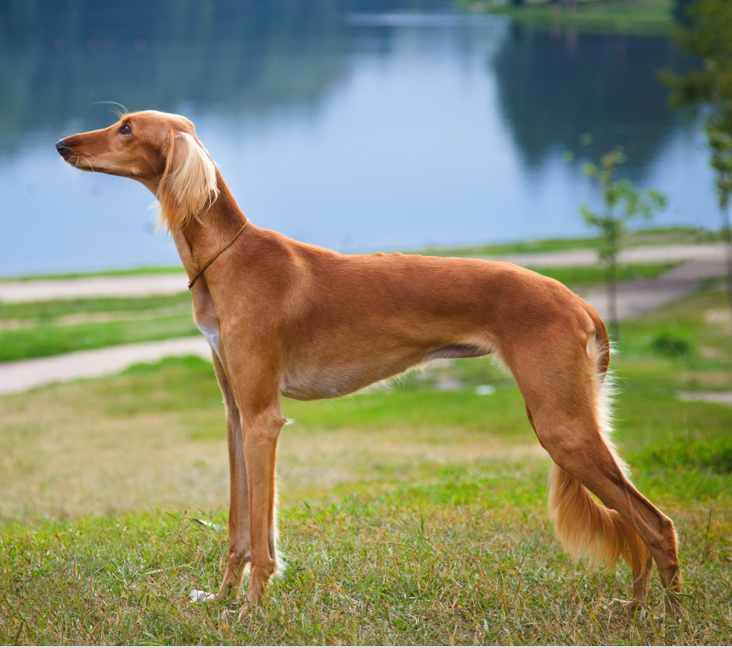
The Saluki stands as one of the oldest domesticated dog breeds in human history, historically prized across the Fertile Crescent for endurance and lightning-fast speed. Unlike modern guard or working dogs, these aristocratic sighthounds were bred to hunt independently alongside nomadic tribes, tracking game over harsh desert terrain. Today, they transition from elite sprinters to quiet, couch-dwelling companions inside modern homes, though they retain distinct sensitivities and high exercise thresholds that catch many first-time owners off guard.
Origins and Heritage
Centuries before modern kennel clubs drafted official standards, ancestors of the Saluki roamed the ancient Middle East, appearing on Egyptian tombs, Sumerian pottery, and Persian mosaics. Tribes in regions spanning modern-day Egypt, Iran, and Iraq valued these hounds so deeply that they were often treated as members of the family rather than mere working tools. Unlike scent hounds that rely on tracking tracks by nose, Salukis spot movement from great distances and utilize acute eyesight and raw velocity—reaching speeds up to 40 miles per hour—to overtake prey.
This deep desert history shaped their unique physical architecture. Their deep chests accommodate large lung capacity for extended endurance, while flexible spines and long legs provide exceptional shock absorption during high-speed sprints. Despite this fierce athletic background, they developed a calm, reserved demeanor, spending long hours resting inside tents alongside their human guardians, which explains their distinct split personality today: intense outdoor athletes paired with indoor couch potatoes.
Physical Traits and Appearance
Salukis present an unmistakable silhouette of aerodynamic elegance. Standing between 23 and 28 inches tall at the shoulder and typically weighing 40 to 65 pounds, they combine slender muscle mass with fine-boned frames. Additional reporting by Bloomberg explores similar perspectives on the subject.
- Coat Varieties: They come in two distinct coat types: smooth (short-haired) and feathered. Feathered Salukis feature silky, longer hair framing their ears, the backs of their legs, and their tails. Smooth variants lack this feathering.
- Colors: Their coats display a wide palette, including white, cream, fawn, golden, red, grizzle, and tricolor.
- Facial Features: They feature long, narrow muzzles, dark or liver-colored noses, and large, soulful, expressive eyes that convey high intelligence.
- Tail: Their long tail carries a graceful curve, finished with a soft, feathery plume on the underside.
Temperament and Living Dynamics
Owning a Saluki requires understanding a psychology governed by independent thinking and emotional sensitivity. They aren't traditional people-pleasers like Labradors; instead, they operate with a cat-like autonomy that respects mutual trust over blind obedience.
They bond intensely with their human families, often choosing a single primary favorite person. While they show polite indifference to strangers, they loathe being isolated for extended periods. Leaving a Saluki alone in an empty house for a standard workday often triggers severe separation anxiety or destructive boredom.
Because they possess a fragile, slender build and low body fat percentage, they prefer soft furniture over hard outdoor ground. They do best in quiet, predictable environments and generally find chaotic households with loud, fast-moving toddlers overwhelming.
Exercise and Training Realities
Managing a sighthound requires strict physical safety protocols. Because their predatory instinct is hardwired, letting a Saluki off-leash in an unfenced area invites disaster. If they spot a squirrel, rabbit, or neighborhood cat, their instinct overrides recall commands instantly.
- Secure Fencing: Any yard housing a Saluki needs secure fencing at least six feet high, as their powerful legs allow them to clear lower barriers.
- Daily Output: They need at least 60 to 90 minutes of daily exercise, combining steady leash walks with safe, enclosed sprinting opportunities.
- Training Approach: Standard repetitive obedience drills bore them quickly. Positive reinforcement, patience, and making games rewarding work best. Harsh corrections damage trust permanently.
Health Considerations and Routine Care
Salukis generally live a long, healthy life—frequently reaching 12 to 17 years of age. However, their unique physical structure exposes them to specific medical vulnerabilities that require attentive care from owners and veterinarians.
- Dental Vulnerability: They face a high genetic predisposition toward early dental disease. Regular tooth brushing multiple times a week is non-negotiable.
- Gastric Dilatation-Volvulus (GDV): Like other deep-chested breeds, Salukis face risks of bloat and stomach torsion. Avoid vigorous exercise immediately before and after meals.
- Cardiac and Orthopedic Risks: Conditions like dilated cardiomyopathy (DCM) and hip dysplasia occasionally occur. Ethical breeders perform cardiac and joint screenings before breeding.
- Temperature Sensitivity: Due to minimal body fat and thin coats, they struggle in freezing weather and require winter coats, while light-colored coats require sun protection during intense summer heat.
You can read more about canine care standards through the American Kennel Club or review veterinary guidelines via PetMD.
Frequently Asked Questions
Are Salukis good apartment dogs?
No. Despite their calm indoor behavior, their requirement for high-speed sprinting space and long daily exercise routines makes standard apartment living impractical unless owners commit to daily trips to fully enclosed sports fields or secure dog parks.
Do Salukis shed heavily?
No. Their coats produce minimal dander, and smooth varieties shed very little, while feathered varieties require occasional brushing around their ears and legs to prevent minor tangles. They are relatively clean dogs that lack heavy dog odors.
How do Salukis get along with cats?
Because of their extreme prey drive, co-housing a Saluki with cats or small indoor pets requires extreme caution. While some socialized individuals live peacefully with familiar indoor cats, unfamiliar small animals trigger an immediate chase response.
Why is training a Saluki difficult?
Their independent mindset stems from centuries of hunting independently without human micromanagement. They evaluate whether a command makes logical sense, meaning they require patient, relationship-based motivation rather than mechanical compliance.



