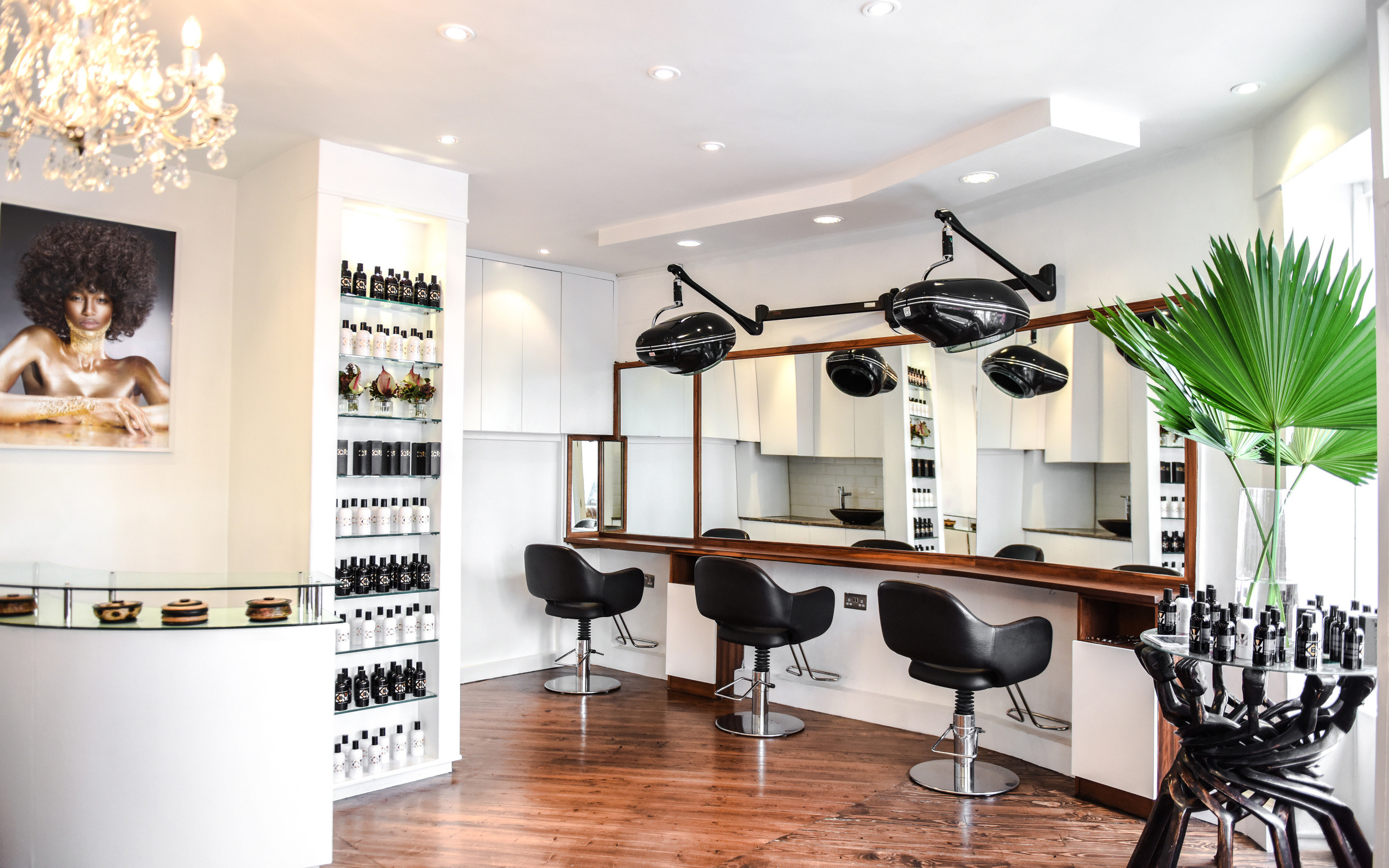
Confusing salon with saloon is an easy mistake to make. They look and sound nearly identical, sharing a common root word. Yet walking into a salon yields a completely different experience than walking into a saloon. One involves hair styling and art exhibitions, while the other involves swinging doors, frontier whiskey, and wooden bar counters.
Grasping the true difference between these terms requires looking at their distinct etymological paths, historical contexts, and modern applications.
Defining the Core Terms
At the root of the confusion is their shared heritage. Both words stem from the Italian salone, meaning a large hall or reception room, which itself derived from sala (hall). However, they diverged significantly as they entered the English language through different European influences.
A salon primarily functions as an establishment providing beauty, grooming, or wellness services, such as hair styling, manicures, and skincare. Historically, it also refers to a gathering of intellectuals, artists, and politicians hosted by a prominent individual to discuss philosophy, literature, and current events.
A saloon, by contrast, is a public drinking establishment or bar, particularly one associated with the American Old West. In British English, the word historically referred to a grand public room on a passenger ship or train, or a specific body style of an automobile (equivalent to a sedan), though the drinking establishment definition remains the most globally recognized.
The Intellectual and Artistic History of Salons
The modern beauty salon traces its lineage directly to the French literary and philosophical salons of the 17th and 18th centuries.
During the Enlightenment, influential figures—often women known as salonières, such as Madame Geoffrin—hosted regular gatherings in their private drawing rooms. Writers like Voltaire, Rousseau, and Diderot gathered in these spaces to debate new ideas away from state censorship.
Over time, the word evolved to describe curated exhibitions of fine art, most notably the Paris Salon sponsored by the Académie des Beaux-Arts. By the 20th century, the term shifted from high-culture intellectual circles to commercial establishments focused on personal grooming and aesthetic care, retaining an air of refinement and specialized service.
The Rough-and-Tumble Evolution of Saloons
While salons catered to the intellectual elite in European drawing rooms, saloons developed as working-class social hubs on the American frontier.
The American saloon emerged in the early 19th century as a place where weary travelers and local laborers could purchase and consume alcoholic beverages. Unlike eastern taverns, which often provided lodging and food alongside drinks, western saloons focused heavily on liquor, card games, and camaraderie.
- The Frontier Atmosphere: Immortalized in Western films, frontier saloons featured swinging batwing doors, long mahogany bars, pianos, and spittoons. They served as community centers, makeshift courtrooms, and employment agencies rolled into one.
- The Temperance Movement: Because saloons were frequently linked to rowdiness, prostitution, and political corruption, they became primary targets for the temperance movement, ultimately leading to Prohibition in the United States.
Key Differences at a Glance
- Etymological Path: Salon entered English directly from French, retaining associations with elegance, art, and personal care. Saloon developed largely as an American adaptation focusing on public drinking and socialization.
- Primary Function Today: A salon is a business for haircuts, spa treatments, or artistic showcases. A saloon is a historical term for a bar or tavern, rarely used for modern drinking establishments outside of themed venues.
- Cultural Connotation: Salons evoke quiet refinement, scheduled appointments, and wellness. Saloons evoke rowdy frontier history, social debate, and alcoholic drinks.
Common Misconceptions
People often stumble over these words due to typos, autocorrect failures, or phonetic similarities.
One major misconception is that a saloon is simply an old-fashioned spelling or regional variant of a hair salon. Typing "hair saloon" into a search engine often yields local barbershops that intentionally adopt a rustic aesthetic, but standard English dictionaries maintain a firm boundary between the two.
Another point of confusion involves automotive and nautical terminology. In the UK and Commonwealth nations, a car with a closed trunk and a fixed roof is called a saloon car (known as a sedan in North America), while a passenger ship's main lounge is also called a saloon. Neither of these uses has any connection to beauty treatments.
Frequently Asked Questions
Can a saloon ever refer to a hair styling business?
No. Standard English dictionaries define a saloon strictly as a public bar or drinking establishment. Using it for a hair business is considered a spelling error or an intentional themed choice, not a correct alternate definition.
Why do some modern bars call themselves saloons?
Establishments use the term "saloon" today primarily for nostalgic or thematic reasons. Restaurants and bars adopt the label to evoke the rustic charm and historic atmosphere of the American Old West.
Are salons and saloons pronounced the same way?
They are pronounced very similarly, with the main difference lying in the second syllable. Salon typically ends with a softer nasal "on" sound influenced by its French origins, while saloon clearly emphasizes the "oo" sound at the end.
Did French salons serve alcohol?
While refreshments and wine were sometimes served during intellectual gatherings, French salons were focused on conversation, literature, and art rather than drinking.



